| Featured | Work / |
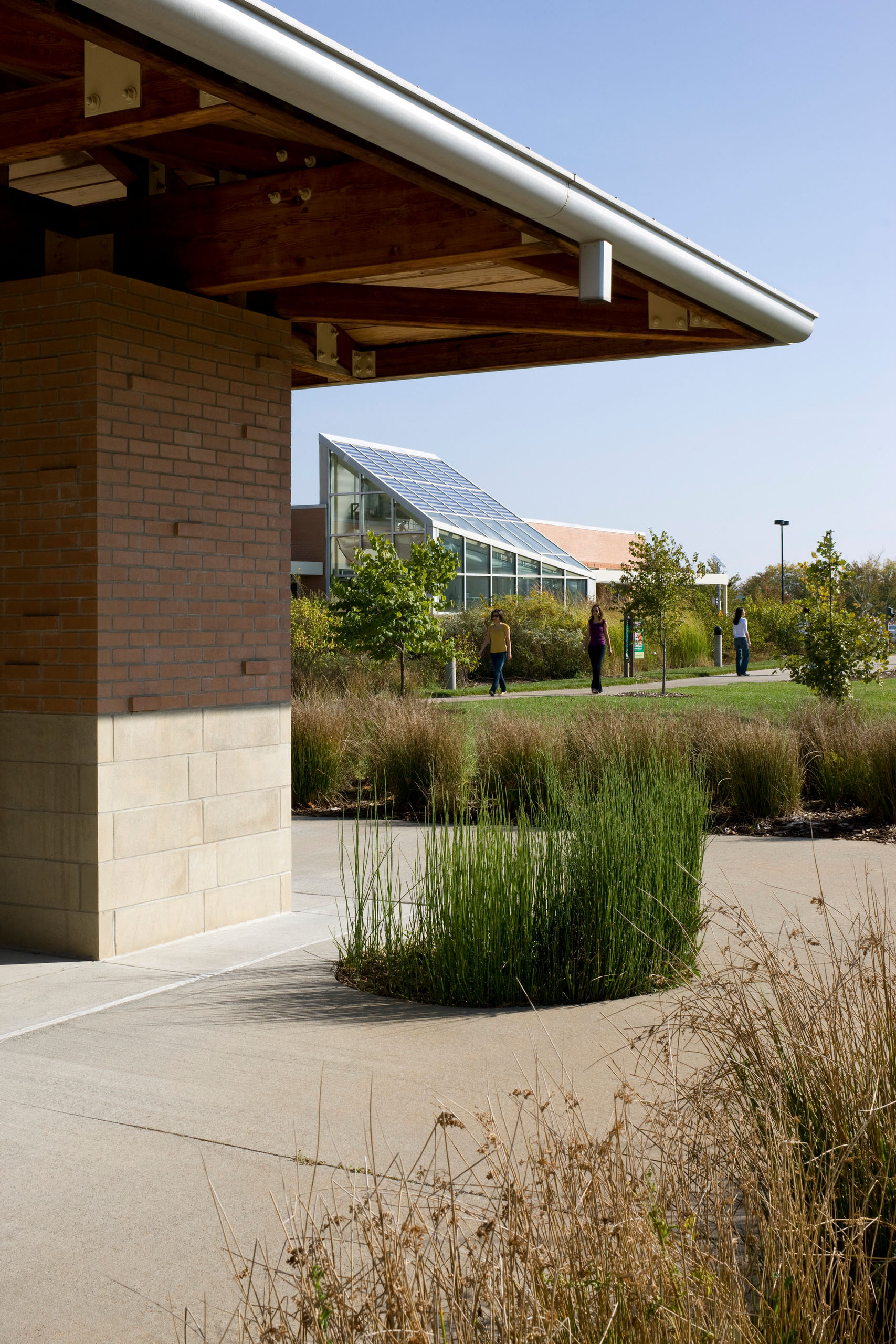
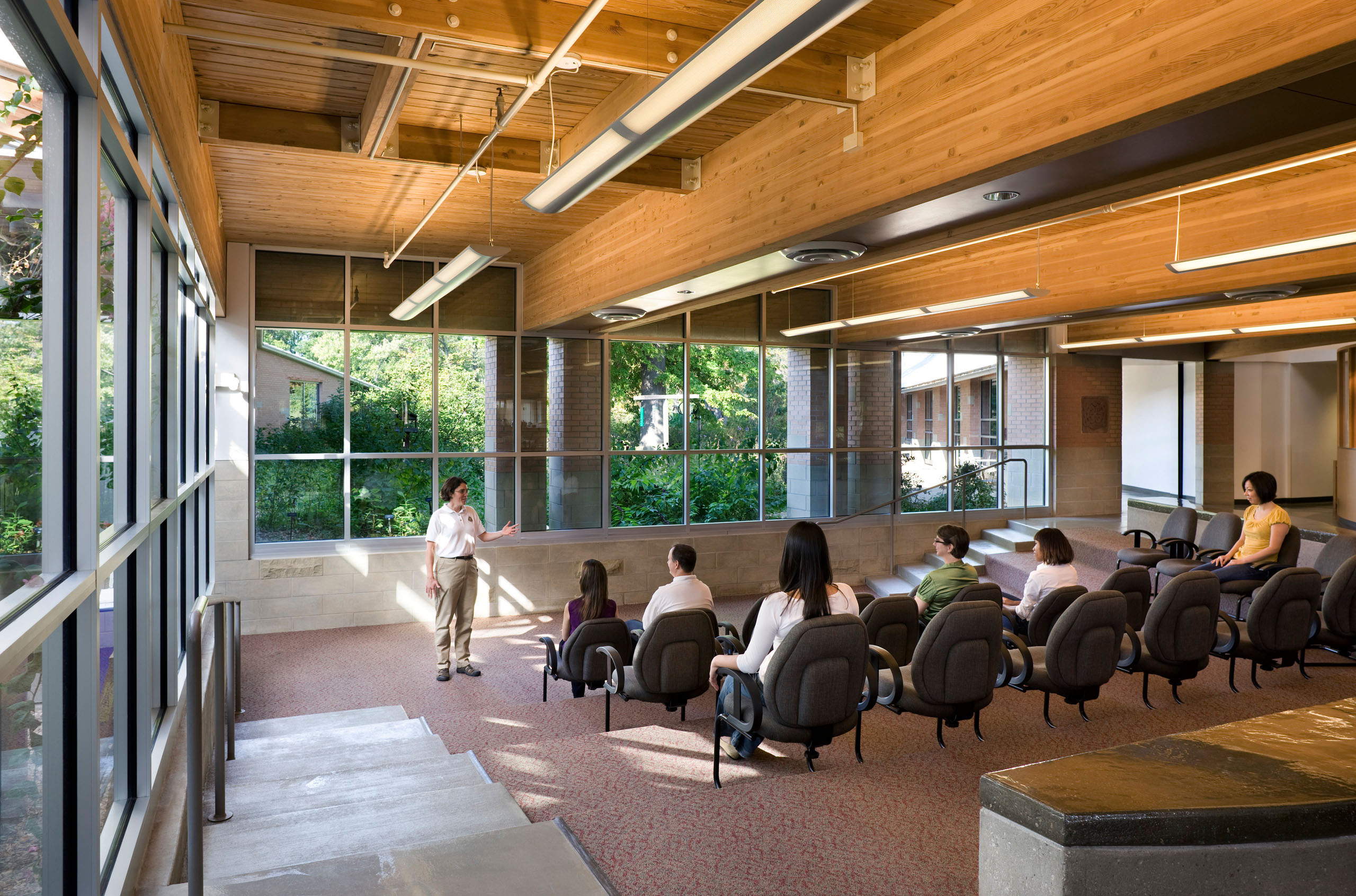
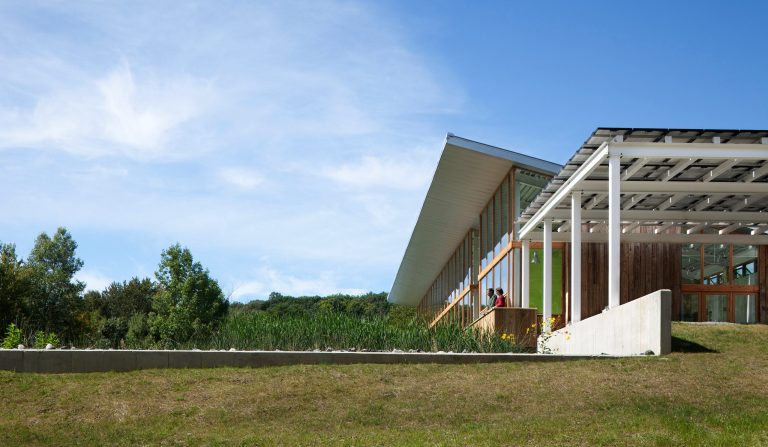
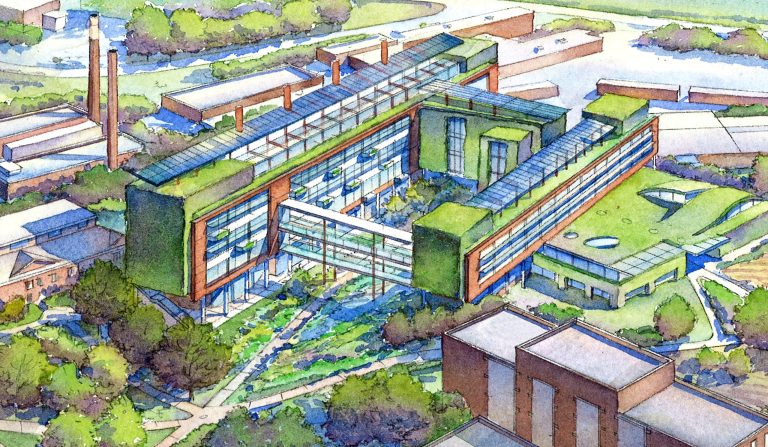
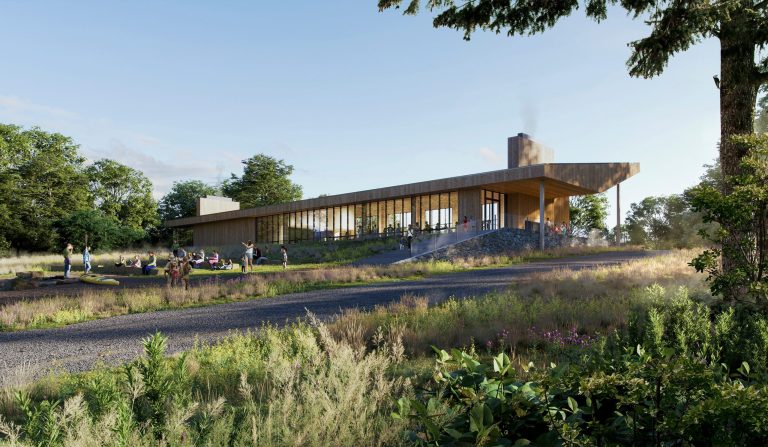
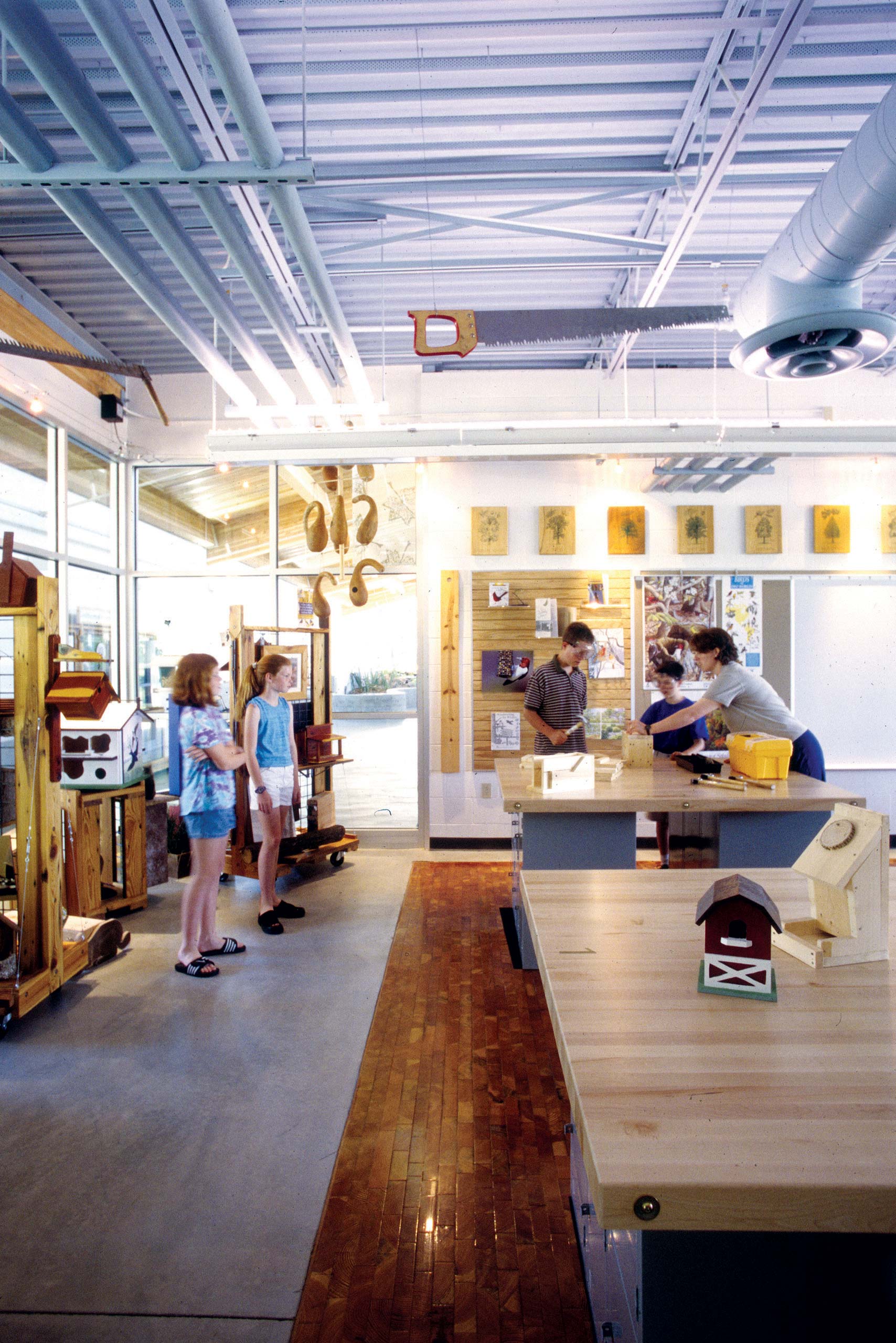
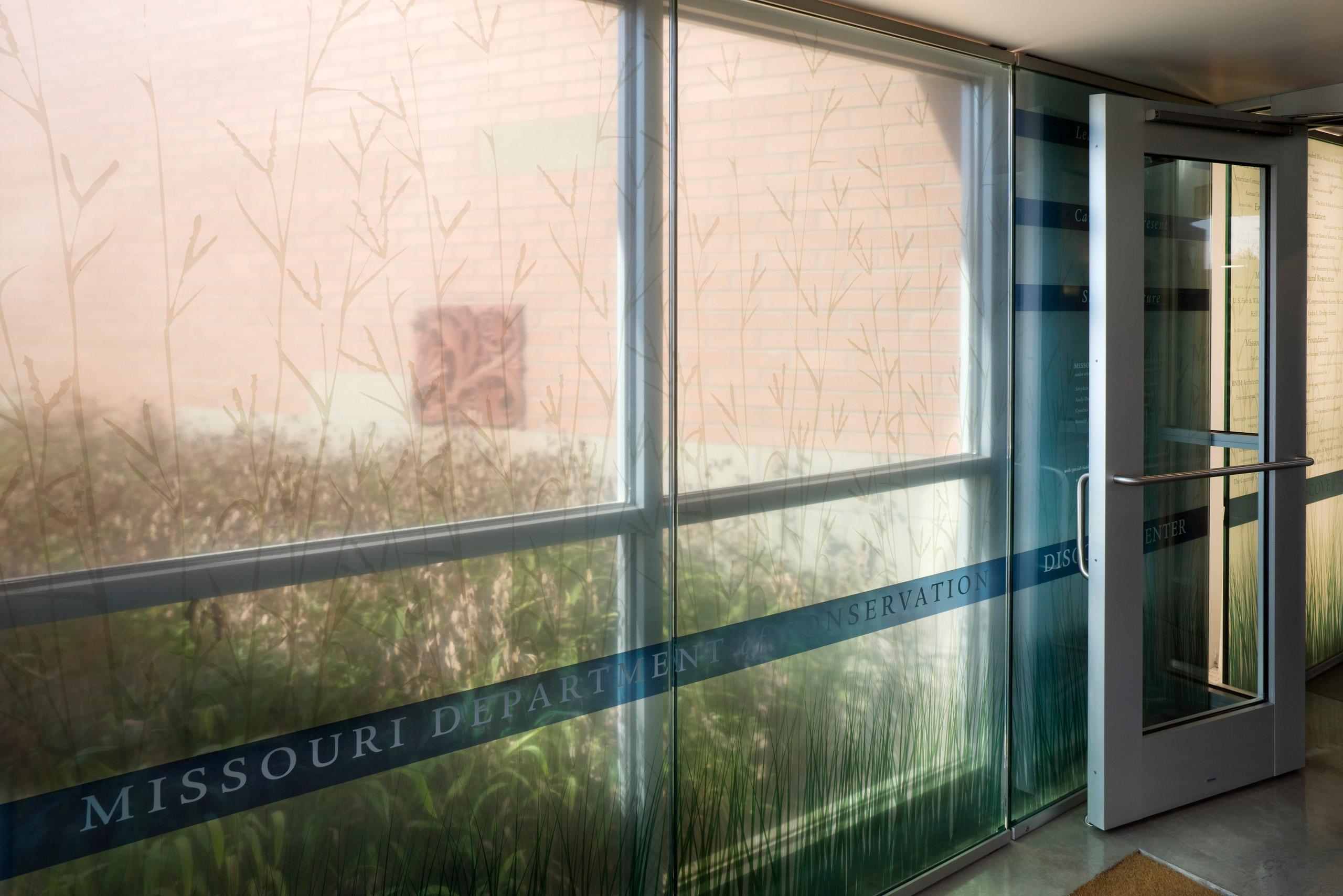
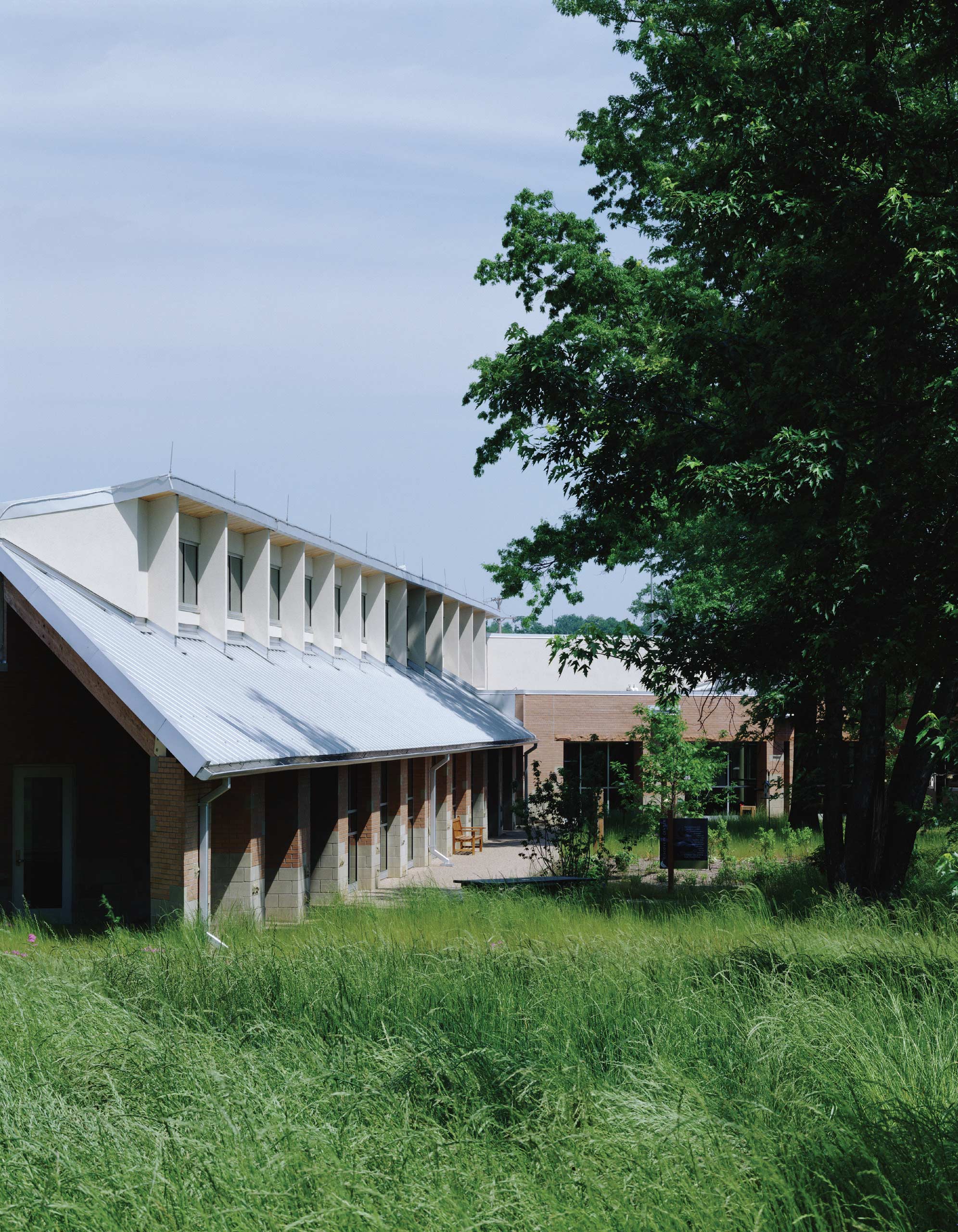
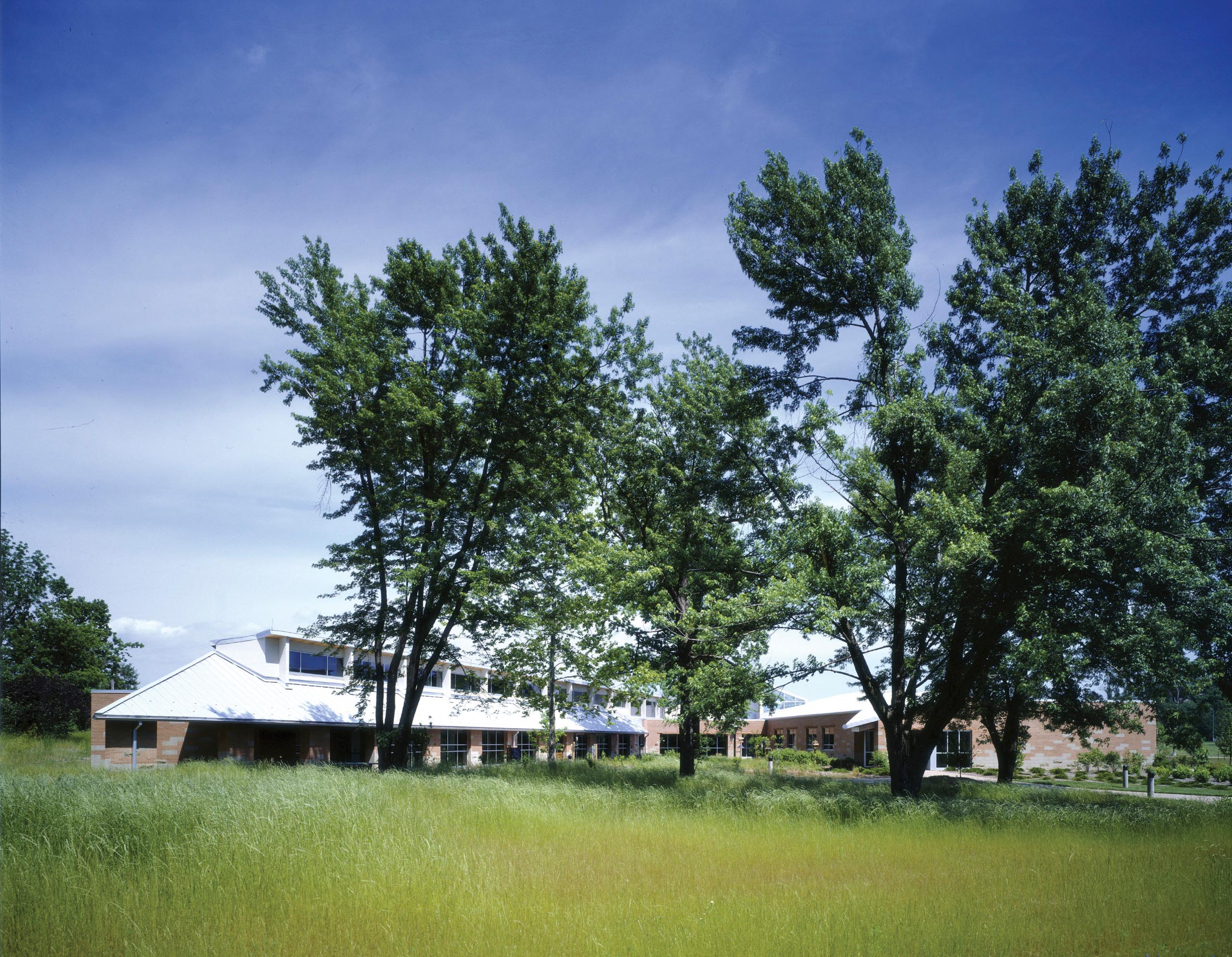
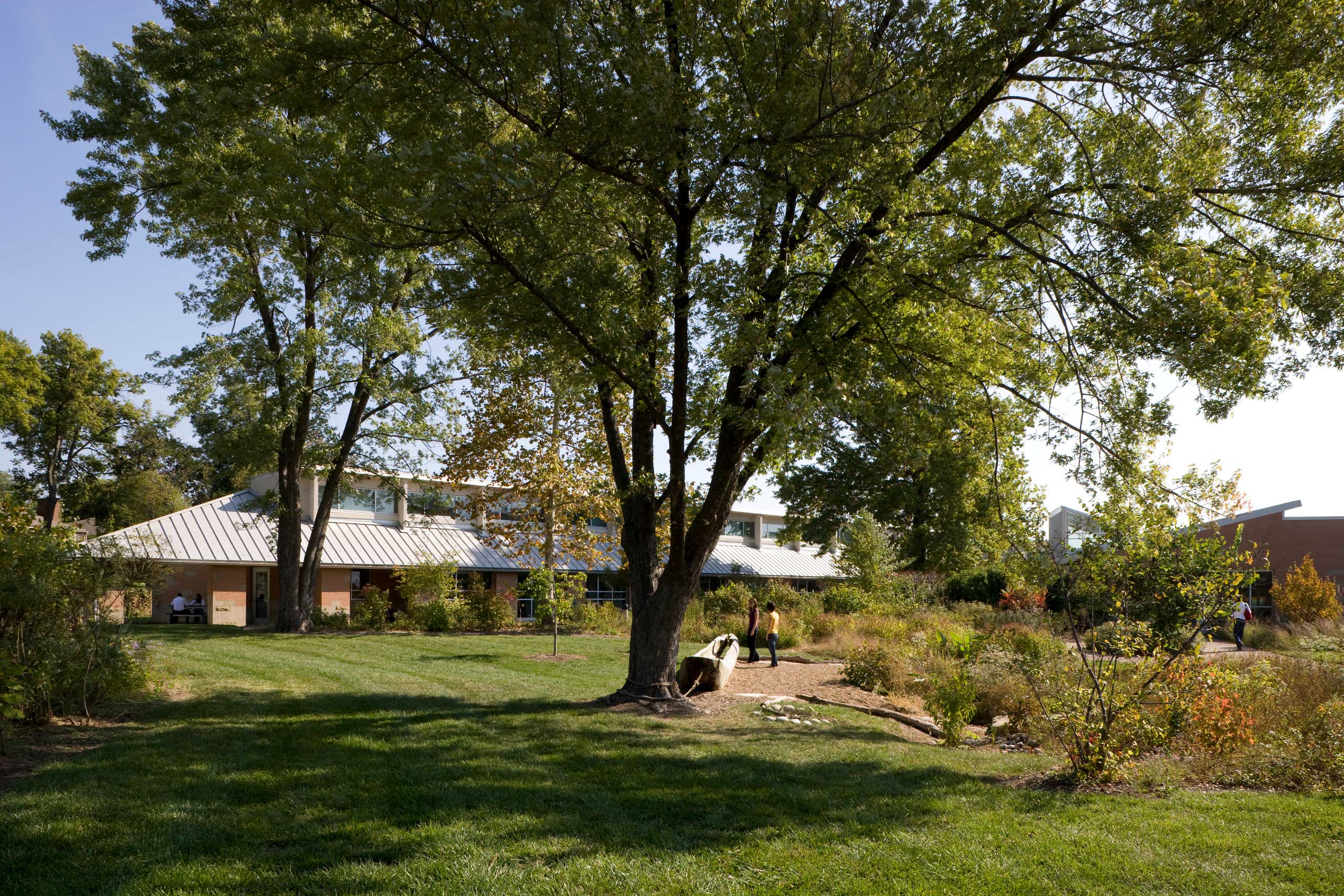
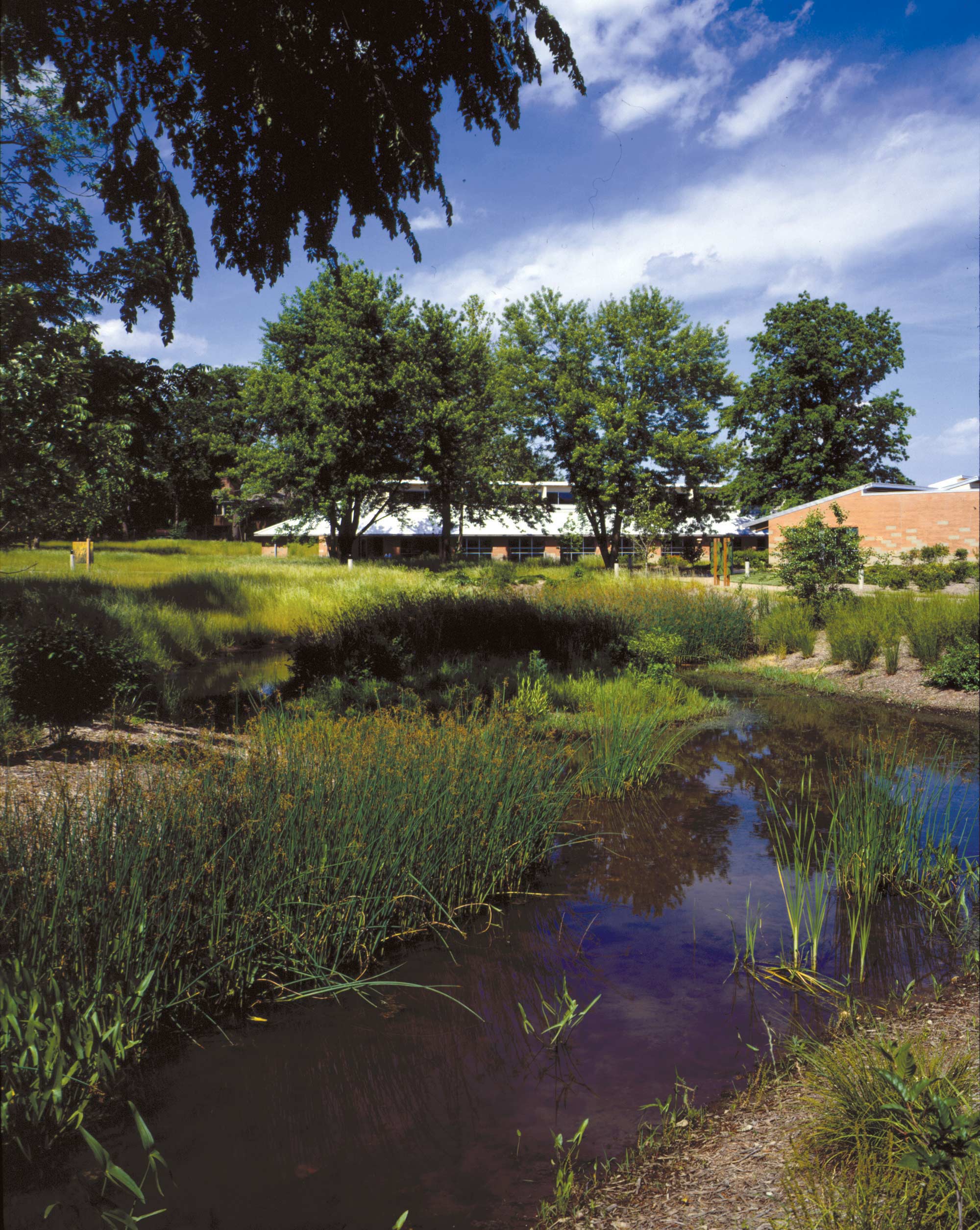
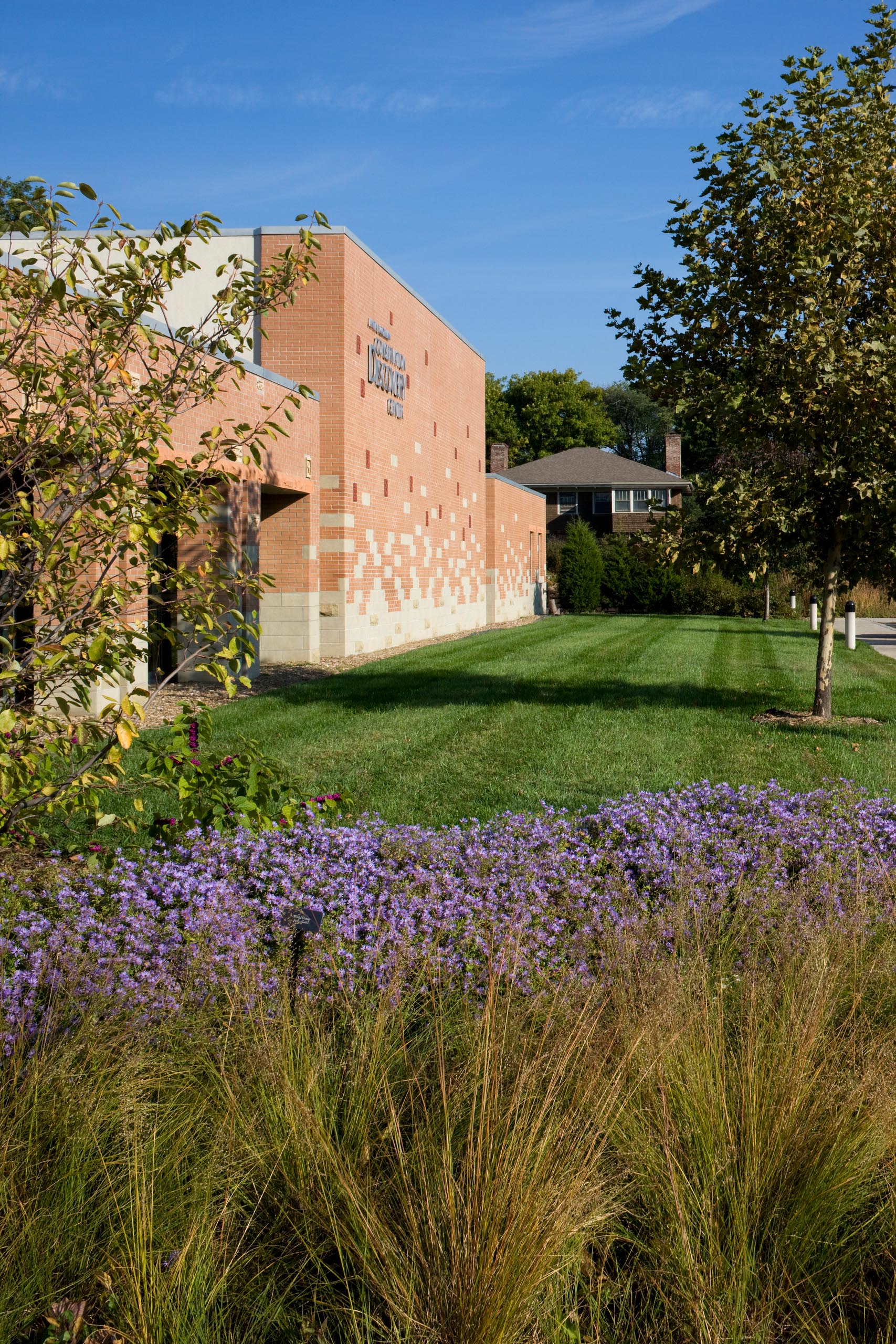
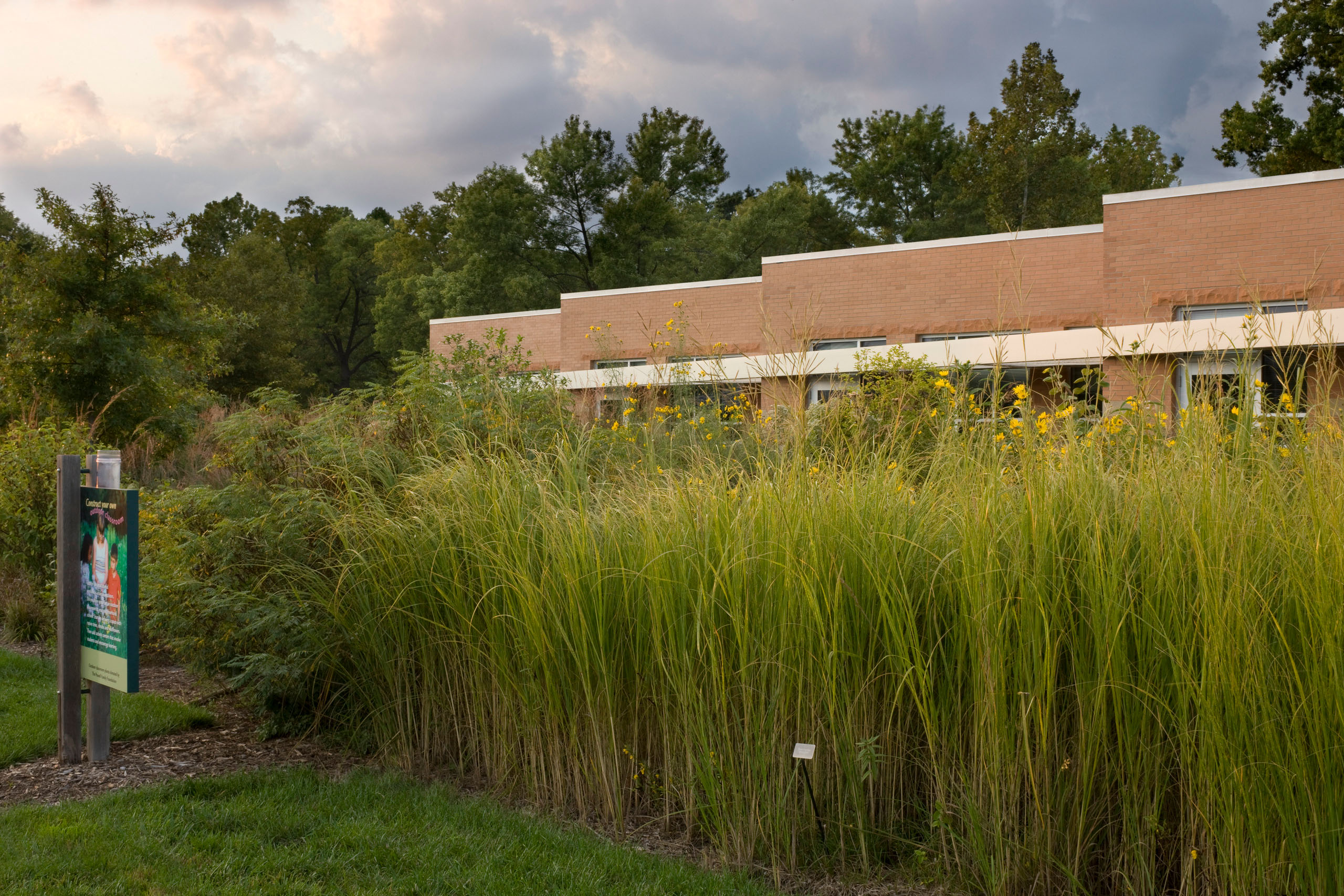
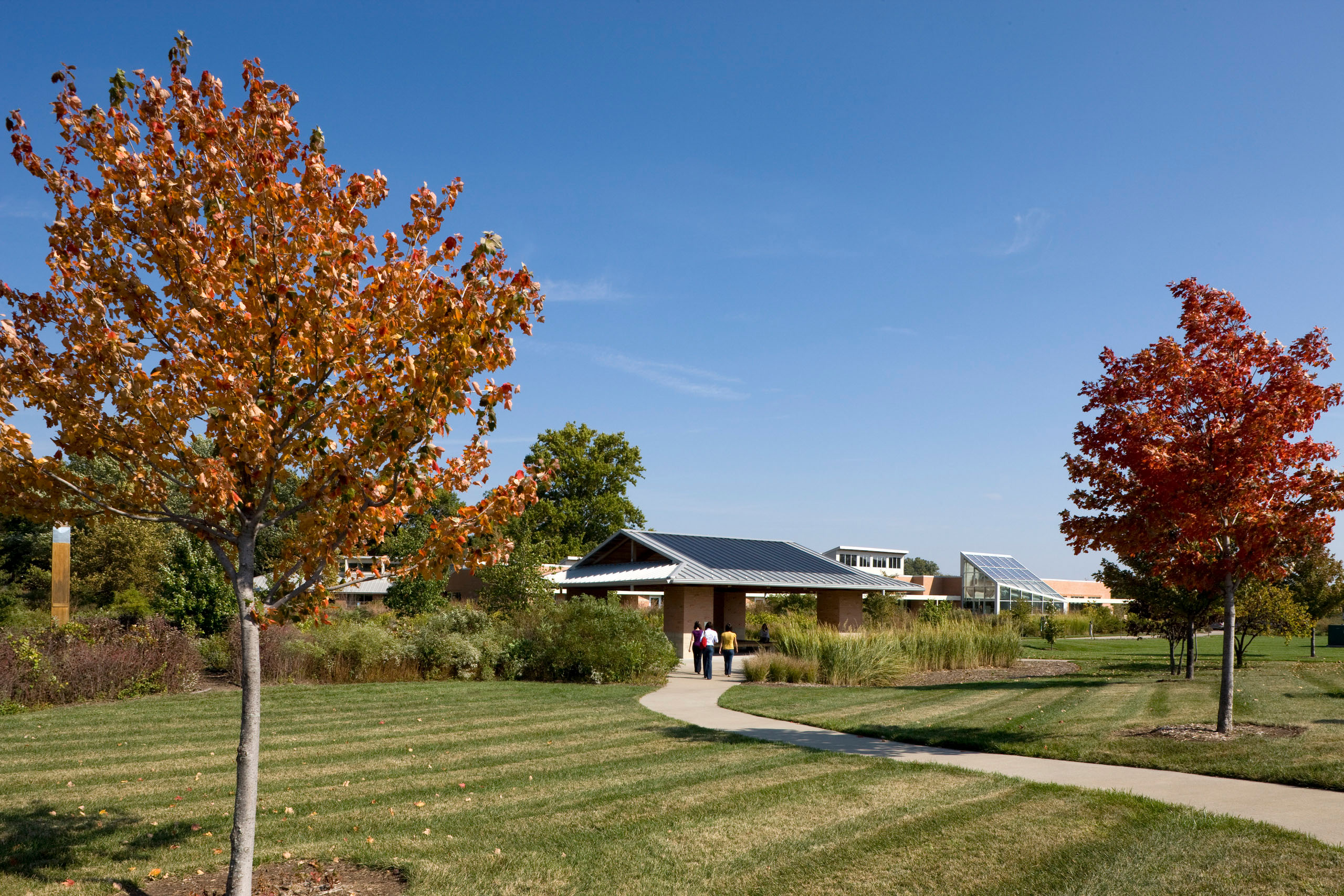
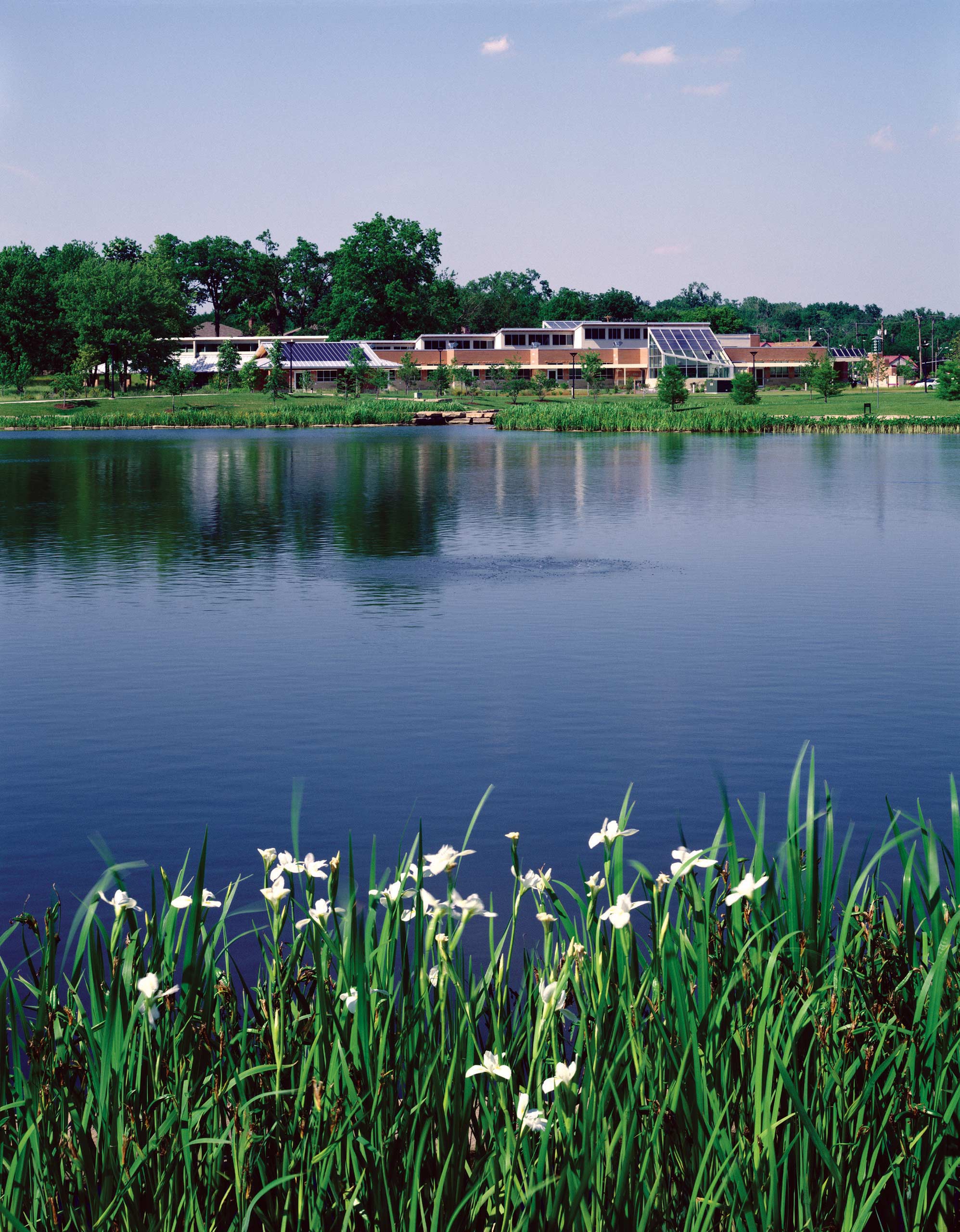
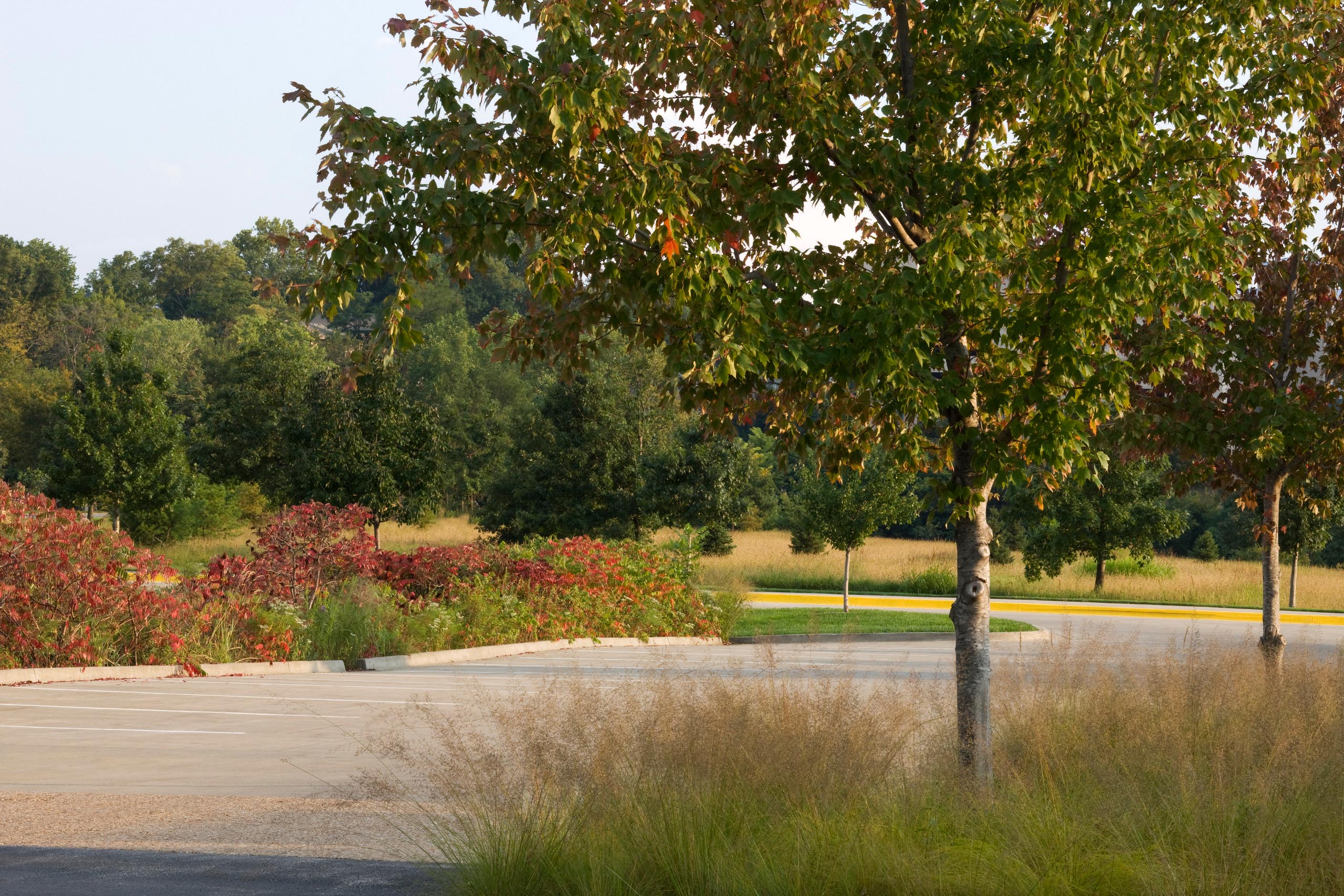
![]() Anita B. Gorman Conservation Discovery Center Educators with the Missouri Department of Conservation imagined a place in urban Kansas City where children could connect with their natural environment and where conservation services could be provided to an urban audience. The program for the facility on twelve acres of previously developed land was to accommodate six educational workshops that promoted conservation strategies, metro offices for the Department, as well as multiple-sized meeting spaces and a large 250-seat auditorium available to the community. The theme of discovery and rediscovery permeates the building and landscape as both become teaching tools unto themselves, with the building in particular mimicking natural processes to provide energy efficiently and handle its waste intelligently. | Anita B. Gorman Conservation Discovery Center |
|
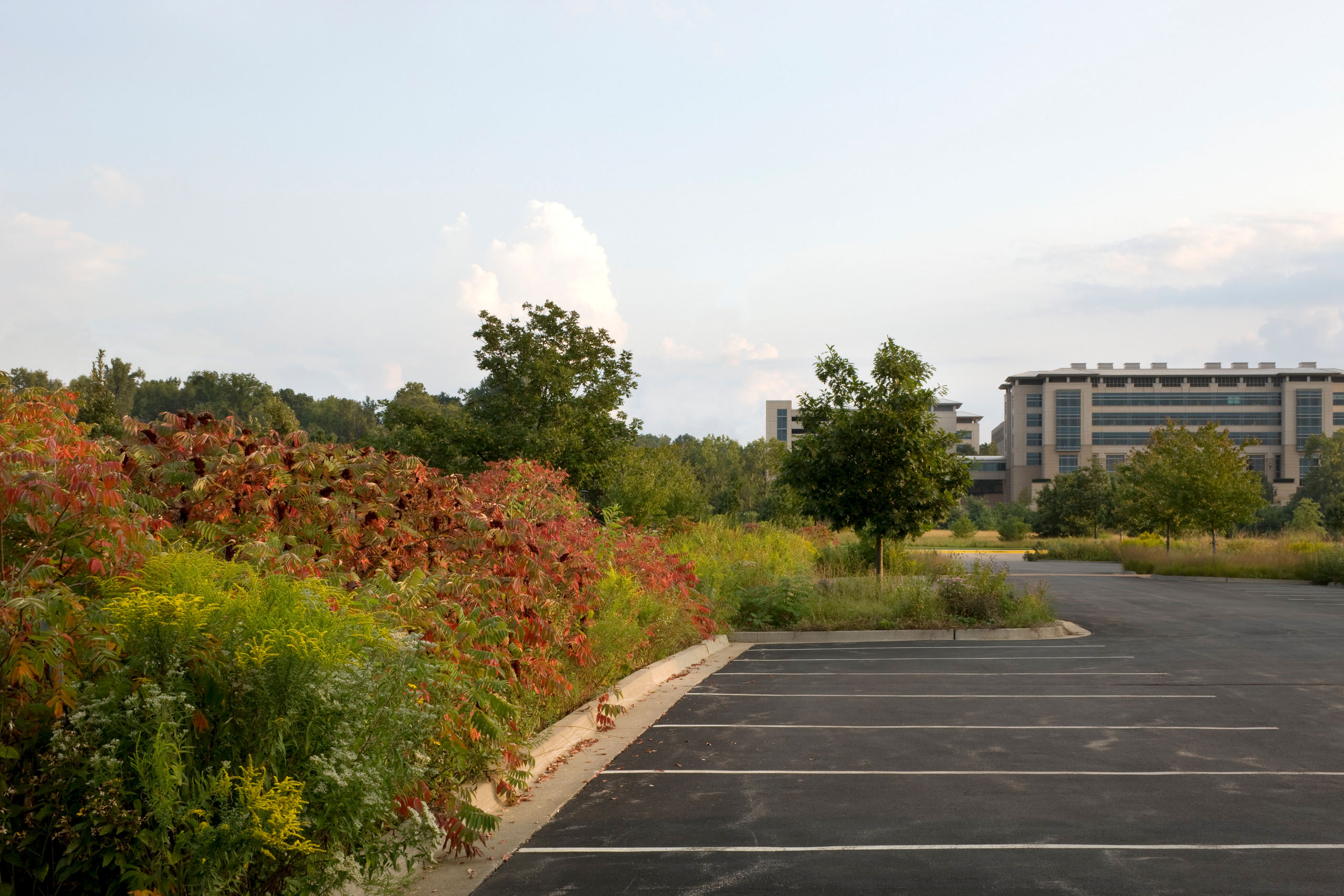
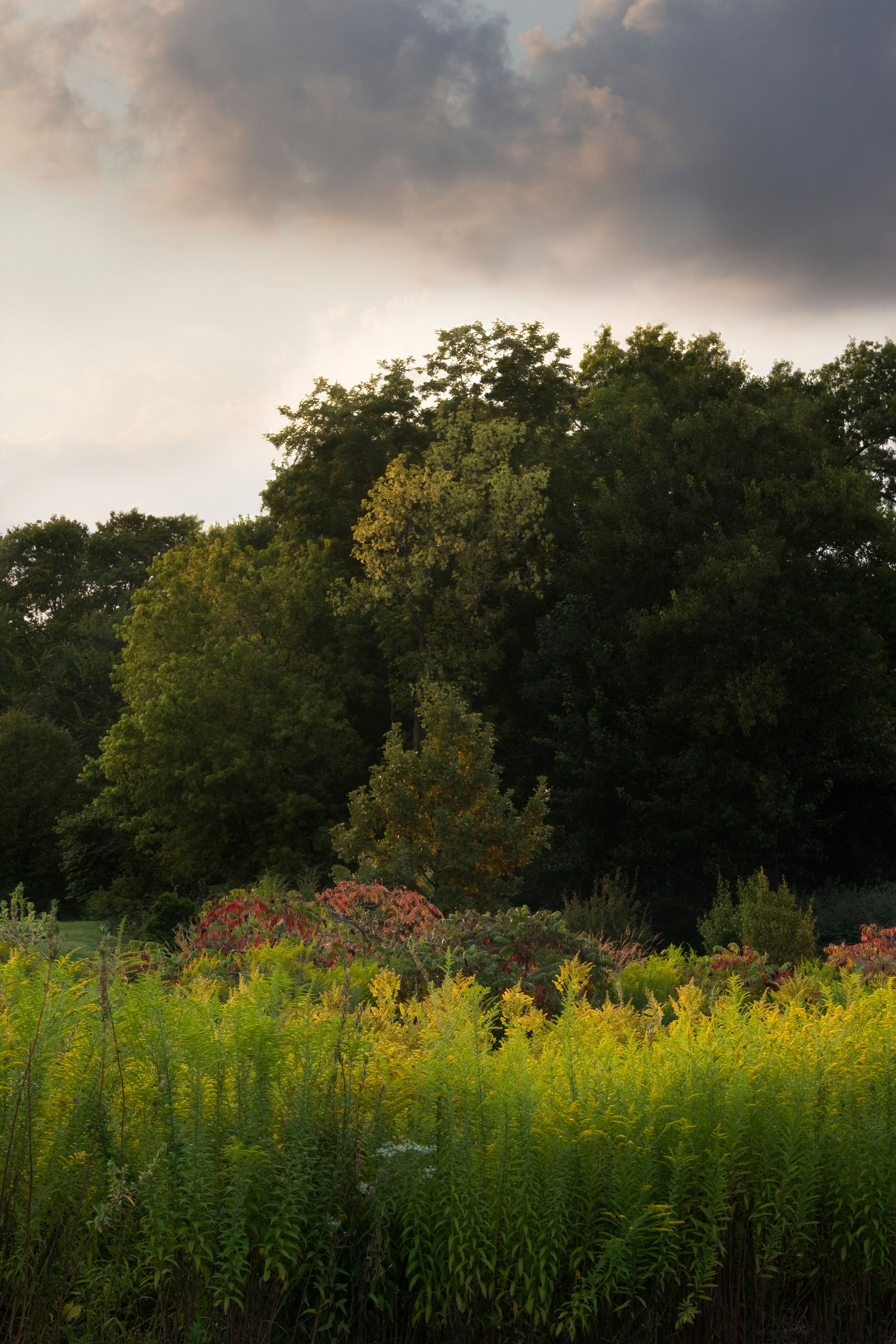
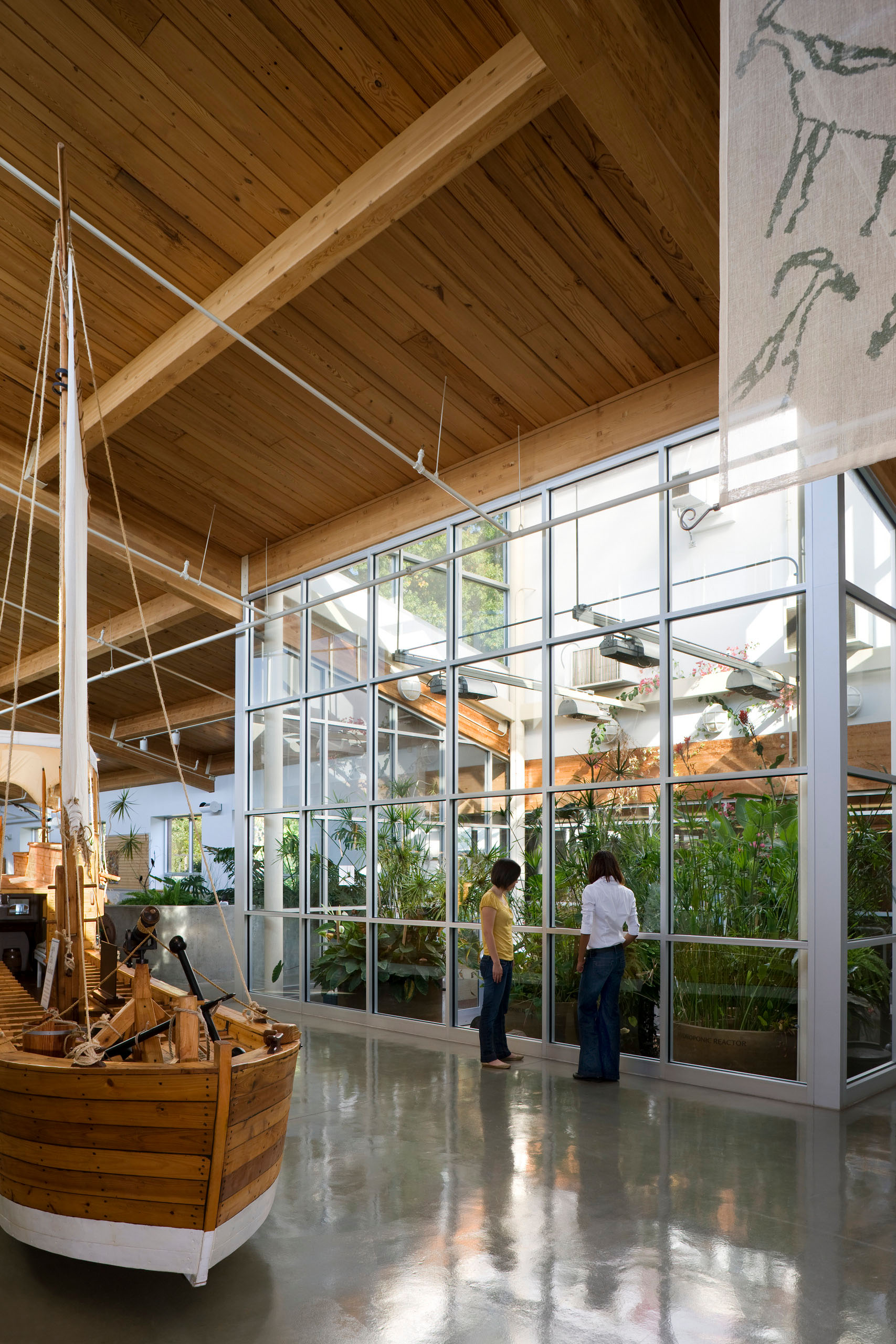
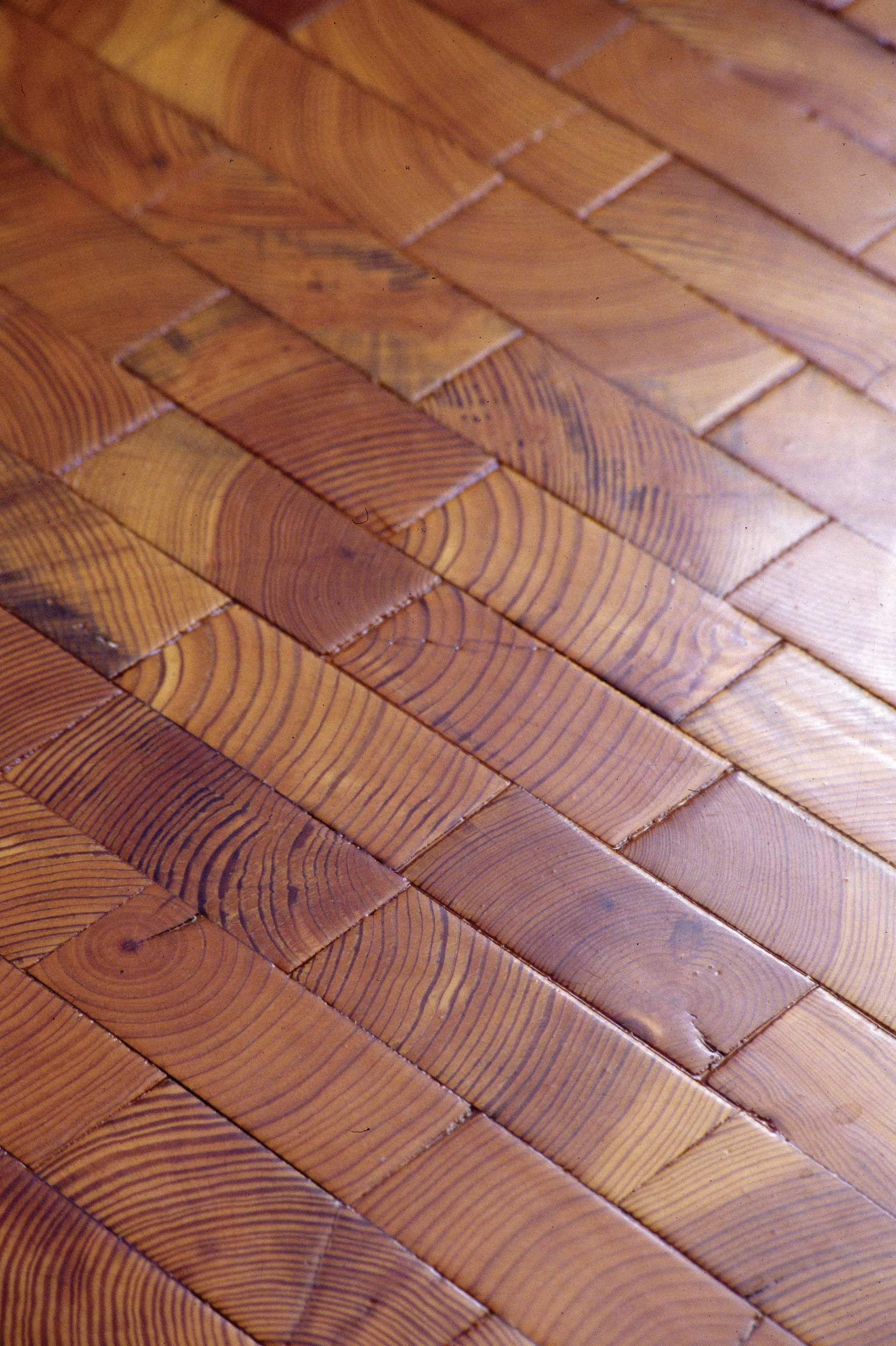
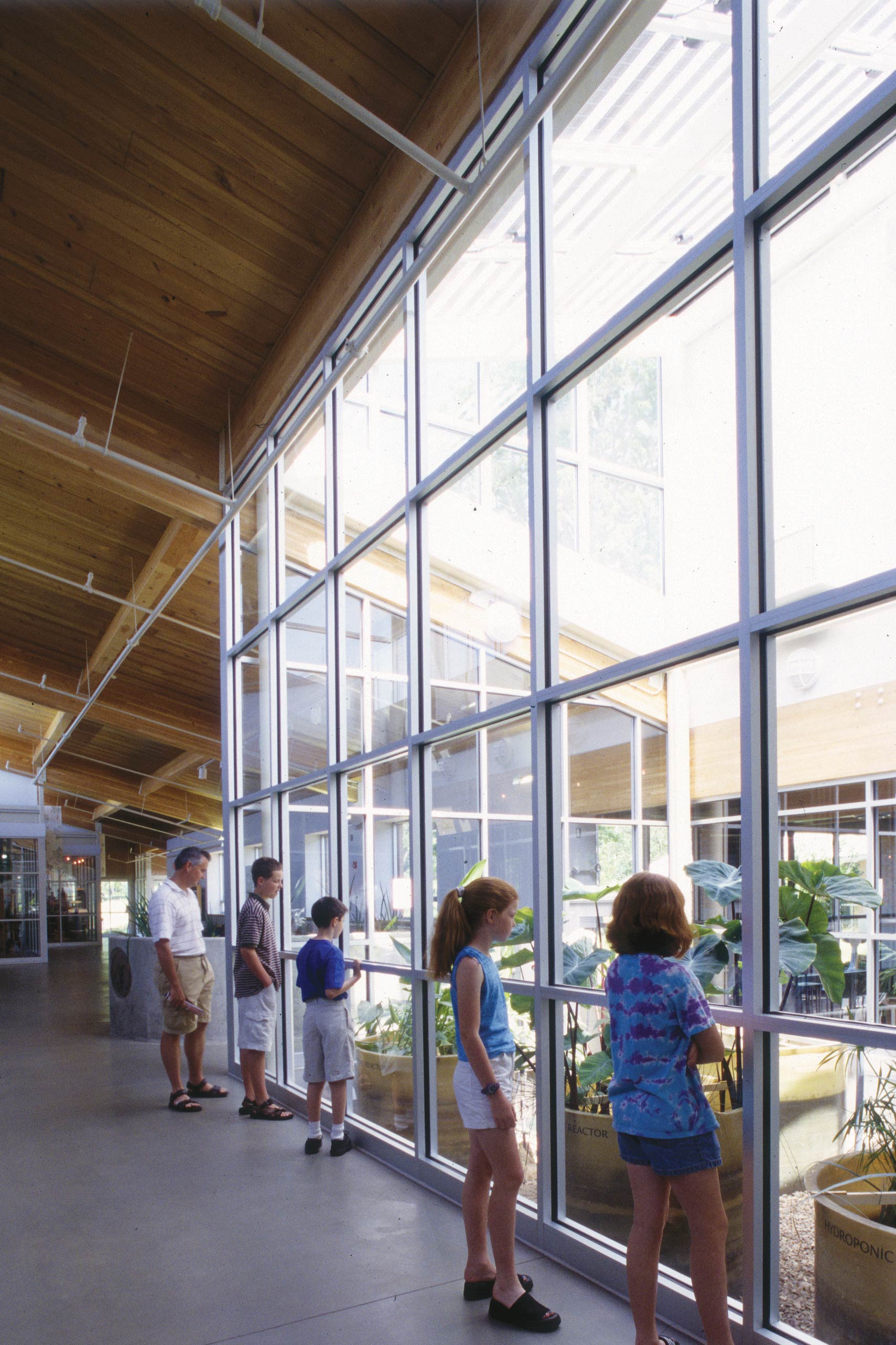
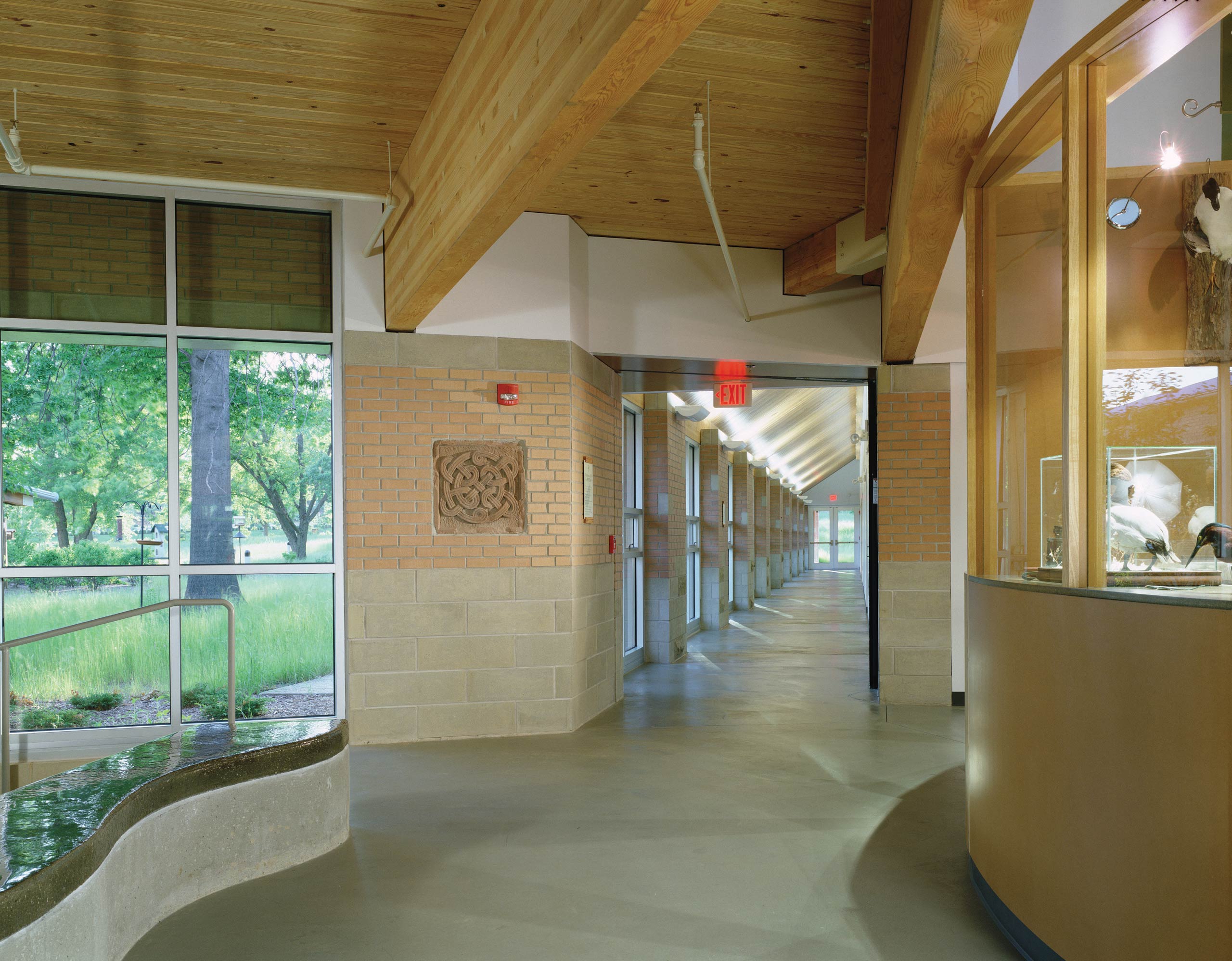
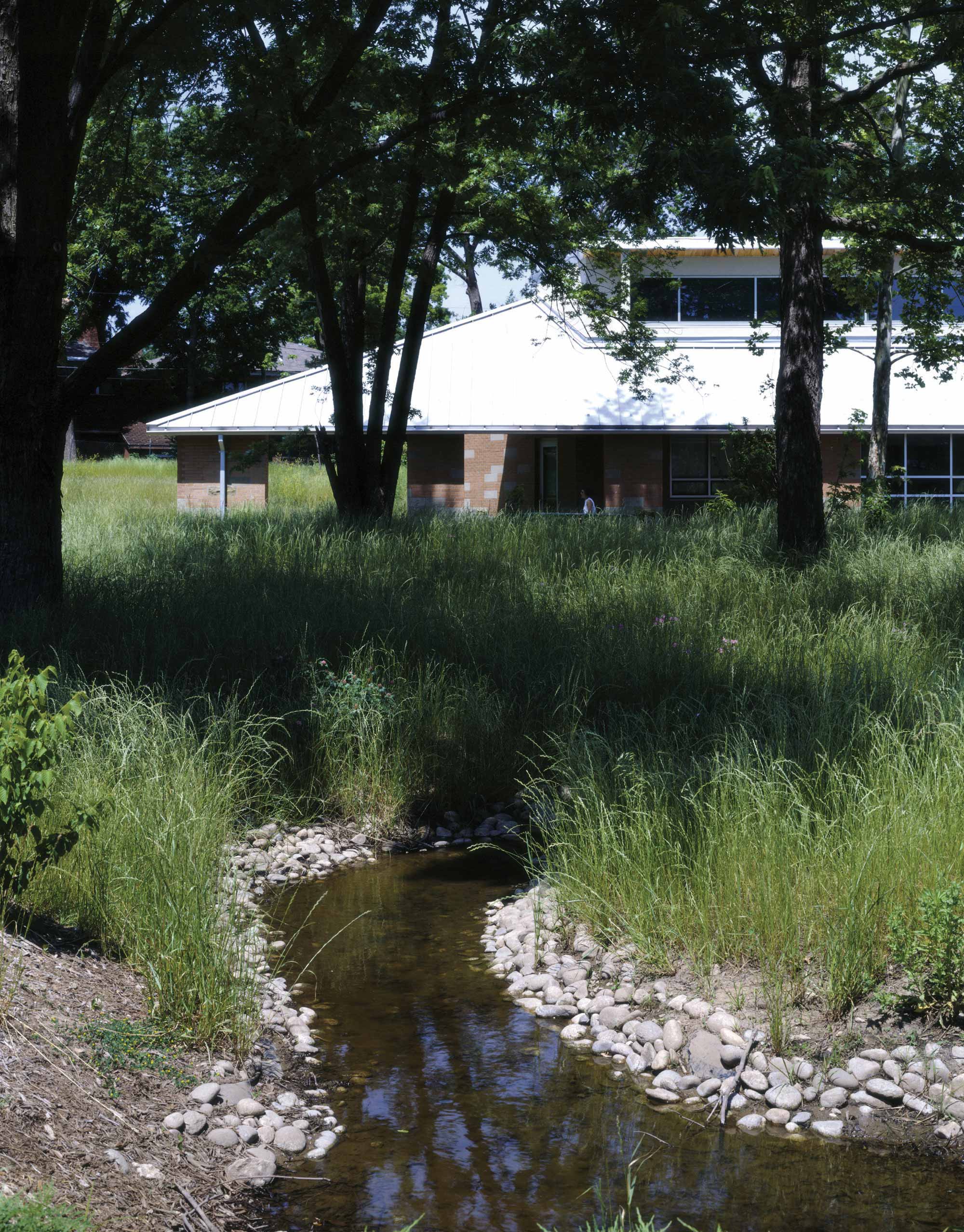
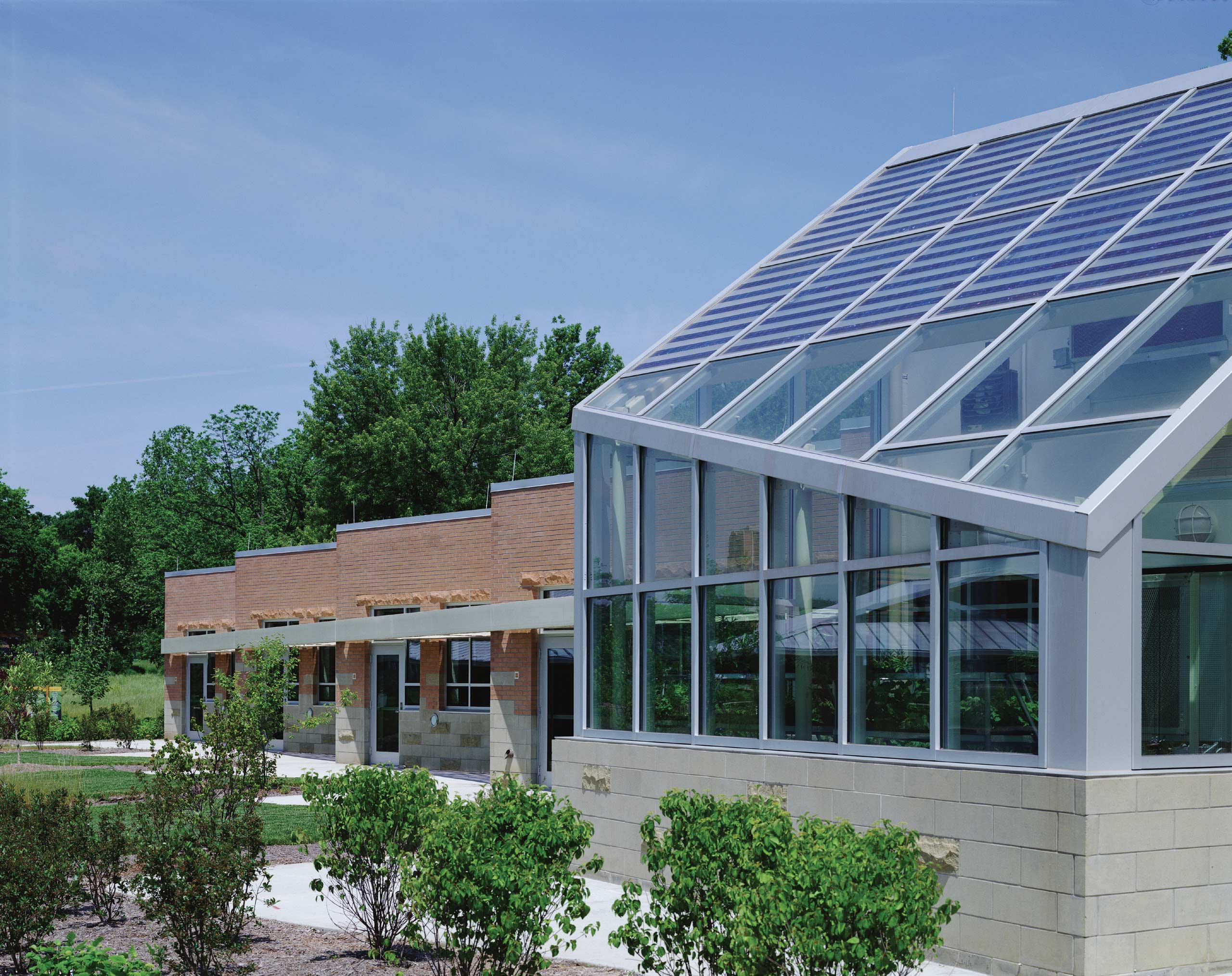
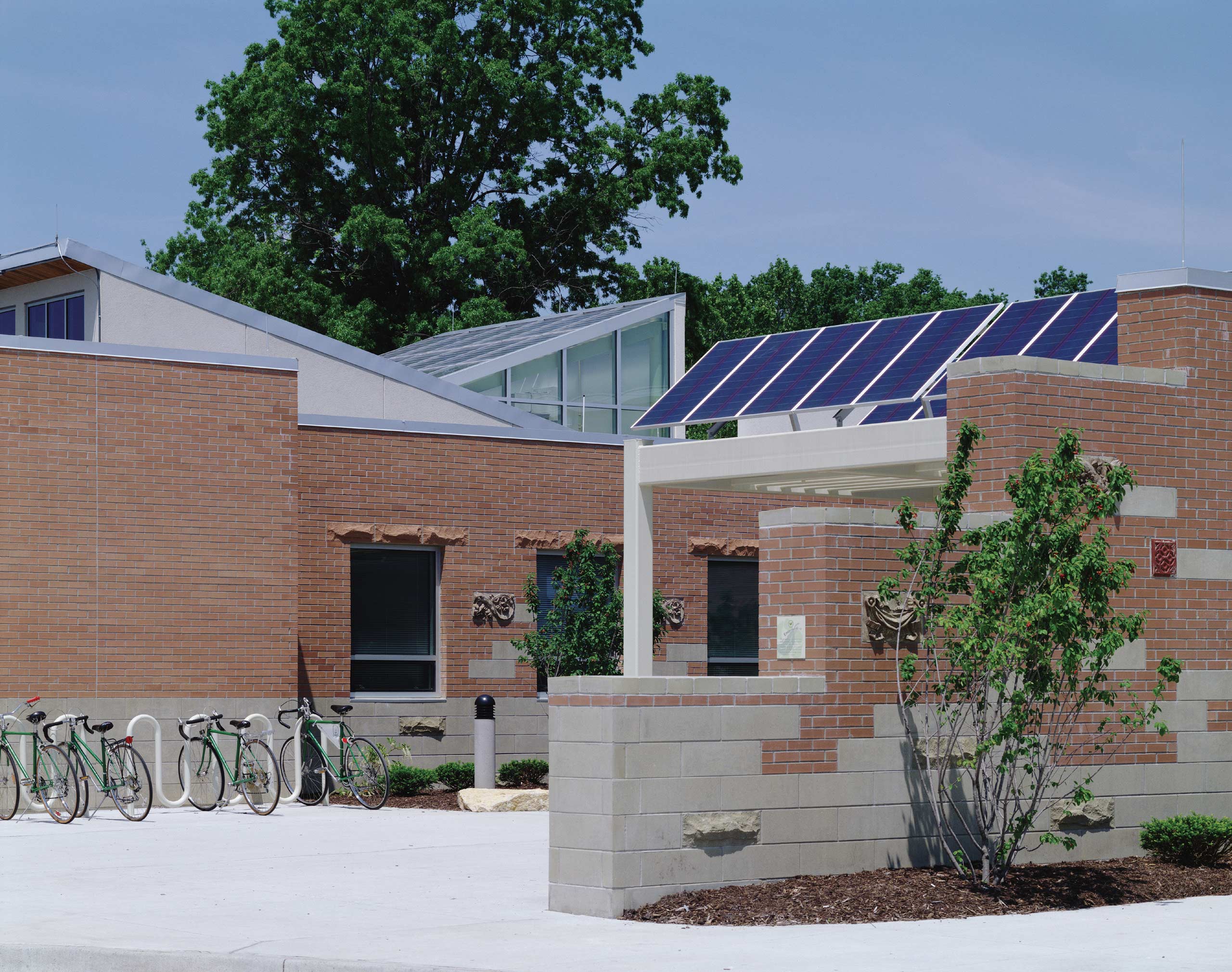
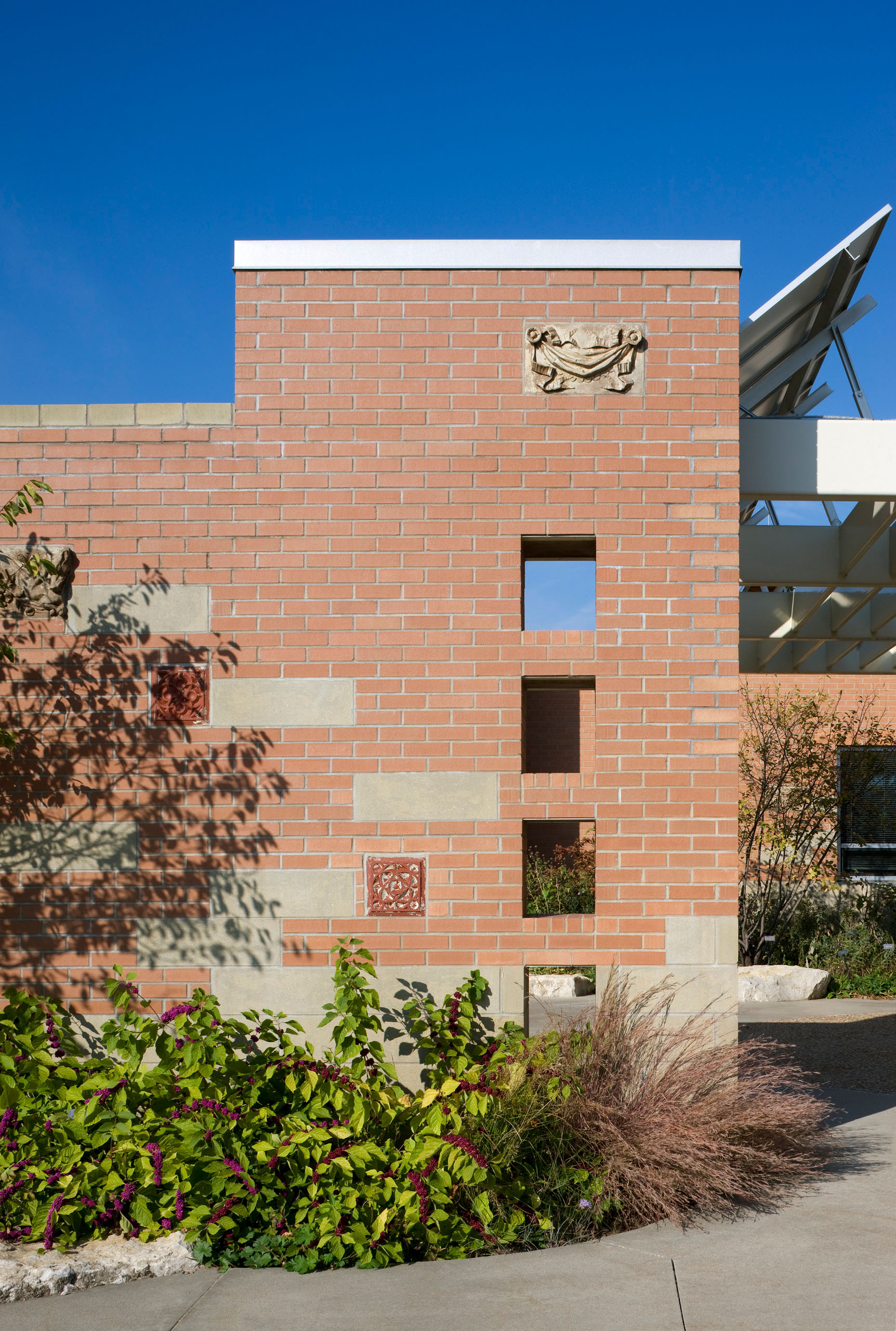
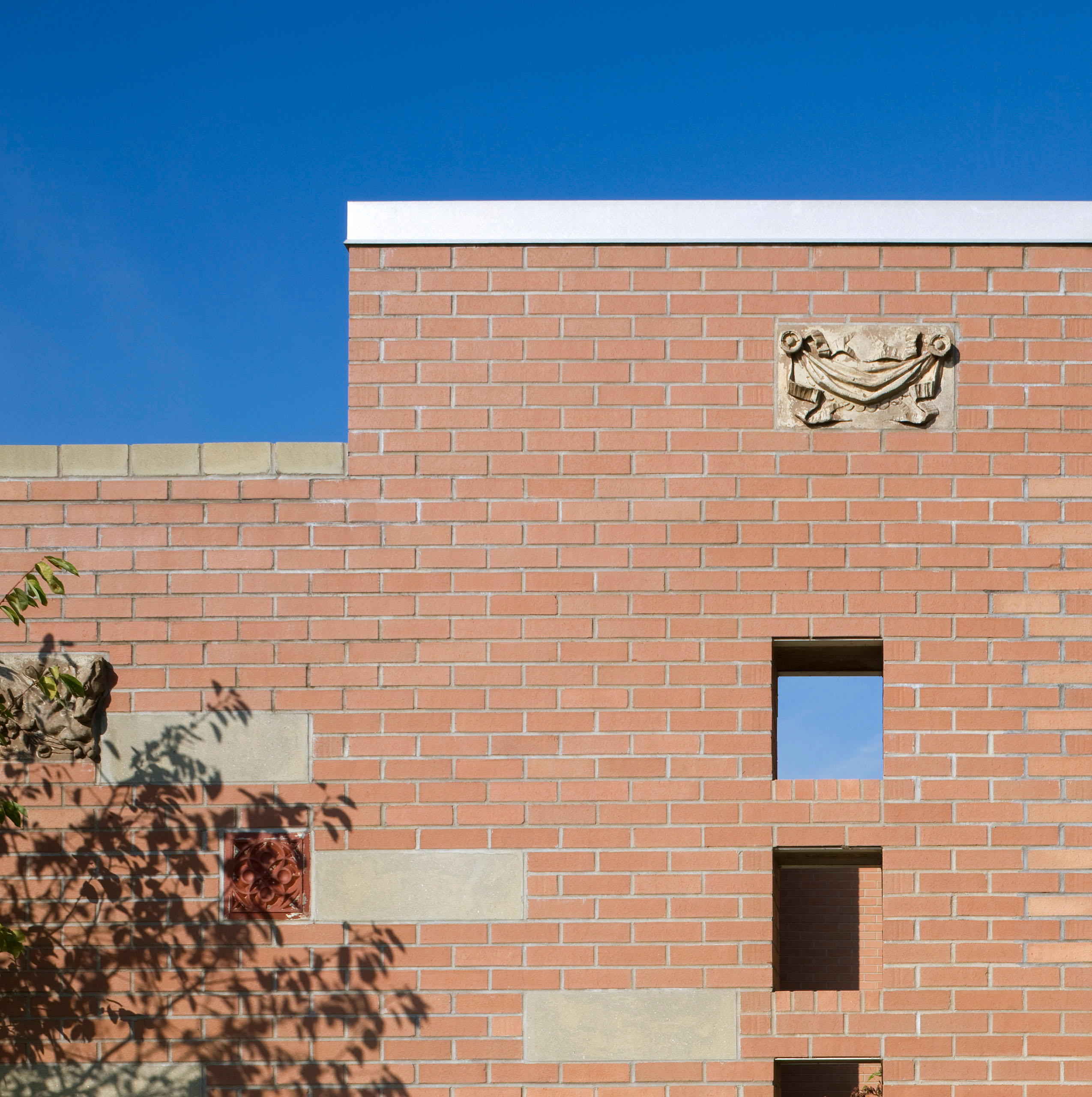
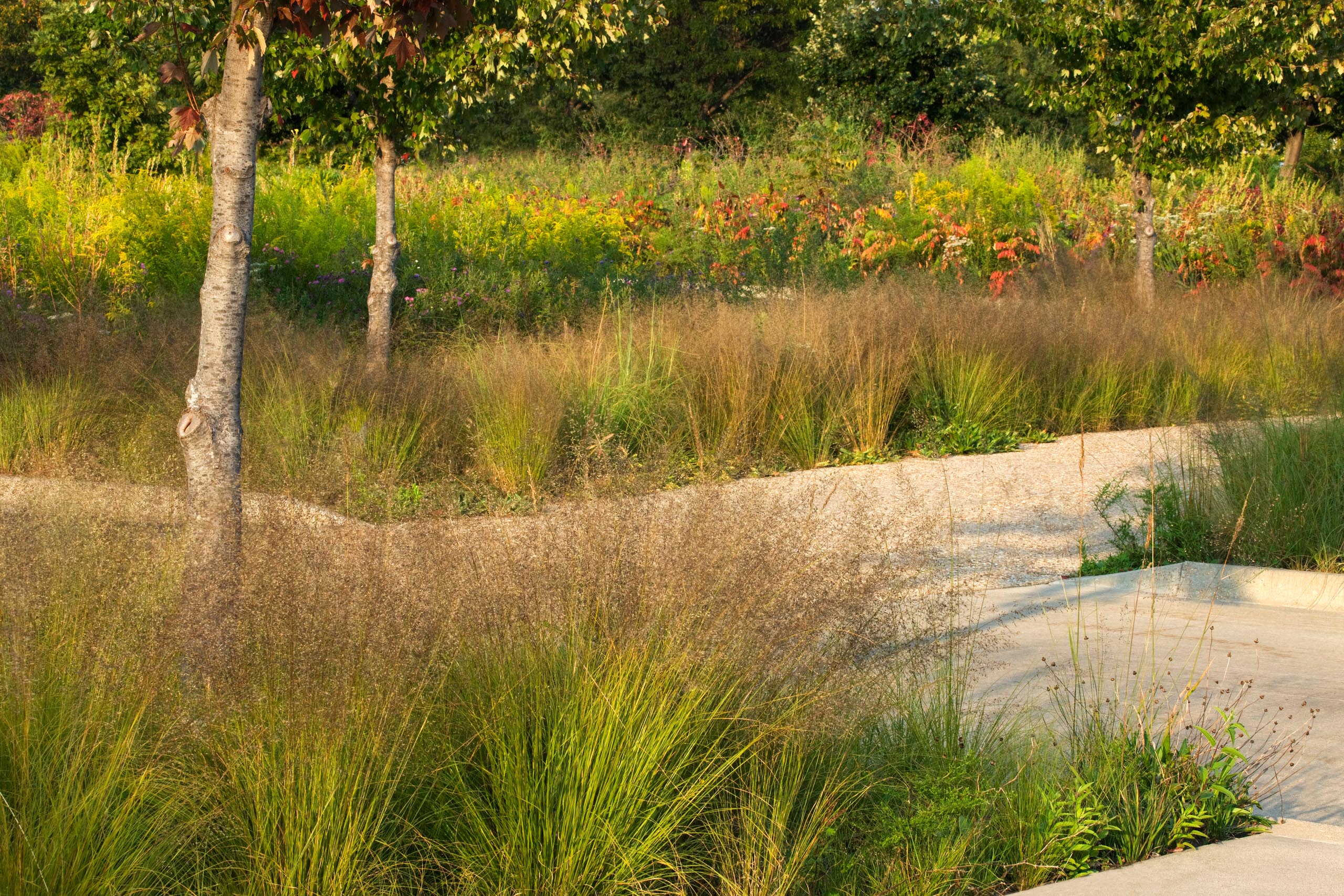
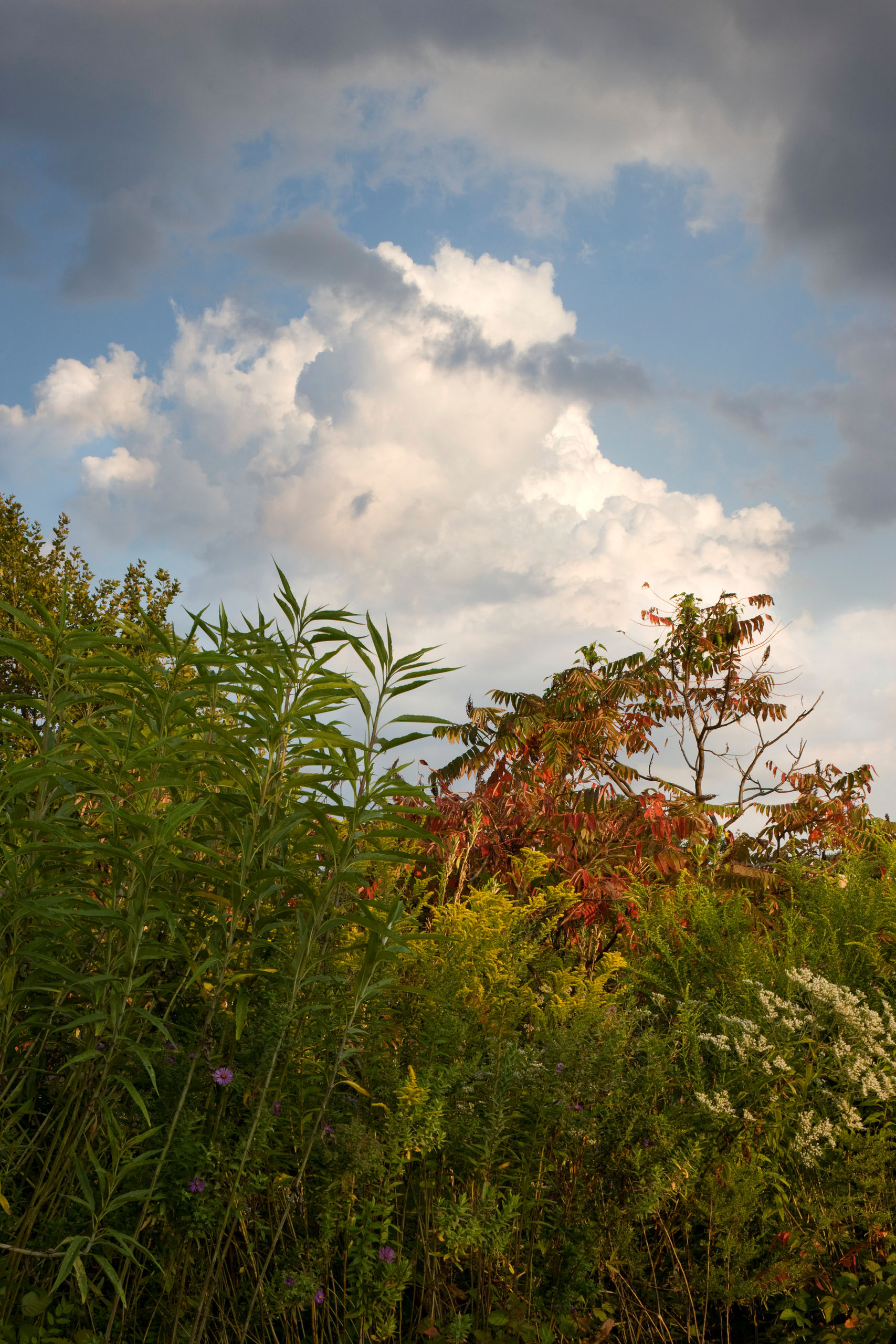
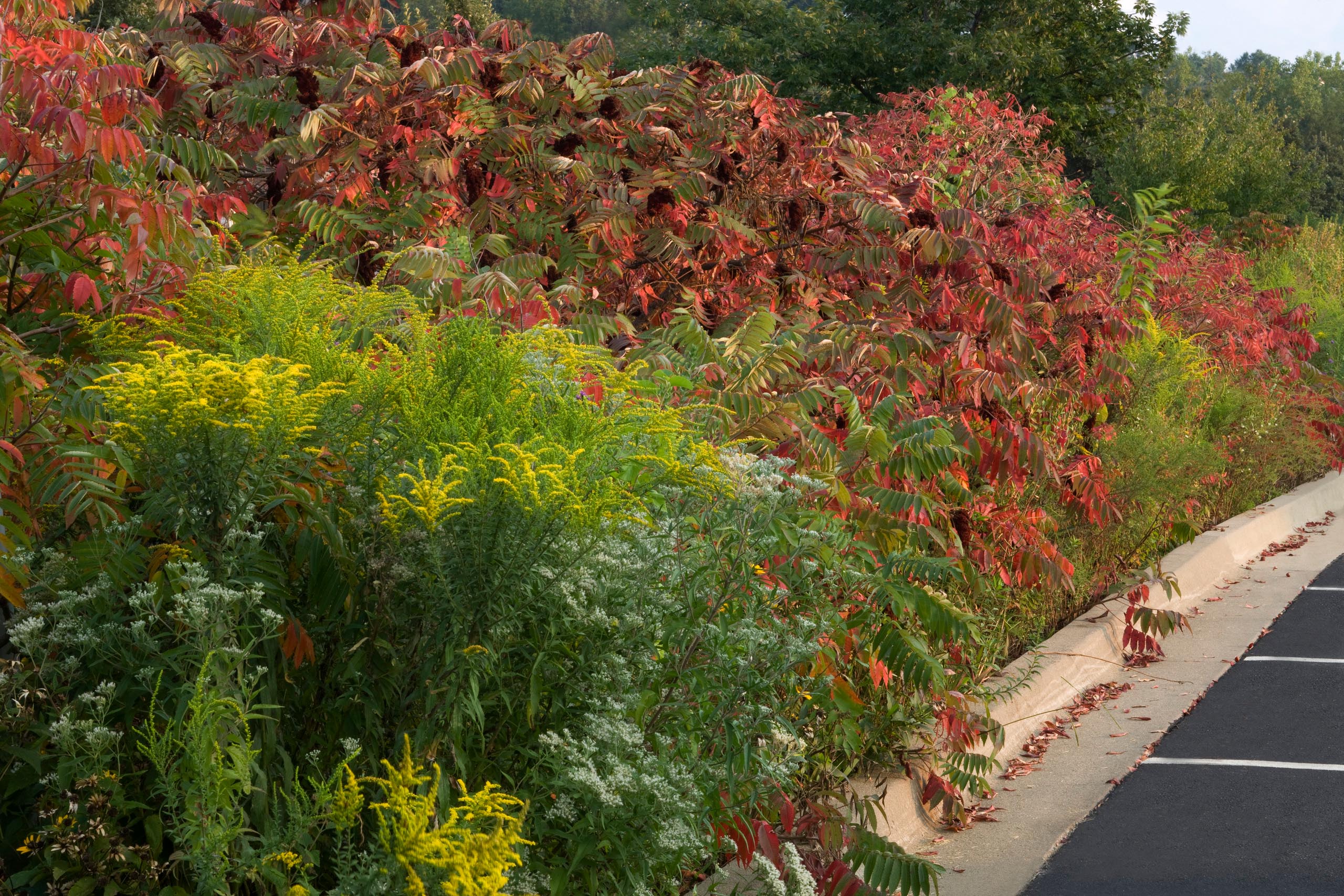
Educators with the Missouri Department of Conservation imagined a place in urban Kansas City where children could connect with their natural environment and where conservation services could be provided to an urban audience. The program for the facility on twelve acres of previously developed land was to accommodate six educational workshops that promoted conservation strategies, metro offices for the Department, as well as multiple-sized meeting spaces and a large 250-seat auditorium available to the community. The theme of discovery and rediscovery permeates the building and landscape as both become teaching tools unto themselves, with the building in particular mimicking natural processes to provide energy efficiently and handle its waste intelligently. Kansas City, Missouri Sustainable design strategies were implemented including a geo-thermal heat pump system, reclaimed wood and masonry artifacts, bioswales, daylighting, operable windows, and three kinds of photovoltaics. A “Living Machine” provides on-site treatment of all wastewater from the building (from toilets, sinks, drinking fountains and showers) and produces reclaimed water suitable for reuse in flushing toilets, recharging the outdoor wetland and irrigation. BNIM and the design team’s overriding goal was to provide a strong connection between nature and human nature at the facility. An early site inventory revealed opportunities to enhance remnant habitats by re-introducing native plantings, thus beginning a long-term restoration of miniature biomes representative of native Missouri. The landscape extends indoors as well, participating in the functional and educational needs of the building, continually acting as an extension of the workshops that are used to teach the basics of Missouri wildlife and the natural environment. 2009 American Society of Landscape Architects, Central States Regional Awards - President’s Award | |
| |
Project Types / Community, Interpretive Centers, Landscape Architecture, Primary Education Services / Architecture, Interior Design, Landscape Architecture, Sustainable Consulting Keywords / wetland, sustainable design, photovoltaic, natural processes, Living Machine, educational workshops, Conservation | |