
The Nelson-Atkins Museum of Art – Transforming Museum Experiences to Serve All
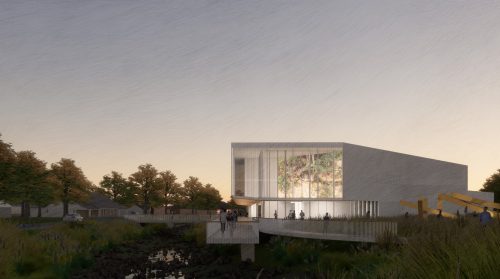
In an ongoing relationship that was developed in 2001, BNIM has worked with the Nelson-Atkins Museum of Art on 60+ projects over two decades. This work has included the Bloch Building addition in collaboration with Steven Holl Architects, design and renovation of multiple galleries, museum signage and wayfinding, an education center and reference library, sculpture hall, new parking structure and entry plaza, campus feasibility studies, and climate resilience grant research.
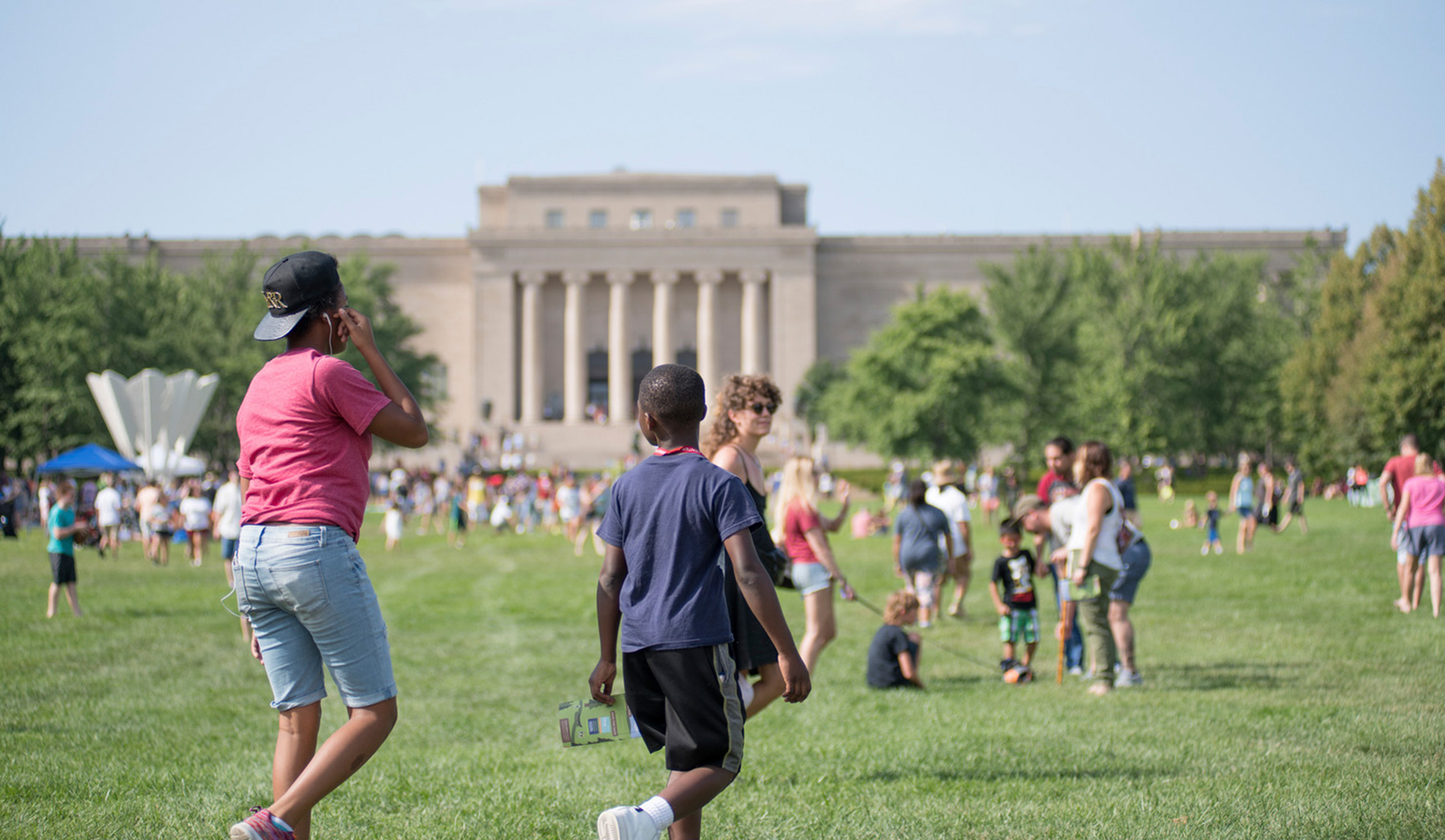
The Nelson-Atkins Museum of Art’s campus-wide transformation has encompassed multiple renovations, new construction, and historical restoration projects over two decades, which have enabled the museum to continue its role in serving a vibrant arts community in Kansas City, sustaining tourism, creating jobs, and providing arts education opportunities for all ages.
RESTORING THE 1933 BUILDING
2002 – Building Envelope Repair
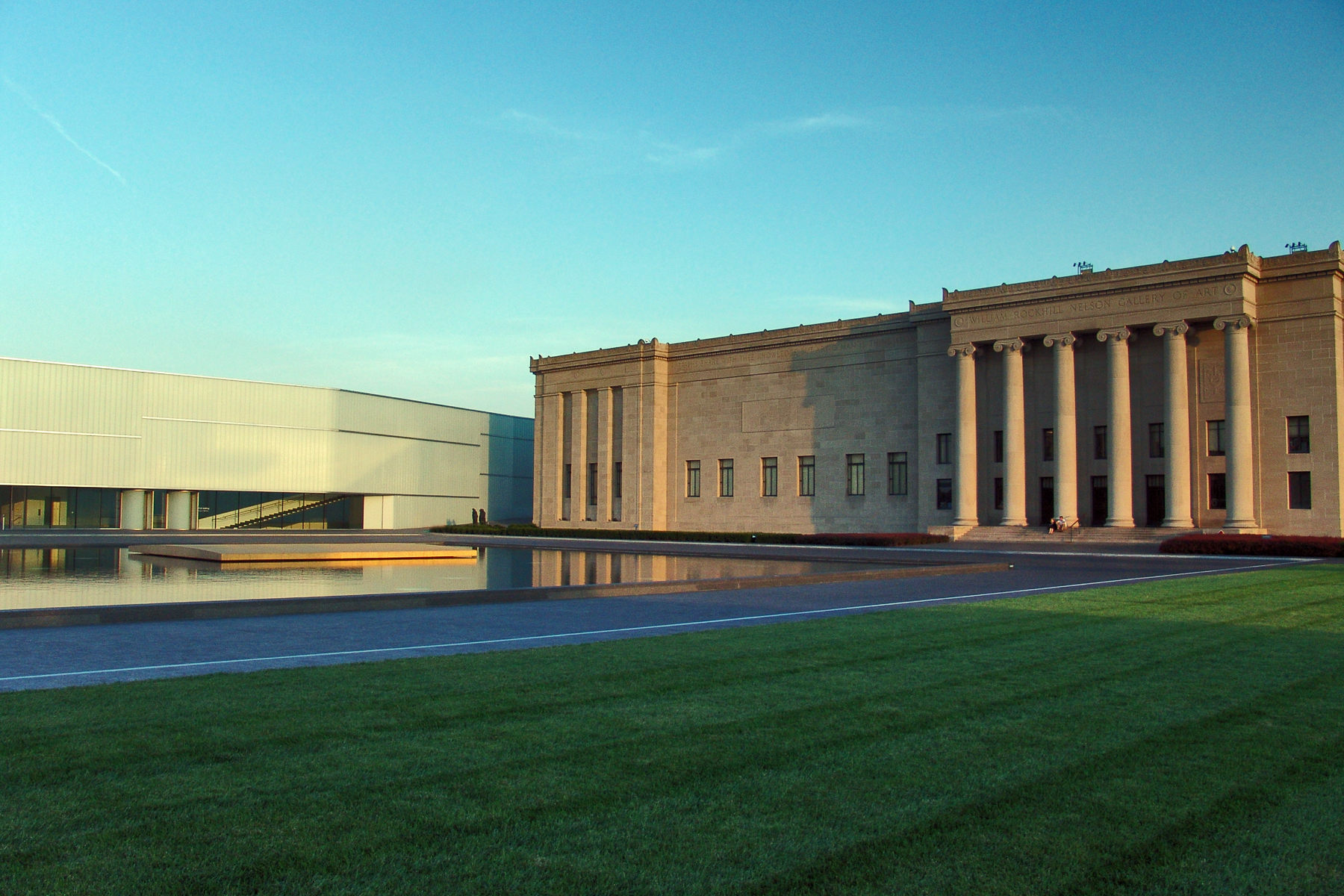
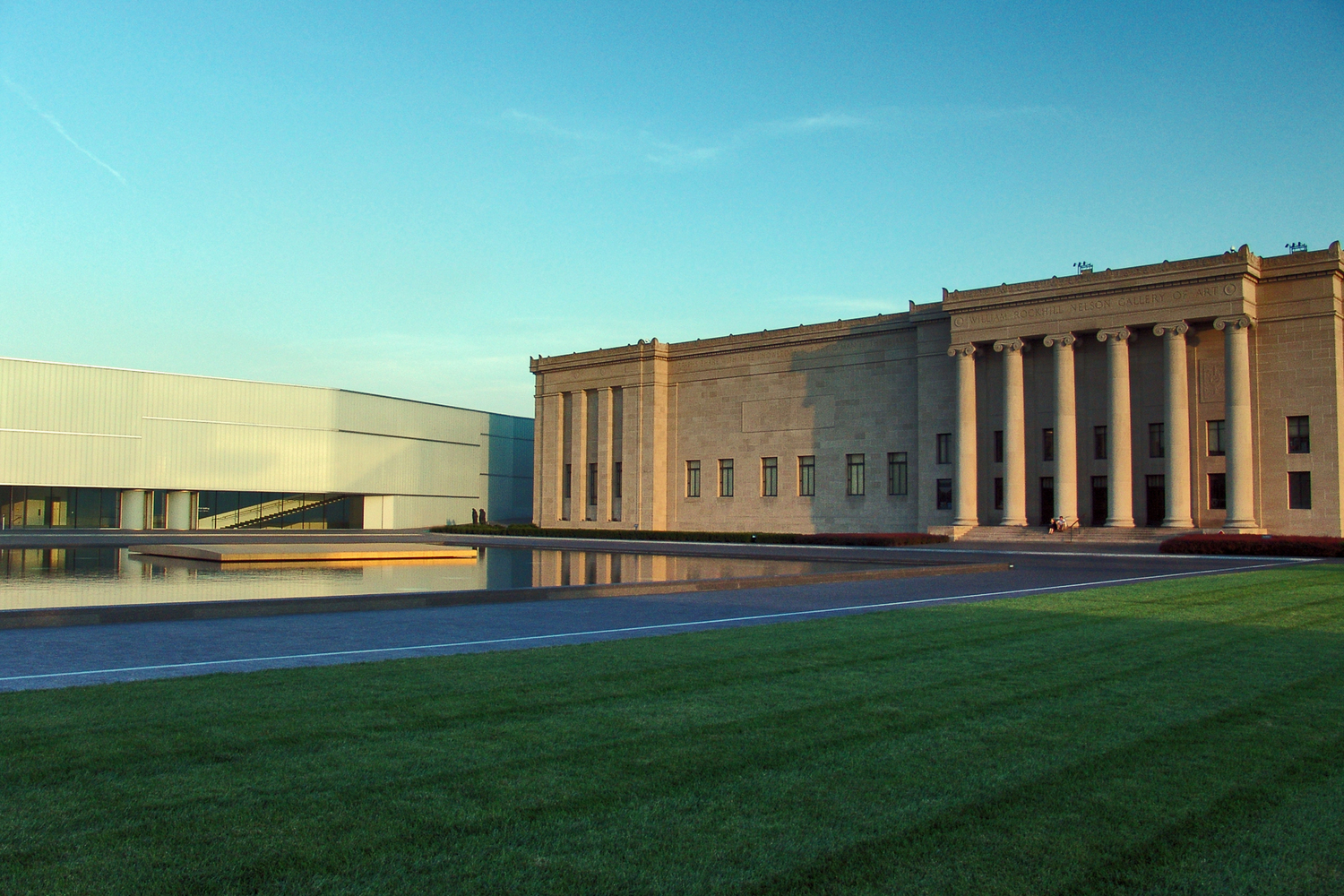
Restoration efforts for the Nelson-Atkins Museum of Art help ensure this beloved cultural destination continues to thrive in the Kansas City community for decades to come. BNIM worked on the building envelope repair and restoration of the existing historic building, involving detailed cleaning and tuckpointing of the stone façade, membrane and green roofing replacement, and the entry improvements. The exterior stone cladding was cleaned with a low-pressure warm water wash mixture, along with selective tuckpointing and epoxy-injected crack repairs. The formula for the tuckpointing mortar was referenced from original construction drawings and laboratory testing to carefully replicate the original material both for appearance and structural/material compatibility. Certain locations also required removal, repair, and re-setting of stone panels.
Other envelope improvements include restoration of existing bronze windows and integration of insulated steel windows replicating original design. The original insulation on the interior of the composite masonry-stone wall construction was comprised of 1” cork panels, adhered to the interior wythe of masonry with a bituminous coating. This was replaced with a rigid polyisocyanurate board product and integral vapor barrier as interior spaces were renovated. The new insulation system interfaced with the retro-fitted glazing systems, providing a continuous insulated envelope and vapor barrier.
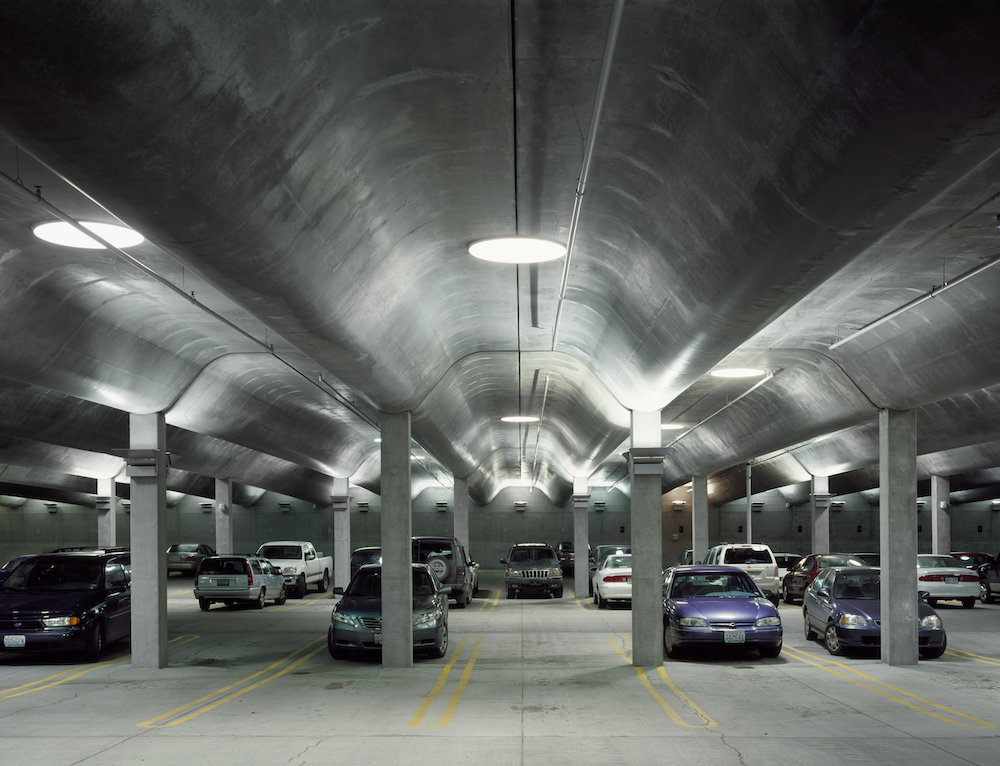


FILTERING LIGHT
2005 – Entry Plaza + Parking Garage
163,200 SF | 450 parking spaces | Features Walter De Maria Sculpture | 40,000+ annual student visits (BNIM with Steven Holl Architects)
The main entry plaza for the Nelson-Atkins Museum of Art creates a beautiful and functional arrival experience for visitors, shaped by art and architecture. The entry plaza features a reflecting pool and installation entitled “One Sun/34 Moons” by Walter De Maria, which is situated above a 450-car below-grade parking structure. Focused on drawing connections to the museum’s entry plaza above and creating a cohesive arrival experience, a specially formed ‘wave tee’ ceiling made of precast and cast-in-place concrete lets filtered light down into the parking garage via 34 lenses from the reflecting pool above. The parking structure further enhances visitors’ experiences through seamless connections between arrival and the museum entry with access the north plaza and the Bloch Building addition. The vehicular paving areas integrate a hydronic snow-melt system, eliminating concerns with damage from the freeze-thaw cycle or ice melting chemicals harmful to cementitious materials.
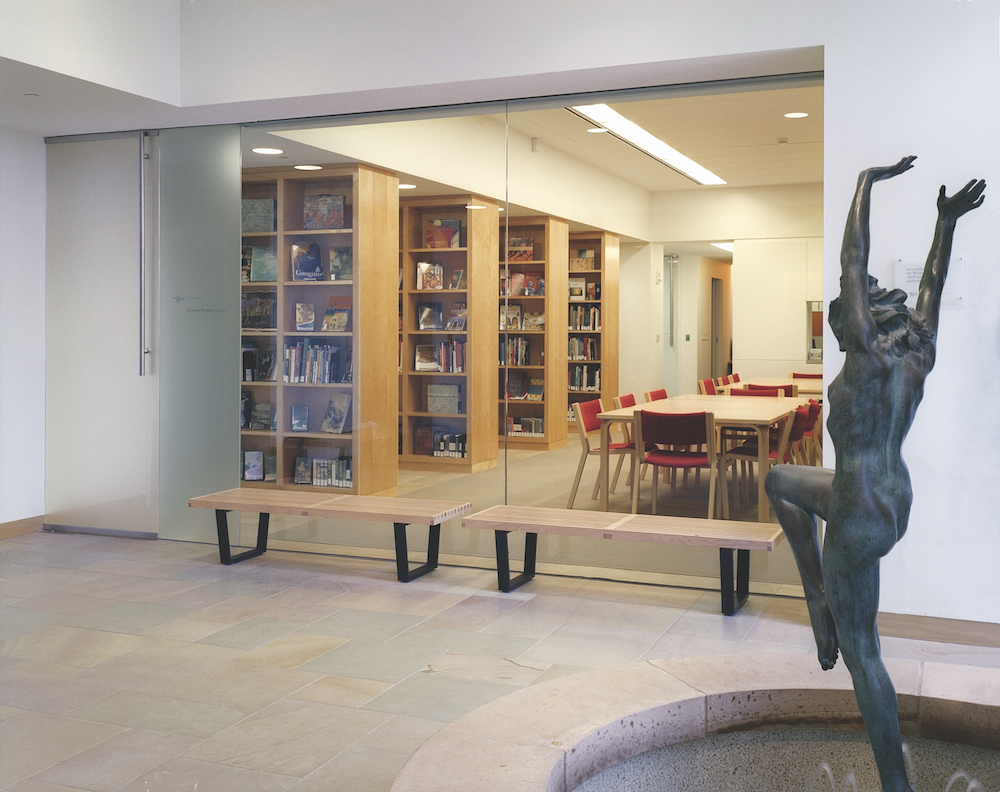

MUSEUM AS A COMMUNITY RESOURCE
2005 – Ford Learning Center
14,370 SF | 7,000 SF of education space | 2,200 SF of resource and training spaces
Located near the main entrance to the Bloch Building Addition, the Ford Learning Center is a highly visible and as an integral part of the museum campus, serving as a gateway to arts education and exploration. As one of multiple phases of renovation to the original Nelson-Atkins building, the Ford Learning Center reflects and advances the museum’s long-standing commitment to arts education. The Center is a welcoming space for children, families, and adult learners alike and is the heart of the Nelson’s education and outreach programs. The renovation tripled the museum’s dedicated space for educational programming, creating several classrooms focused on the teaching and creating of arts and crafts. Other support spaces include an educator resource center, orientation and training spaces, office suite and workspace.
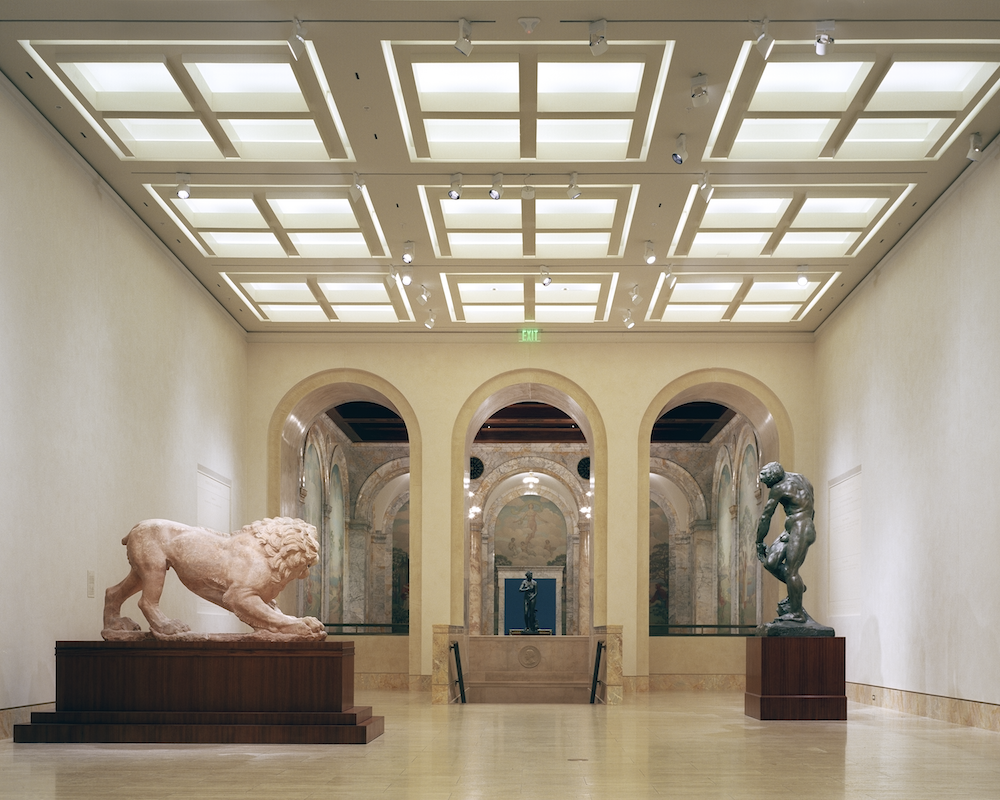

THE SPINE OF THE MUSEUM
2005 – Adelaide Cobb Ward Sculpture Hall
2,300 SF sculpture hall | 5,400 SF gallery and stair hall renovation | 7,100 SF auditorium renovation | 650 LF exhibit wall | Integrated accessible auditorium seating
The Adelaide Cobb Ward Sculpture Hall serves as a connector of old and new, thoughtfully bridging the 1930s Beaux-Arts detailing of the original museum’s Kirkwood Hall with the modern expressions of light and space in the Bloch Building addition. Expanding upon the ‘spine’ concept originally conceived by designer and BNIM’s collaborator, Steven Holl Architects, BNIM’s design of Adelaide Cobb Ward Sculpture Hall celebrates Nelson-Atkin Museum of Art’s past and present. The centrally located sculpture hall serves as a convening hub of surrounding European galleries and the spine connecting the original historic building and its contemporary counterpart to the east. Sensitive historic renovations of the Atkins Auditorium, the Atkins Lobby, and Atkins Stair Hall were also included in this project integrating life-safety and accessibility, contributing to the circulation and cohesive experience from the grand central volume of Kirkwood Hall through to the Bloch Building lobby.

THE HEART OF THE MUSEUM
2005 — Kirkwood Hall Renovation
9,500 SF of event space (450 guest capacity) | Glass (Laylite) ceiling restoration | Historic paint restoration | Life safety system integration
Kirkwood Hall, the ceremonial ‘heart’ of the Nelson-Atkins Museum of Art’s original building, showcases the museum’s 1930s Beaux-Arts style design. Today, the hall serves as a central point of connection and function. In conjunction with the Adelaide Cobb Ward Sculpture Hall and Stair Hall renovations, the Nelson-Atkins Museum of Art worked with BNIM to carefully renovate and restore Kirkwood Hall, the museum’s north and south entrance halls, and the entry vestibules. The original ‘switchback’ stair in Stair Hall was modified to provide a direct connection from the Bloch Addition lobby space, through the Sculpture Hall to the iconic grand central space of Kirkwood Hall.
The scope of renovations included historic paint and material restoration of original plaster coves and beams, integration of life safety systems and event lighting in reconstructed plaster beams, the restoration of historical light fixtures, and the specification of new, code compliant overheadglazing for Kirkwood Hall’s laylite ceiling and ‘saw-tooth’ skylights.

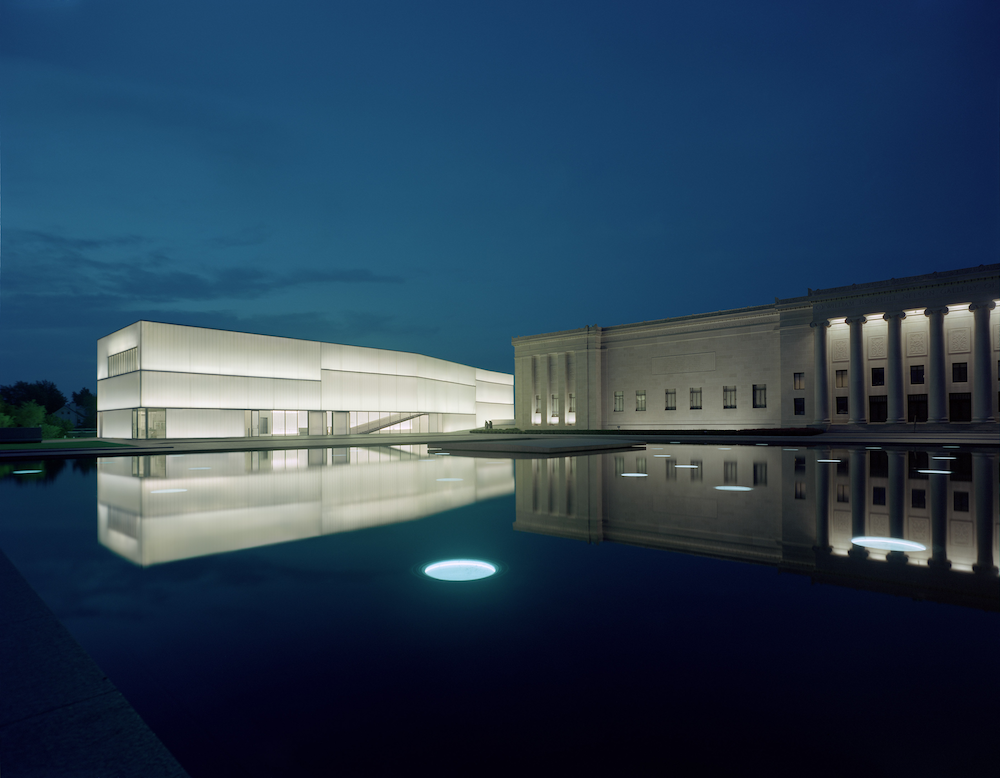
FEATHER AND STONE
2007 – The Bloch Building Addition
48,400 SF of new gallery space | 2,400 LF exhibit wall | 700,000+ annual visitors (BNIM with Steven Holl Architects)
The Bloch Building addition at the Nelson-Atkins Museum of Art is the first major addition to this beloved cultural institution and Beaux-Arts style structure since it opened in 1933. Considered a “feather” to the original museum’s “stone,” the Bloch Building’s five lenses dot the landscape, housing new gallery space under specially contoured ceilings that respond to the undulating landscape above. The lenses diffuse natural light into the art galleries below. At night, the galleries softly glow from within, illuminating the surrounding landscape and ‘outdoor galleries’.
Moving through the addition, visitors experience a flow between light, art, architecture and landscape. In collaboration with designer Steven Holl Architects, BNIM served as Architect of Record for the addition, which provides a 71% increase in total museum space. The Bloch Building introduces a transformational 66,500 square feet of new galleries and public spaces, including an entry lobby, art library, cafe and sculpture court devoted to the works of Isamu Noguchi.

DEDICATED TO THE ARTS OF THE NATIVE PEOPLES
2009 – Native American Art Galleries
6,260 SF | 200+ Native American Objects and artifacts | 43 Conservation Display Cases | Seven regions of North American Nations
The design of the Native American Galleries brings to fruition the Museum’s long-standing efforts to illuminate the importance of Native artistic traditions, and the significant role these traditions have played in the development of our nation’s cultural identity.
The collection is arranged according to seven geographic areas: Woodlands, Plains, Southwest, Plateau, California and the adjacent Great Basin, Northwest and Arctic. The design of galleries demonstrates departure from the neo-classical details of the original building, instead focusing on clean, modern details with a material palette that exudes richness and depth to place emphasis on the collection itself.
The Israeli Greige Limestone flooring and base create a monolithic field on which glass cases provide a setting for vibrant works of Native art. Designed, constructed, and installed by the renowned casework fabricator Goppion in Milan, the large expanses of glass provide an uninhibited view of the collection and allows the bright and colorful work of one Native culture to be viewed through the lens of another.

SHOWCASING AMERICAN VISUAL CULTURE AND CRAFTSMANSHIP
2009 – Sarah and Landon Rowland American Art Galleries
9,700 SF of gallery space | 1,100 LF exhibit wall | Hooper Room, 1754 | Adam Style neo-classical architecture
The Sarah and Landon Rowland American Art Galleries feature work from unique periods in American Art history, including painting, sculpture, furniture and works on paper dating from the American Revolution through World War II. The galleries, which arranged in chronological order, culminate in the collection’s grand exhibit space, Rowland Hall. Designed in the Adam Style, Rowland Hall features ornate molding and an elaborate vaulted plaster ceiling illuminated by two-glass oculi. Adjacent to Rowland Hall is a period room from the Robert Hooper House, circa 1754.
On the opposite end of the linear sequence of galleries is the Rotunda, an existing “nodal” gallery of its own significance, containing exhibits from the early 20th century, including the famed “Persephone” from Kansas City native Thomas Hart Benton and furniture designed by Frank Lloyd Wright. The Drawing and Print Corridor and Antechamber, which connect Rowland Hall to the original Rotunda, were also completely renovated. The galleries feature custom laylite glass ceilings, responding to the original glass ceiling installation found in typical galleries throughout the museum, and incorporating life safety and integrated lighting systems throughout.

EMPHASIS ON THE ART
2010 – Egyptian and Near Eastern Galleries
1,012 SF | Conservation Casework
The new Egyptian Gallery, part of the Susan B. and Mark A. Susz Galleries provides a permanent home for the exquisite funerary objects of the Ancient Egyptian noblewoman Meretites. The gallery space is designed to be calm, reflective, and reverent to the nature of the collection. BNIM worked closely with the Museum’s exhibition design staff and Italian fabricators Goppion, to develop casework that could accommodate the extreme conservation requirements of the collection and maintain a high degree of transparency. In addition to a complete renovation of architectural finishes, lighting and new casework, the scope of work also included comprehensive life safety and mechanical system upgrades. The exterior walls of the Nelson-Atkins Building, which define the galleries were bolstered with new insulation and a moisture barrier helping to preserve the collection and improve the performance of the Museum’s operations.

CONSERVATION, ADMINISTRATION, INCLUSIVE DESIGN, SIGNAGE AND OTHER PROJECTS
2010 – Administrative Office Renovation
1,377 SF
As part of the Nelson-Atkins Museum of Art’s overall renovation and long-term plan of locating all employee offices within the museum’s campus, the lower level of the original building was renovated to provide administrative office space for the museum’s curatorial, human resources, and finance departments. The program included private and open offices, conference space, workrooms, and break areas. The renovation involved significant alterations to architectural finishes, as well as the removal of existing combustible materials (wood plank catwalks and cork insulation) and large-scale upgrades to the mechanical, electrical and life safety systems. Due to the subterranean nature of the space, the design team’s focus on integrating quality lighting was paramount in creating a welcoming space for museum staff.
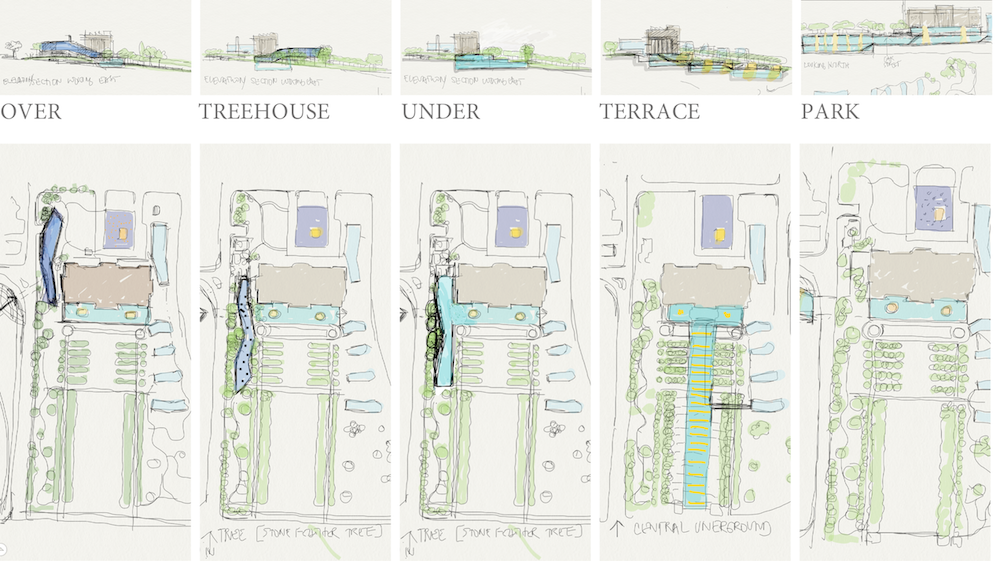
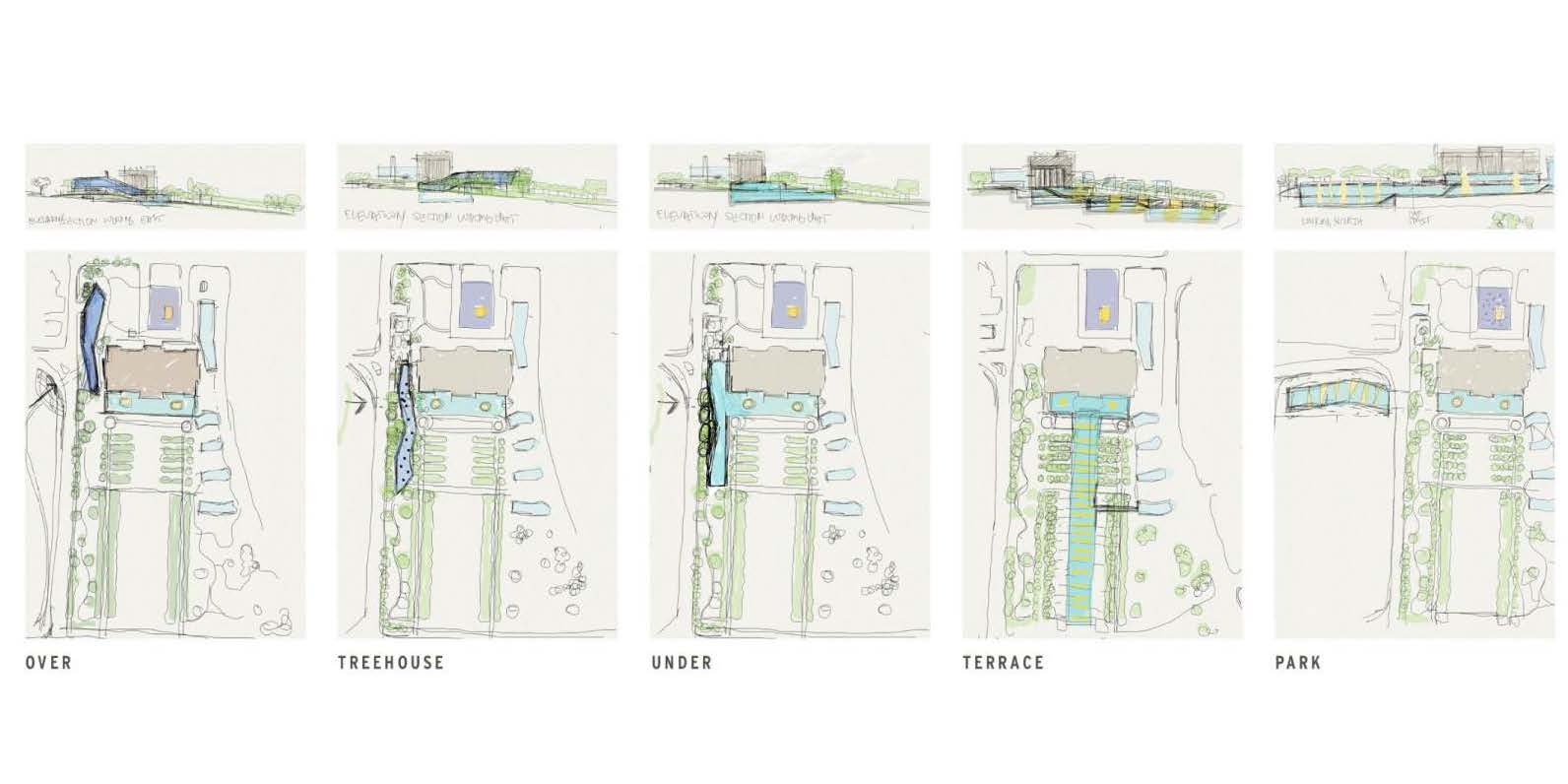
2016 — West Campus Study
Exploring the Nelson-Atkins Museum of Art’s desire for additional gallery and office space, BNIM worked with the museum to develop a series of expansion options with the West Campus Study. Three of the studies occur immediately parallel to the west side of the existing building, one is further west in Southmoreland Park, and the final is the museum’s central lawn. Though all five options carry merit, three options proved to be most viable. Each study ties back to the existing building — connecting visitors to neighboring greenspace and existing gallery experiences.

SIMULATING ENVIRONMENTS FOR ORIGINAL IMMERSIVE EXPERIENCES
2017 – Bloch Galleries of European Art
8,350 SF of gallery space | 935 LF exhibit wall | Dynamic tunable white lighting
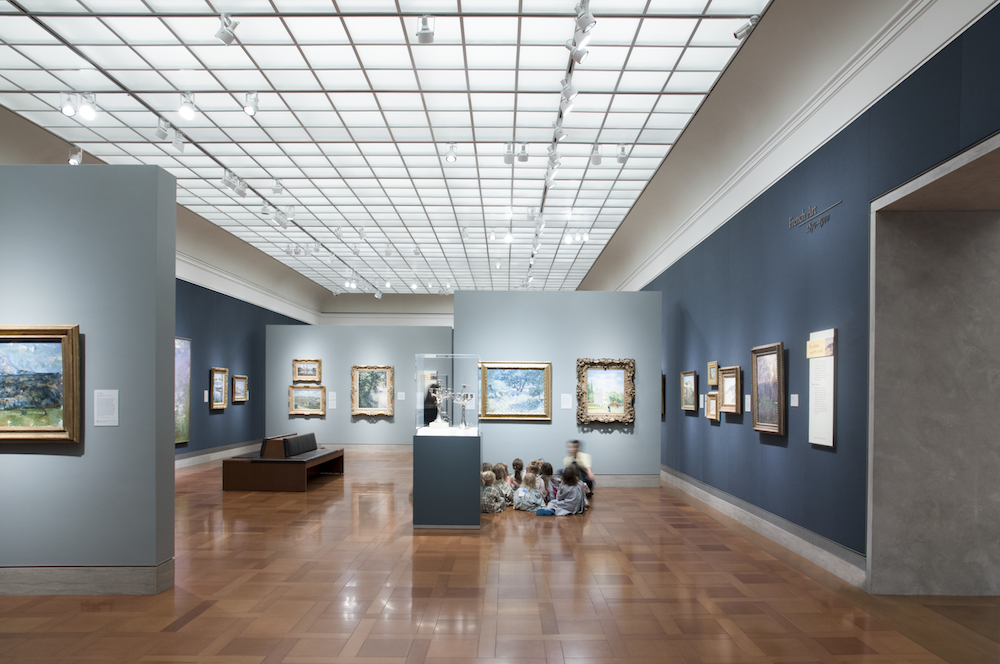
The new Bloch Galleries feature the Marion and Henry Bloch Collection of Impressionist and Post- Impressionist art, comprised of 29 masterpieces acquired by the Bloch family and gifted to the museum in 2010. The Bloch Galleries create a permanent home for the Bloch Collection and welcomed nearly 3,500 visitors during the galleries’ opening weekend. The expanded galleries add more than 900 linear feet of wall space and create an open viewing experience with sight lines encouraging viewers to make connections among works. The design team’s cohesive approach to the Bloch Galleries creates a harmonious connection with the existing historic building while incorporating contemporary construction methods and cutting-edge technology. The galleries feature state-of-the-art technology, including tunable dynamic white lighting that can simulate the environments for which the works were originally created and allow precise control of lighting color and intensity on each specific artwork in the galleries. The original glass ceilings were replaced with the custom laylite ceiling panels developed by BNIM to replicate the historic design, integrate life safety systems, and enhance the ambient gallery lighting.
FOCUS ON FUTURE RESILIENCE
2024 — NEH Climate Smart Grant
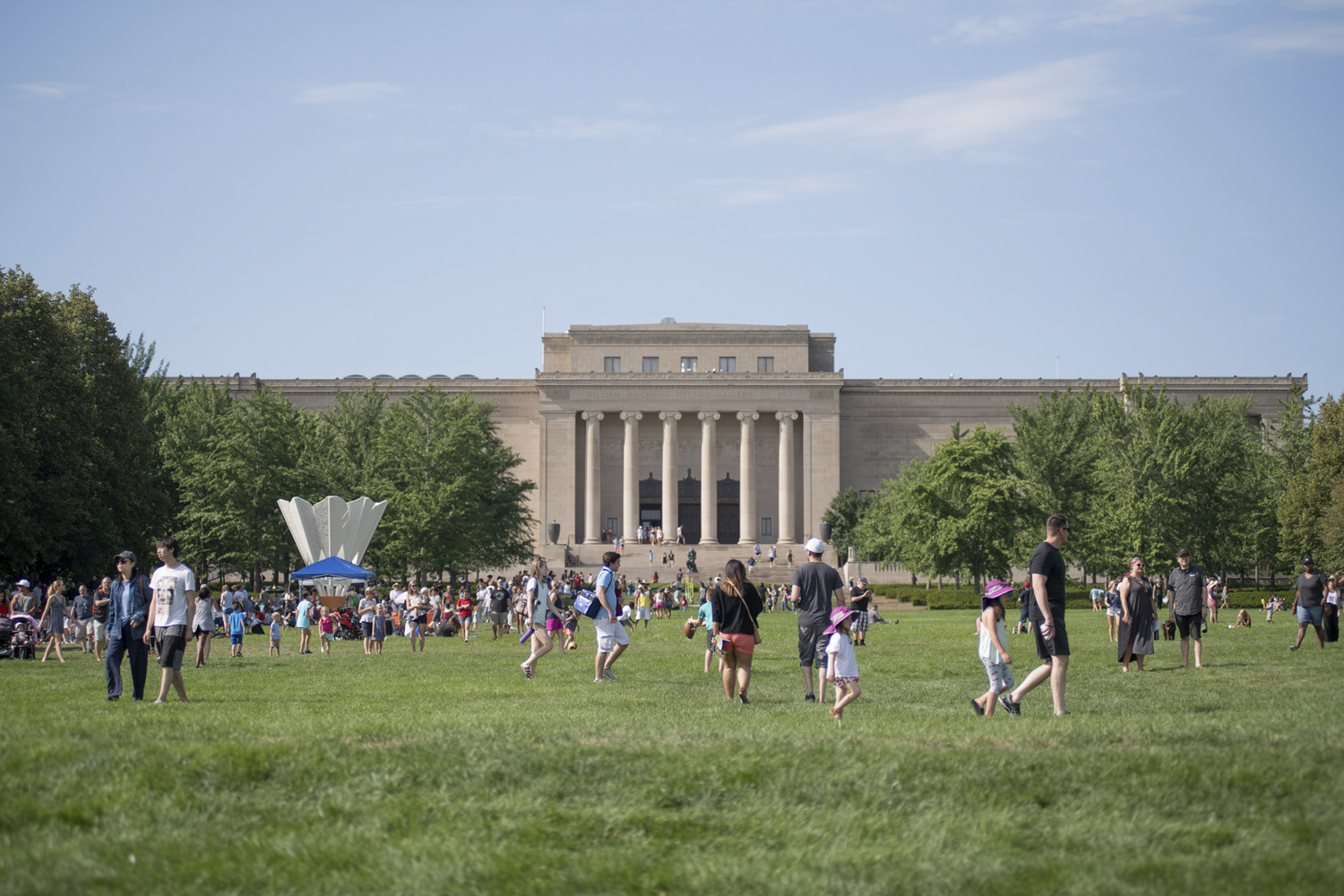
Through collaborative efforts with BNIM, The Nelson-Atkins Museum of Art and Linda Hall Library in Kansas City, MO, received one of five awarded Climate Smart grants from the National Endowment for the Humanities (NEH) in 2024. The NEH awards Climate Smart grants to help organizations build resilience against climate-related risks, reduce environmental footprint, and plan for ongoing protection of artifacts and artwork.