Oklahoma City Public Schools
Taft Middle School
Information
- Size 168,500 SF
- Completion 2028
- Project Type K-12 Schools
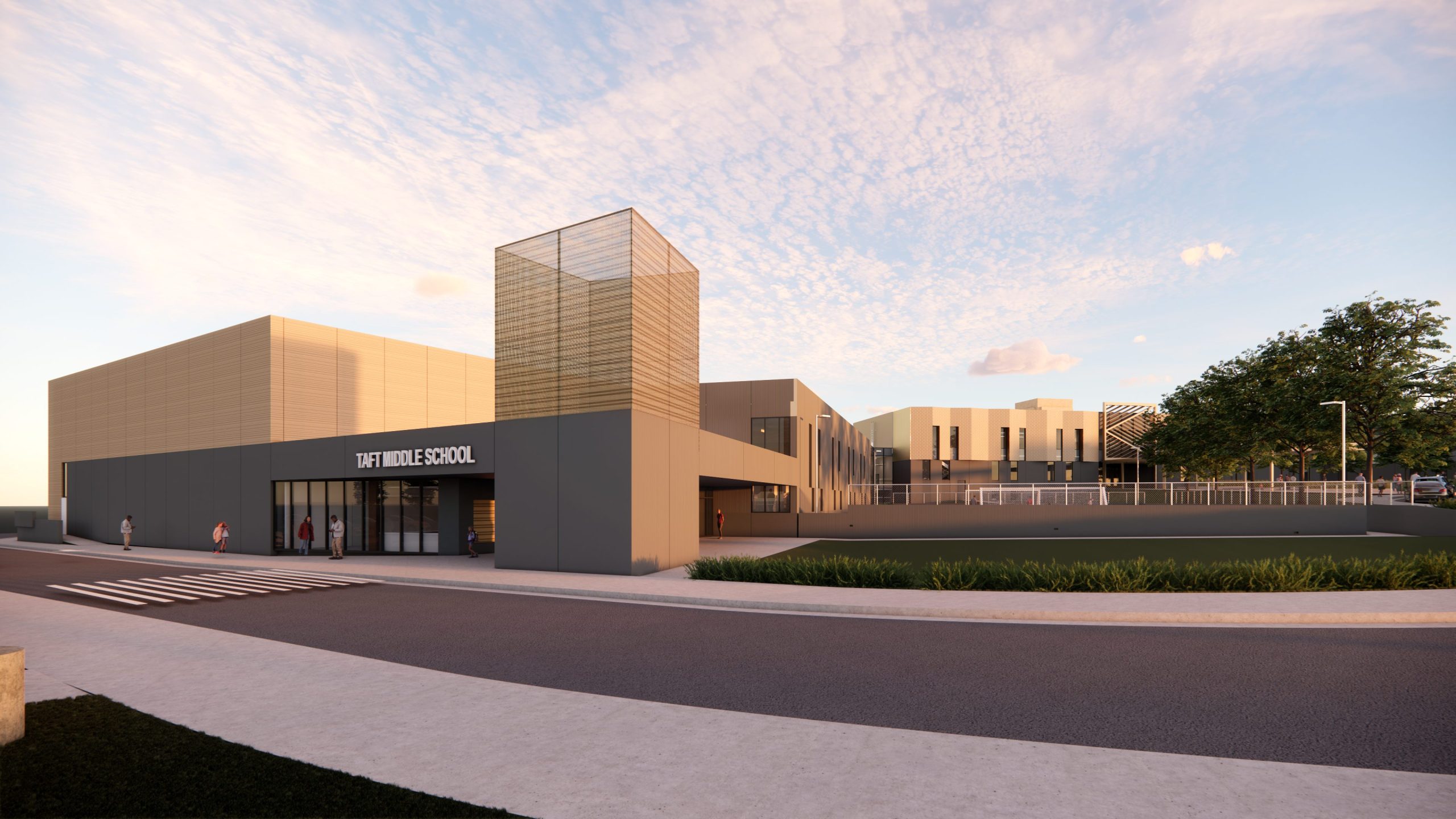
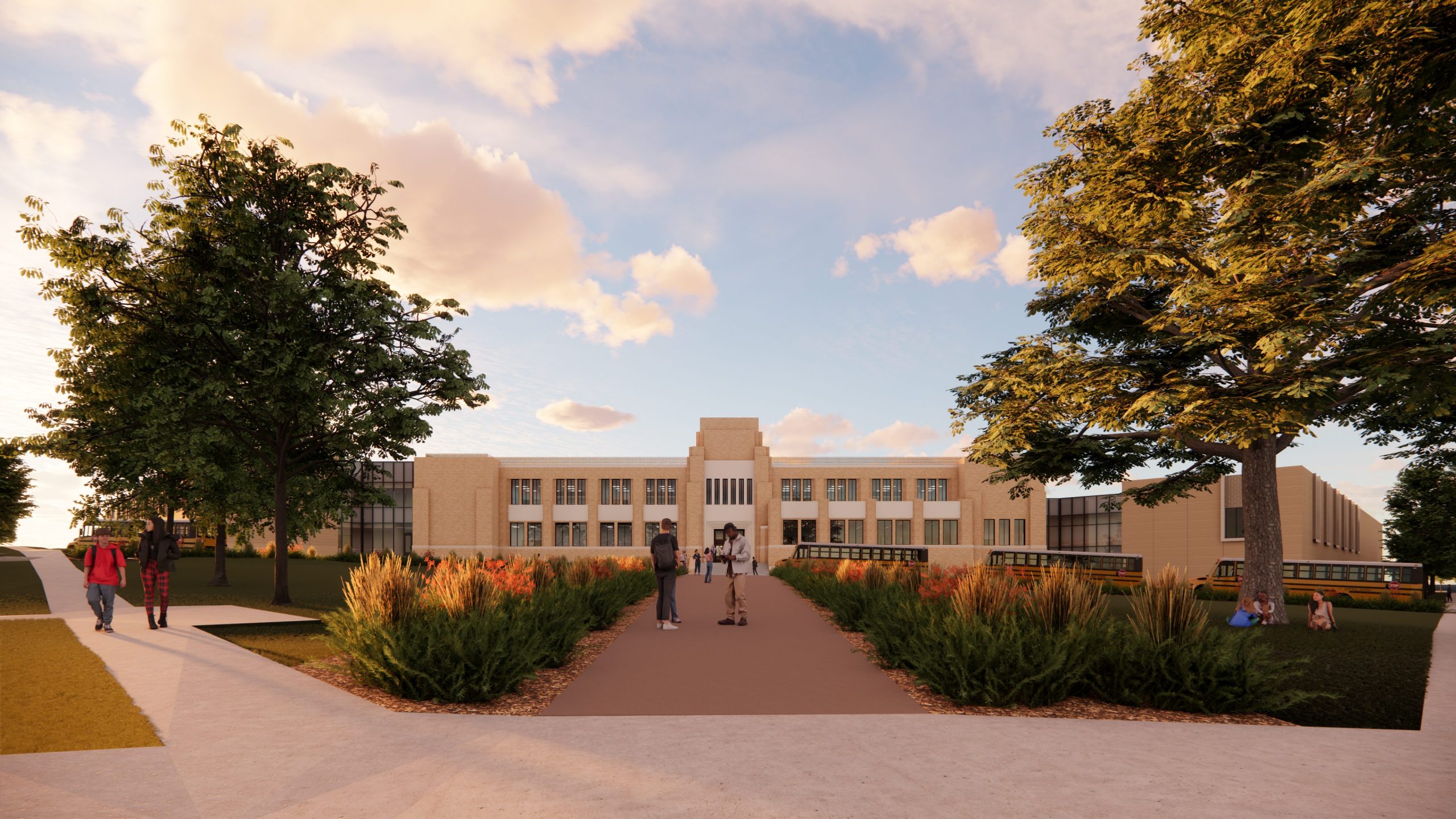
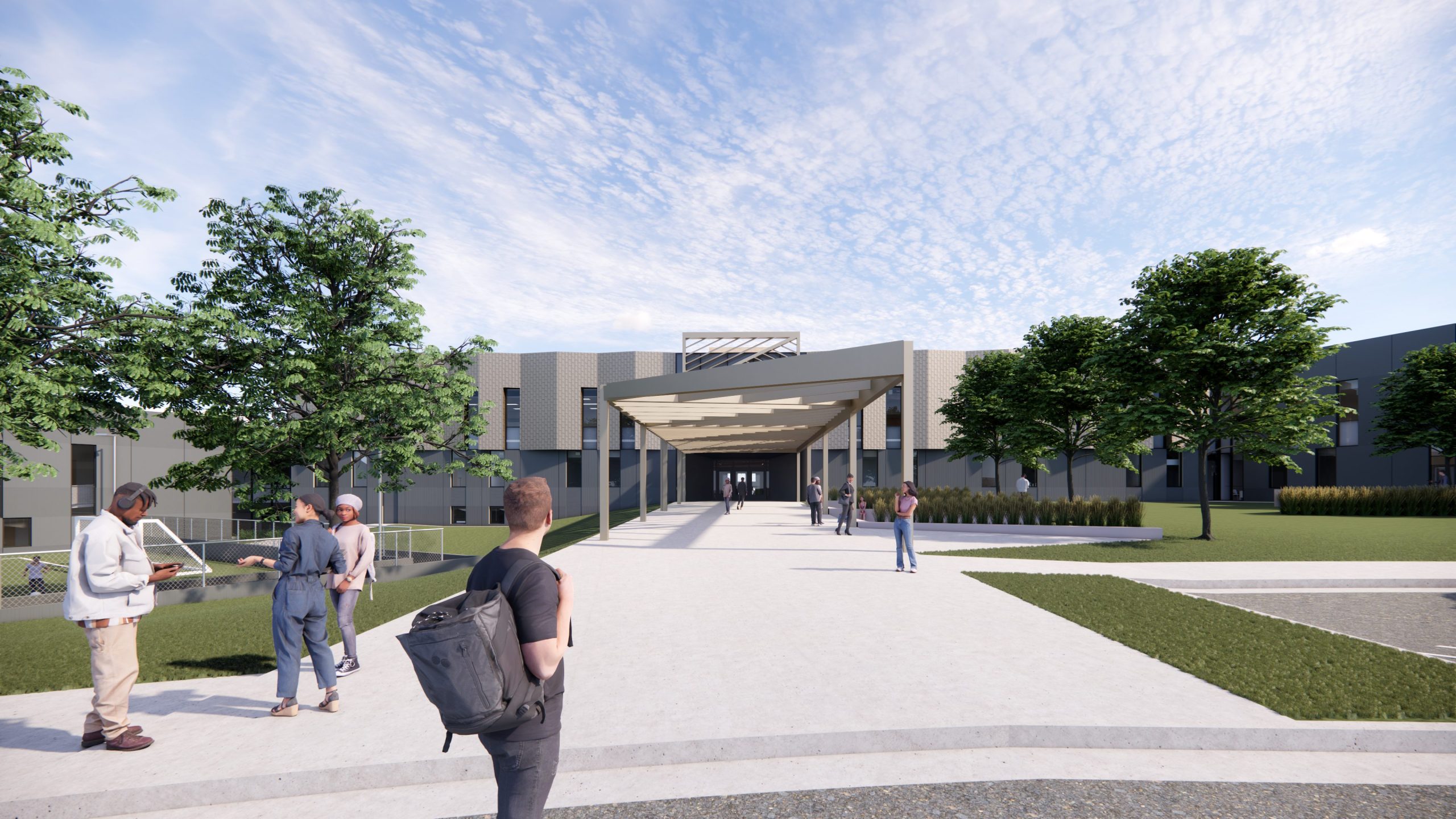
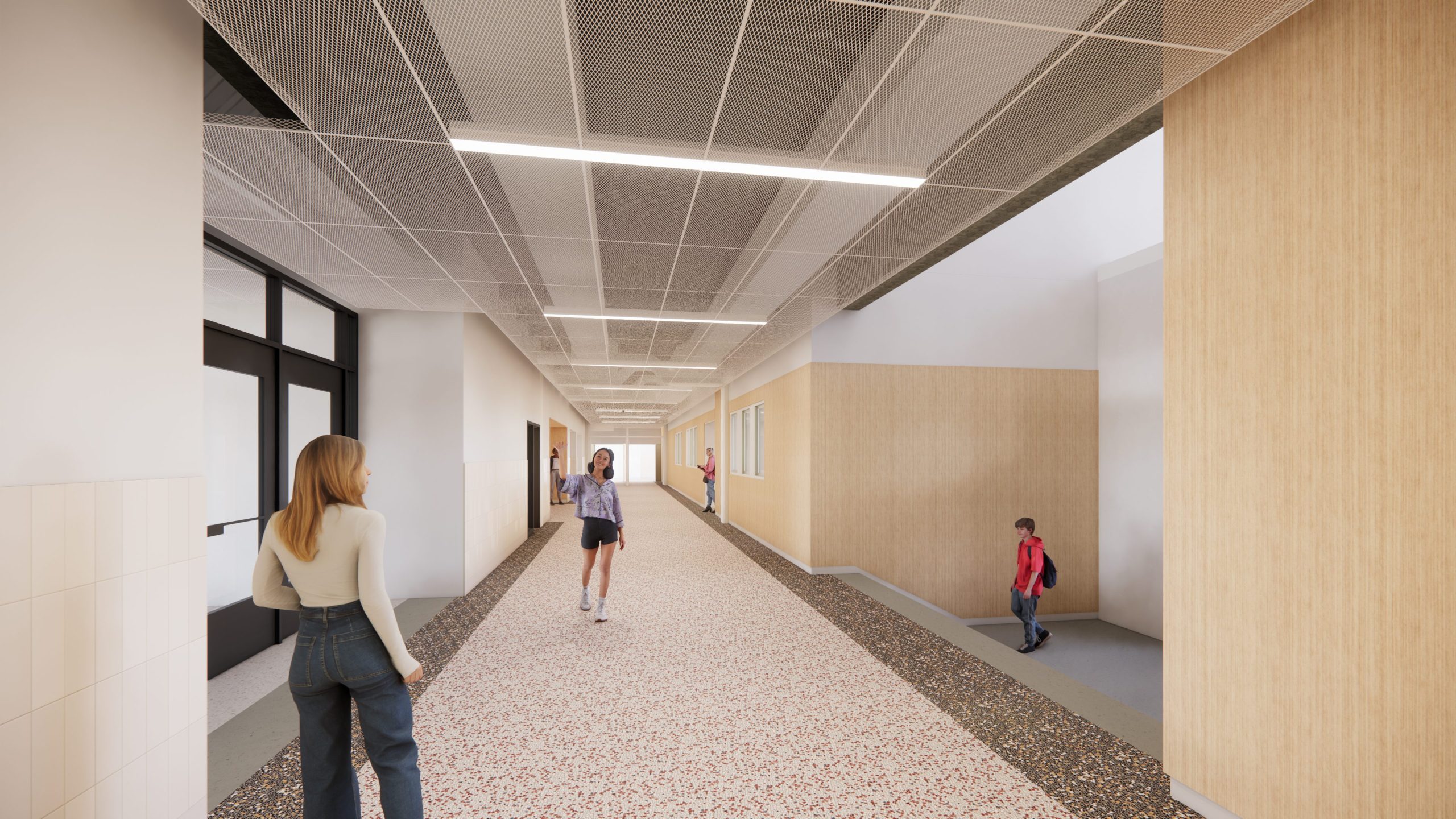
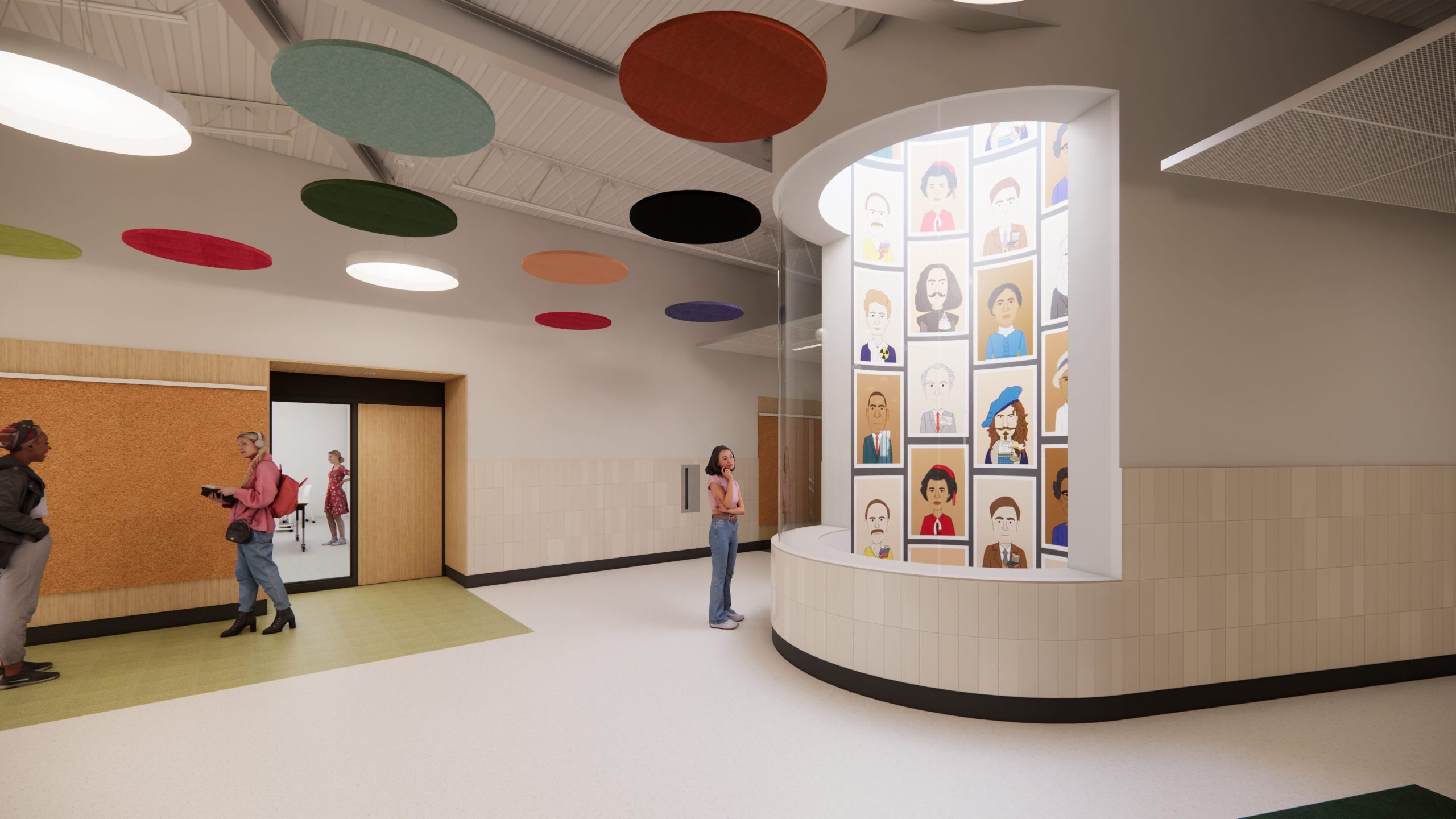
The renovation of Taft Middle School revitalizes and expands this historic building on the National Register of Historic Places, originally designed by Layton, Hicks, & Forsyth in 1930, into a modern, safe, and inspiring 21st century learning environment.
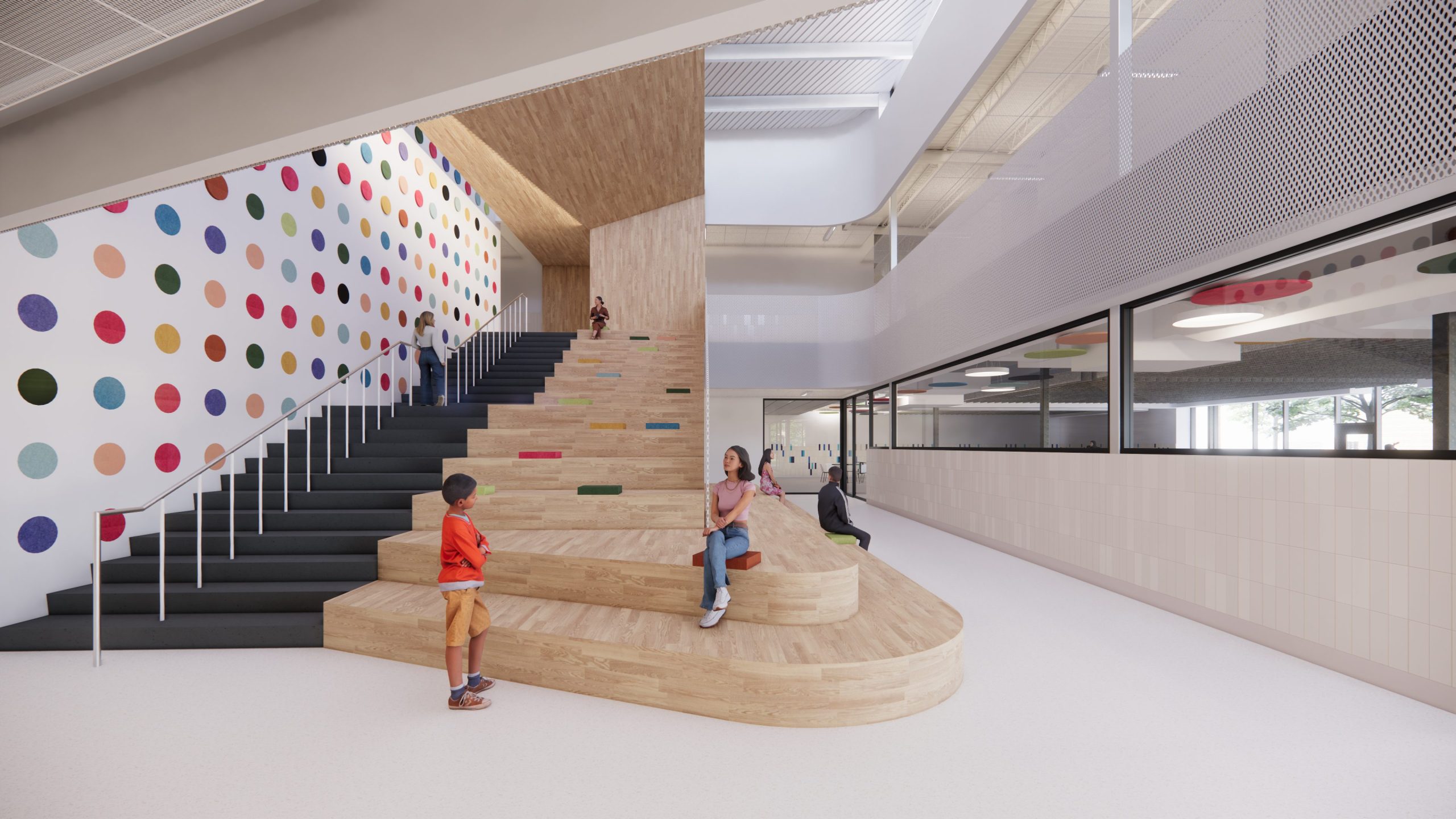
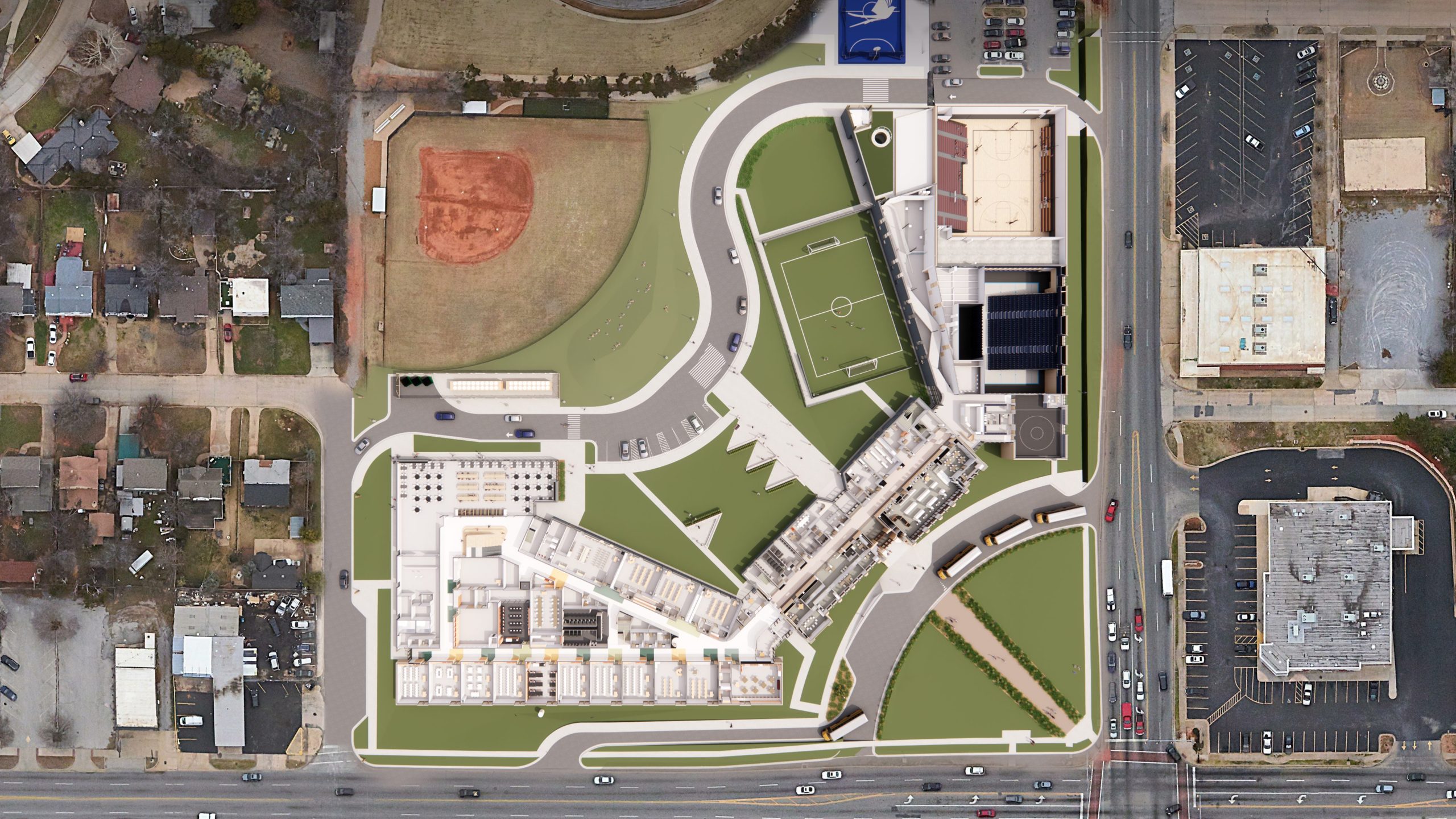
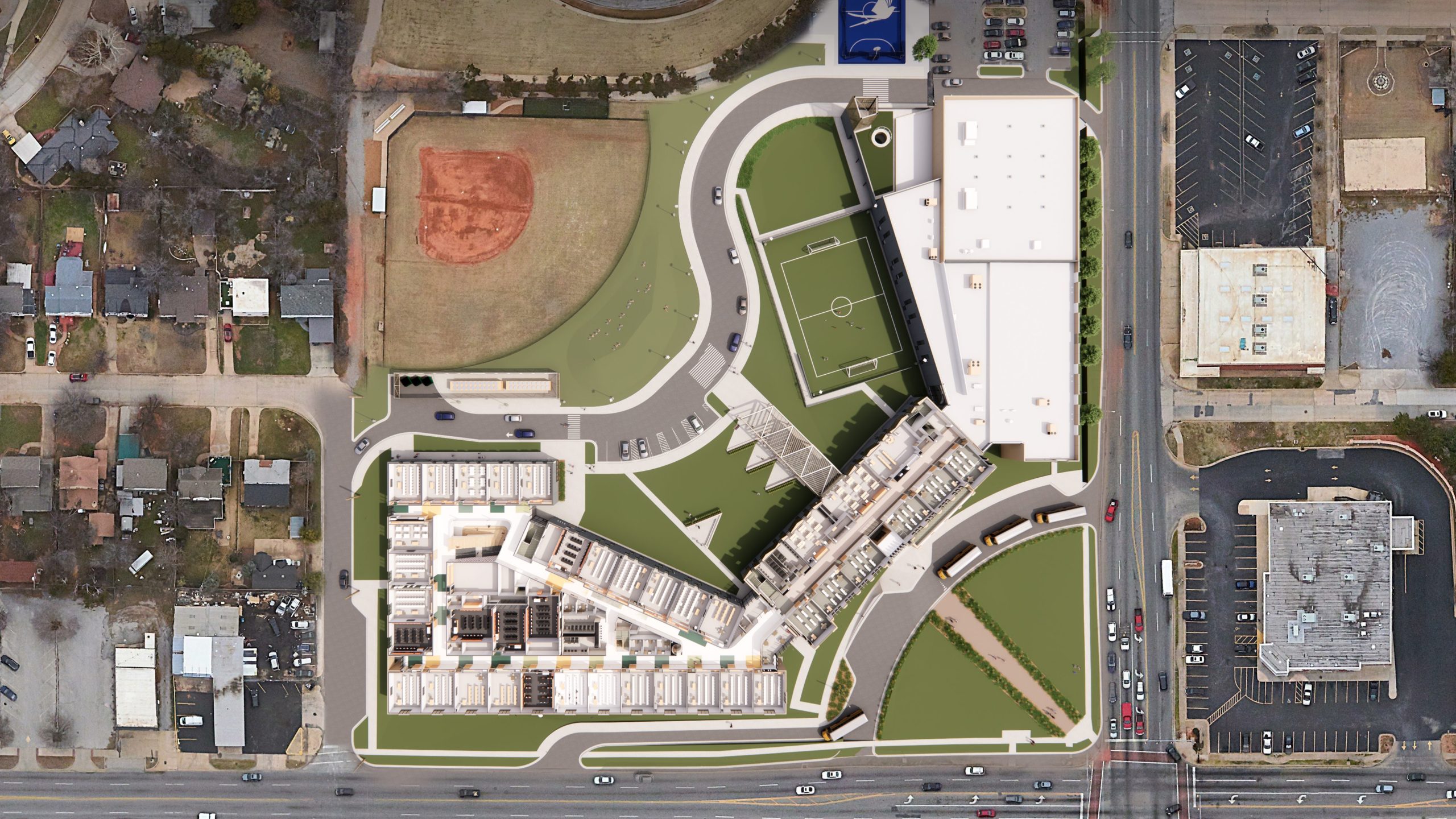
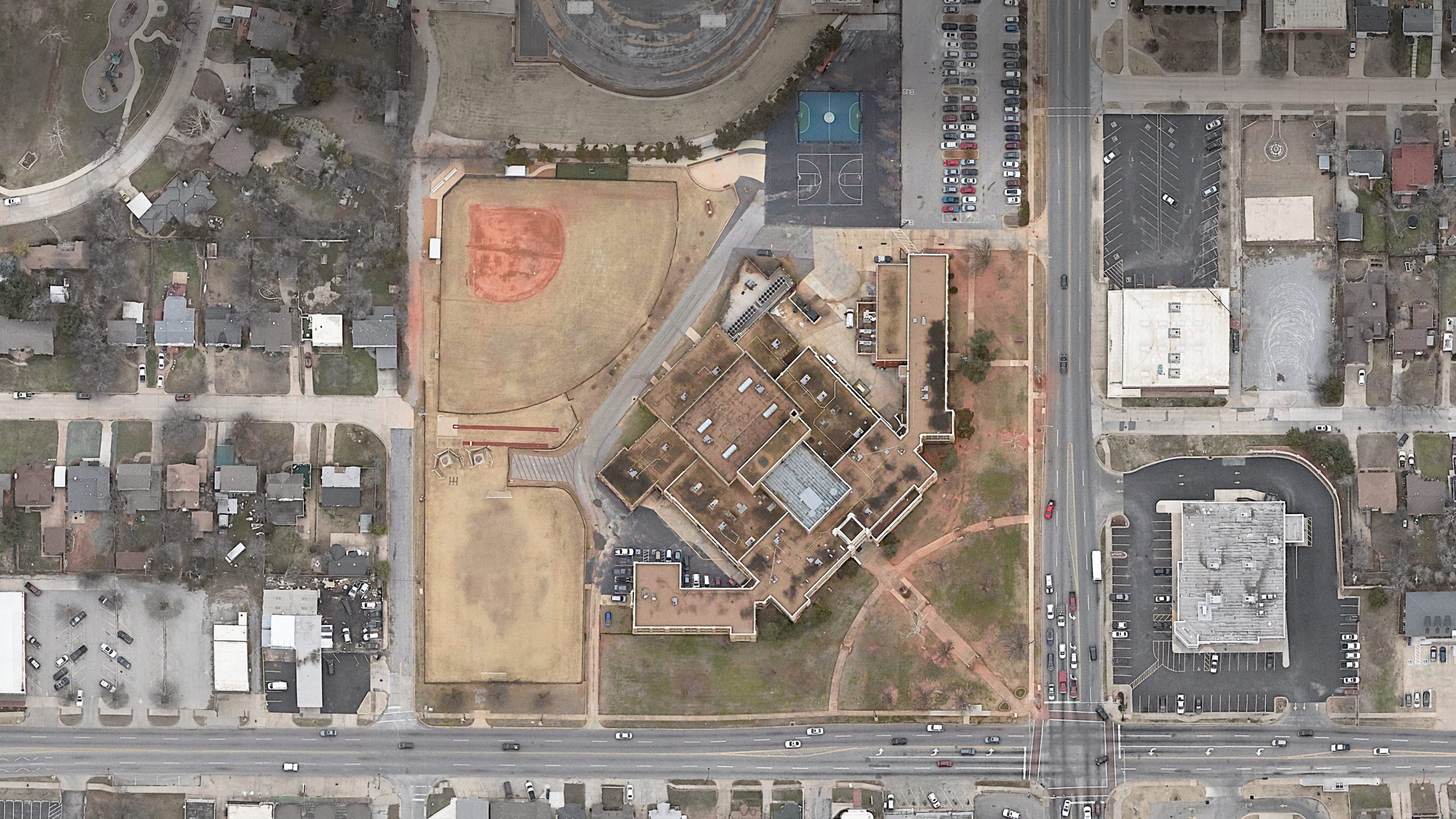
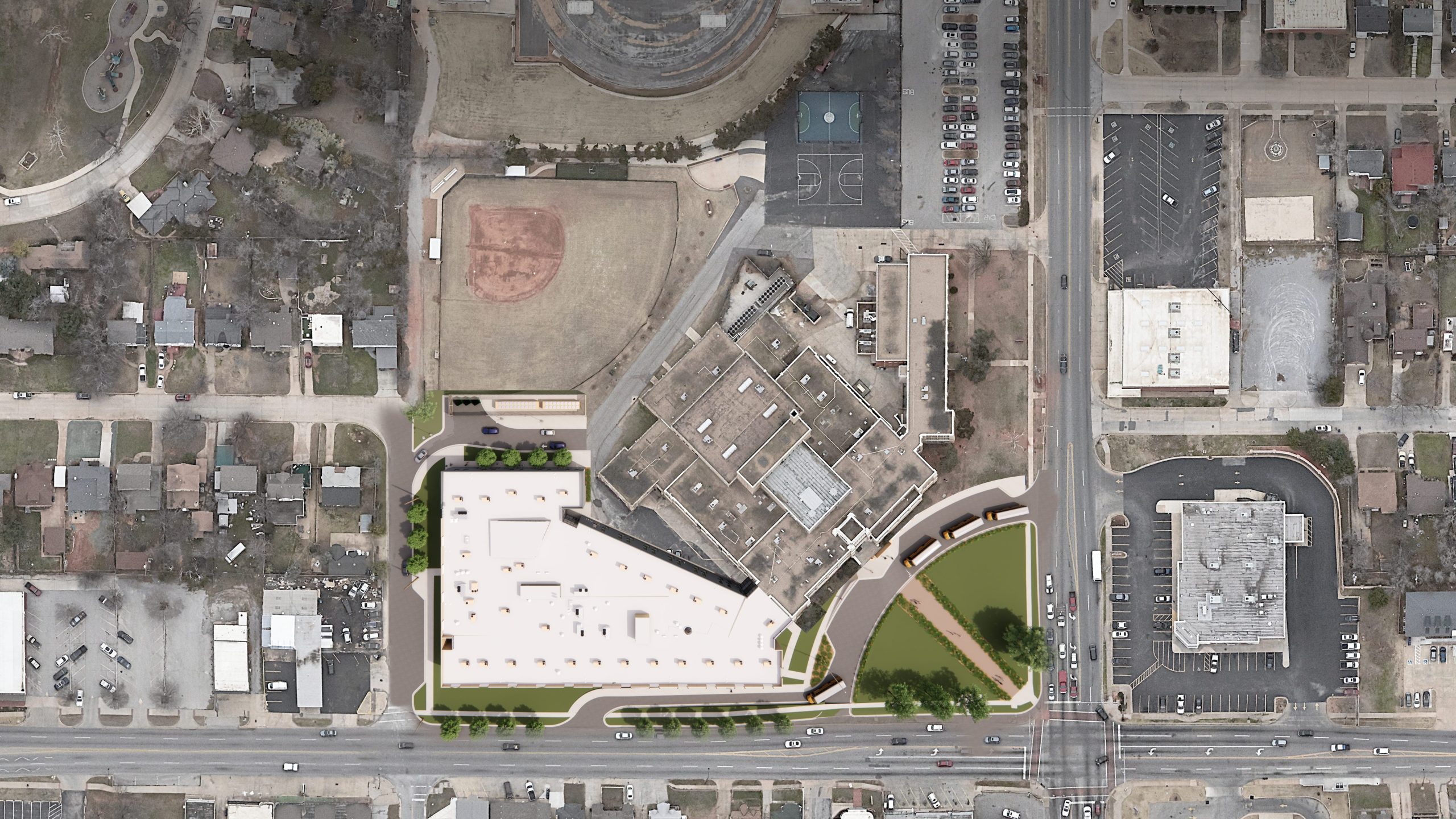
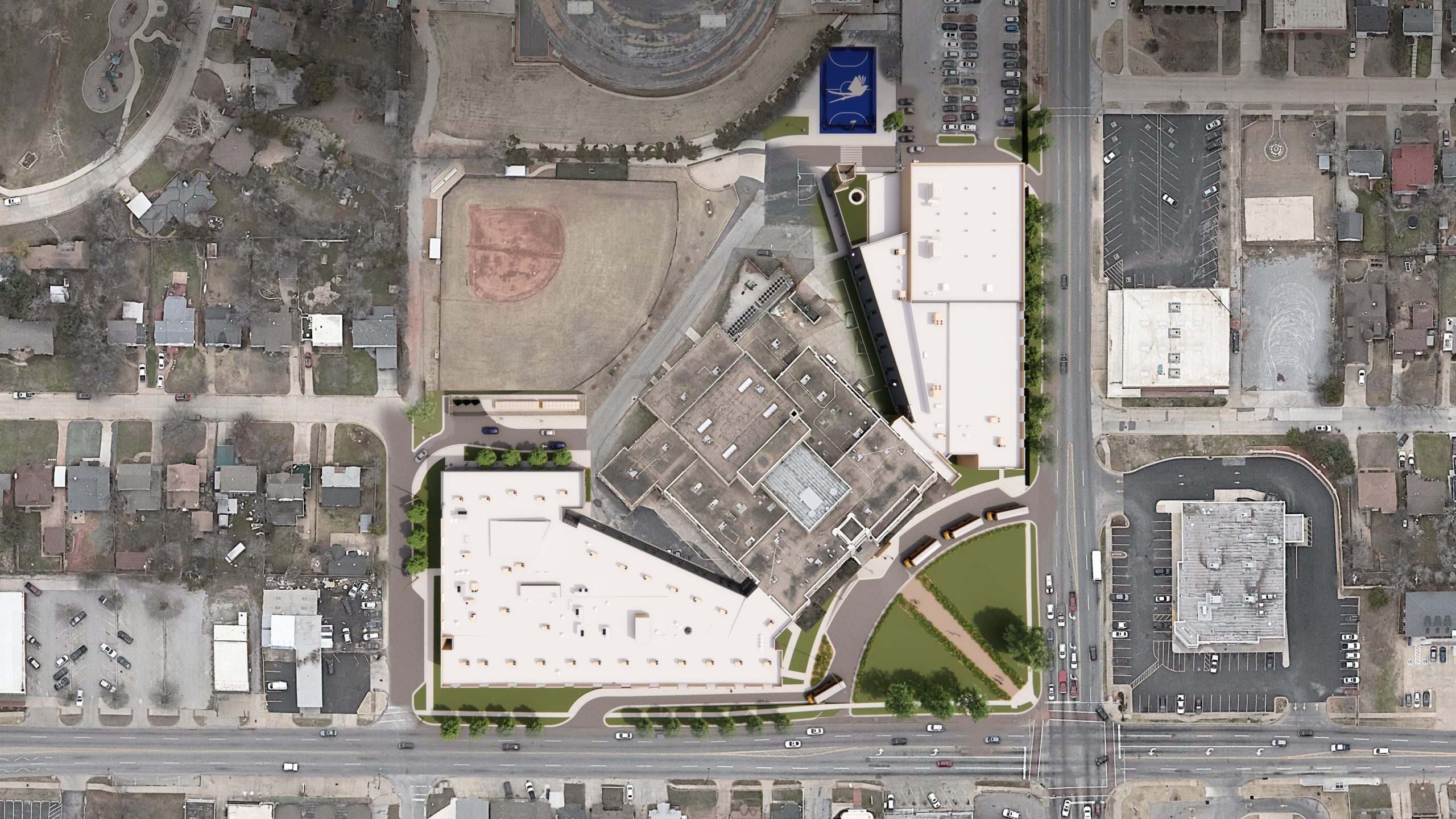
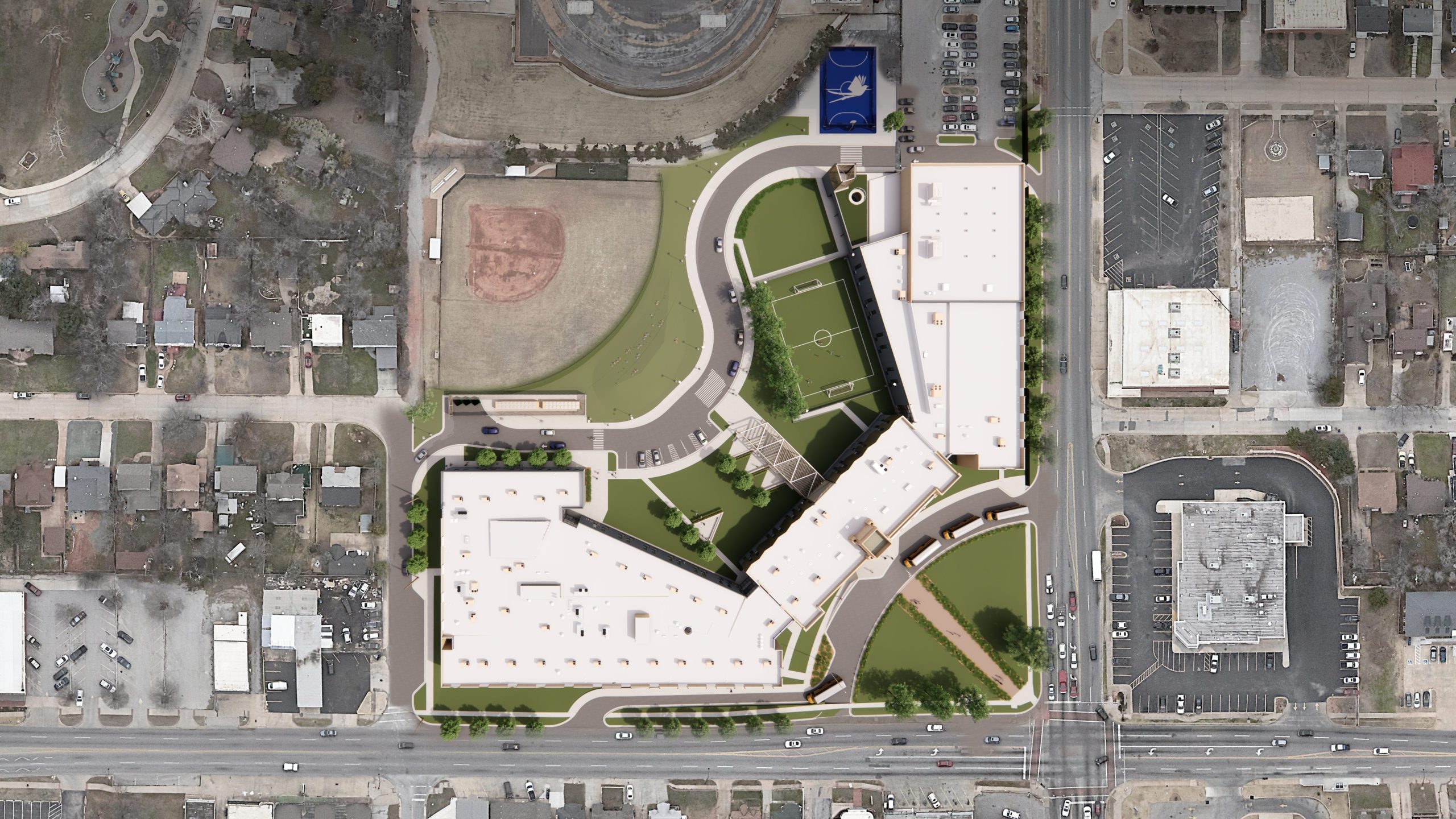
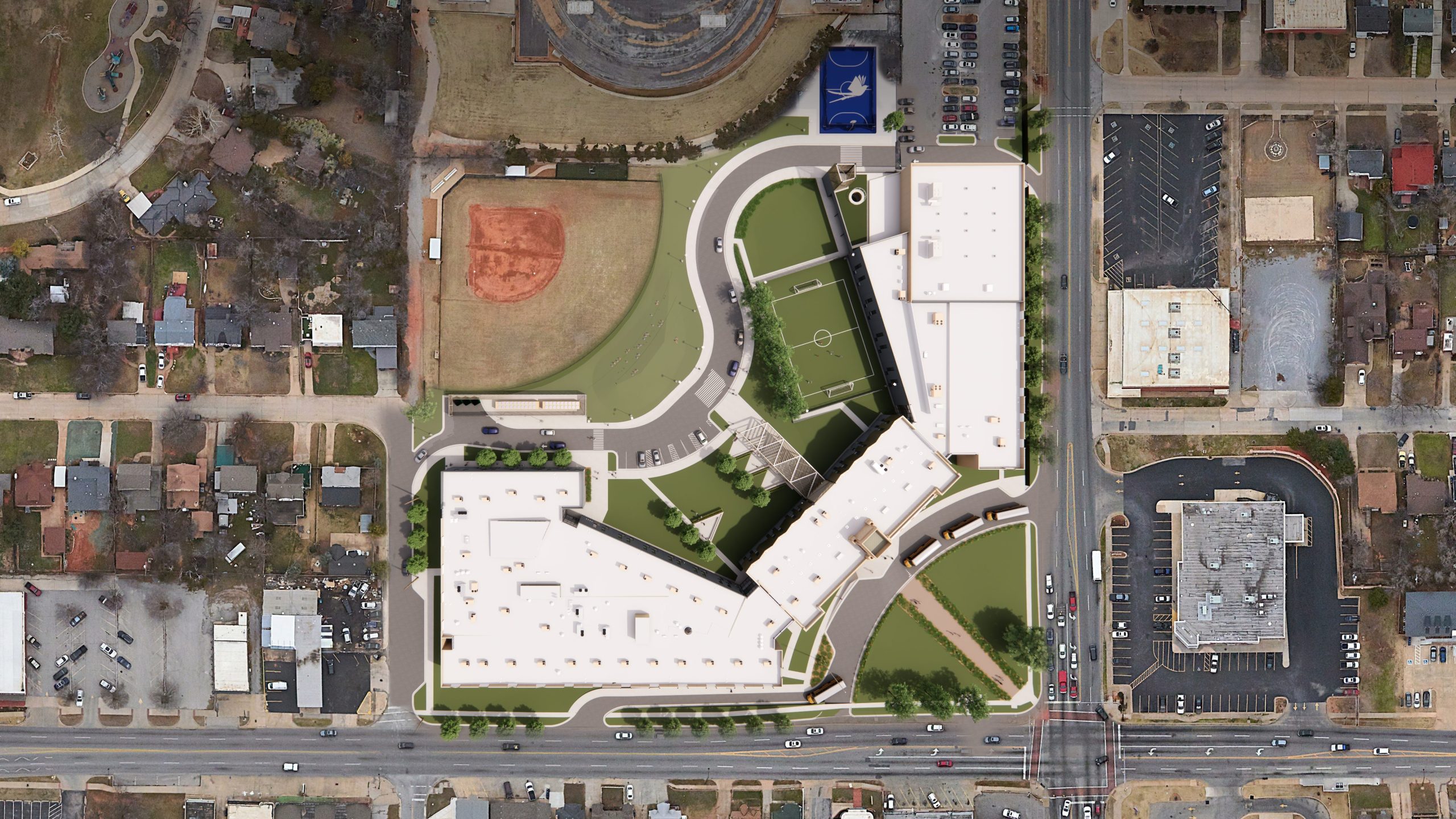
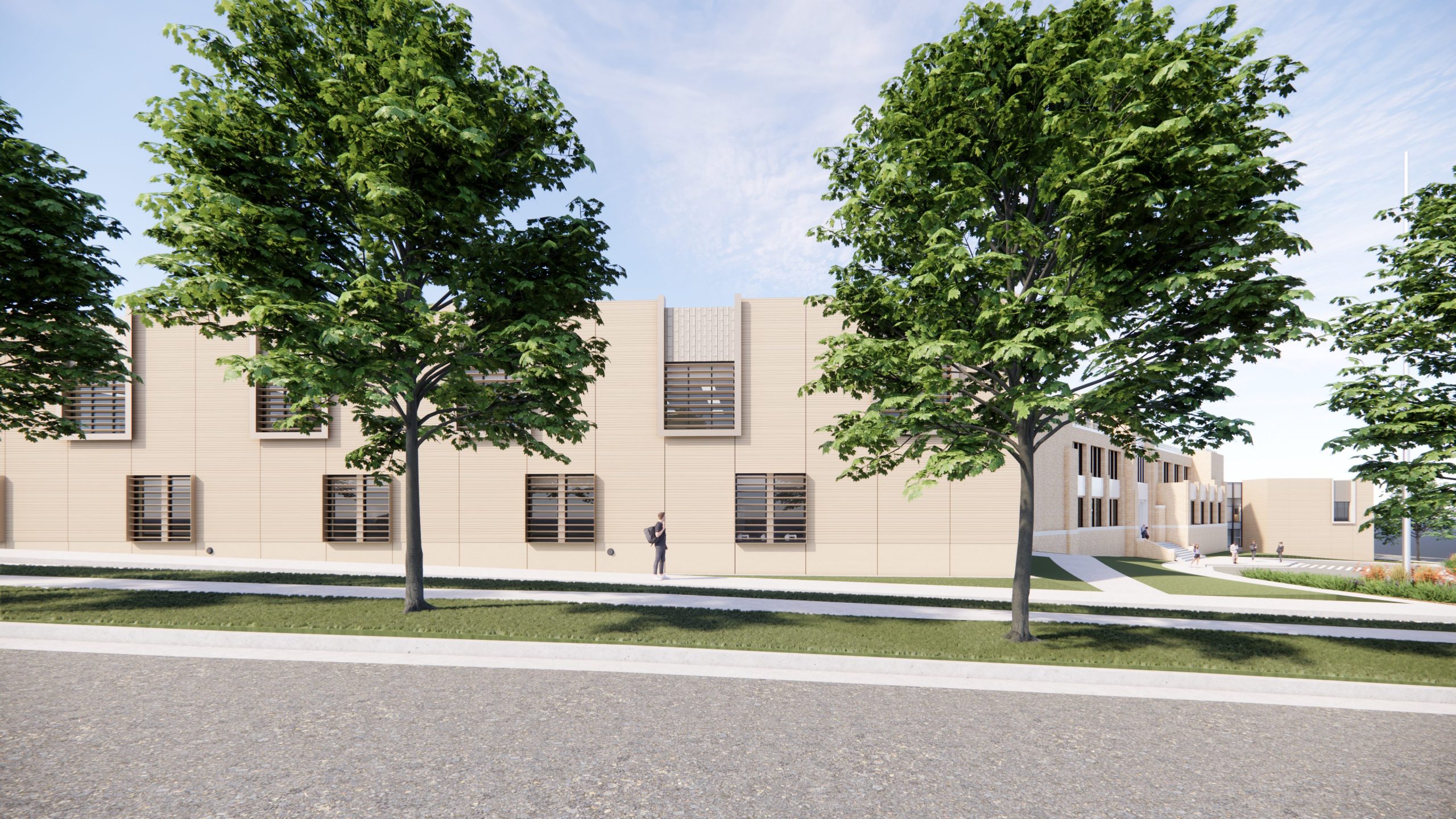
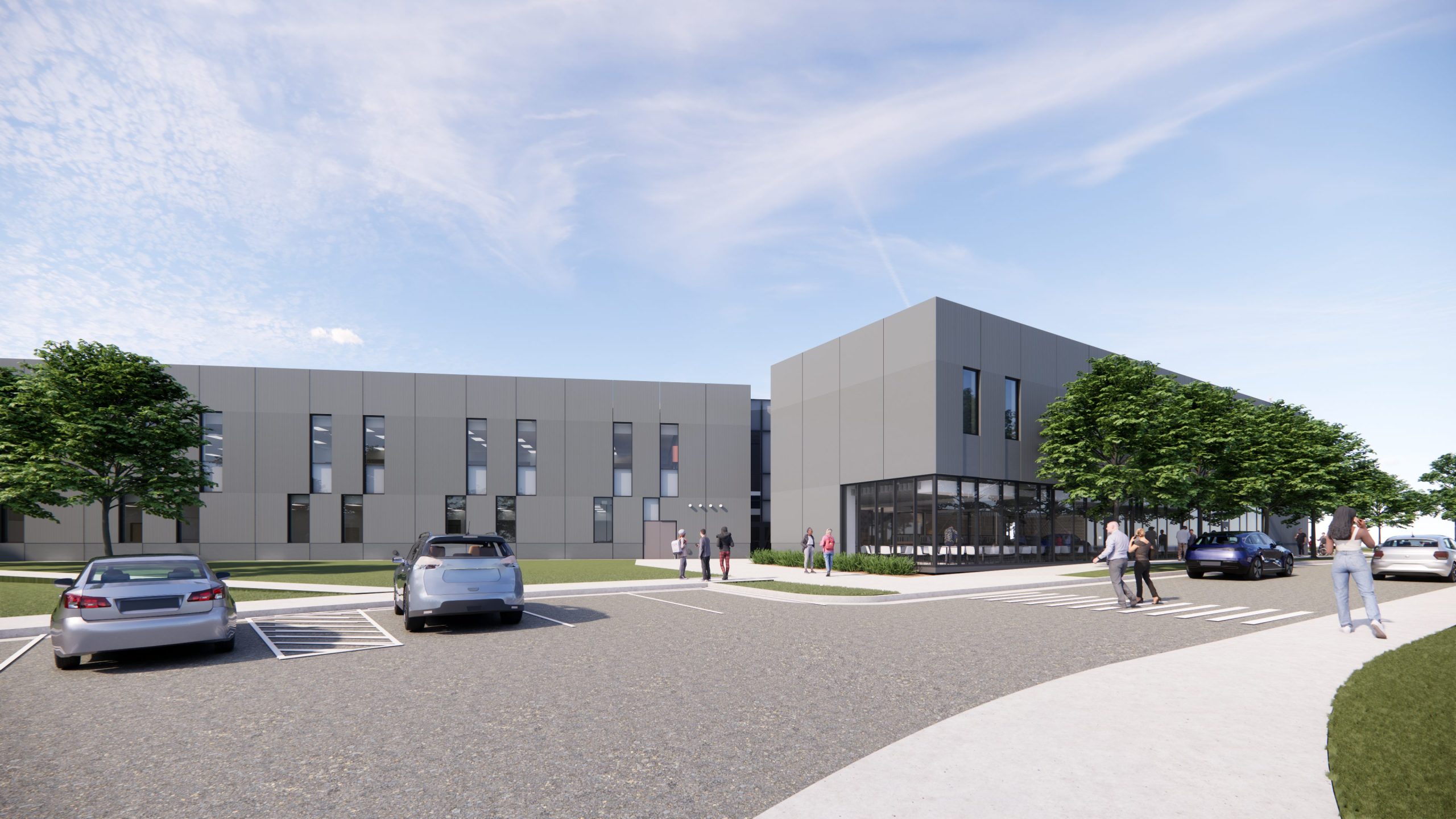
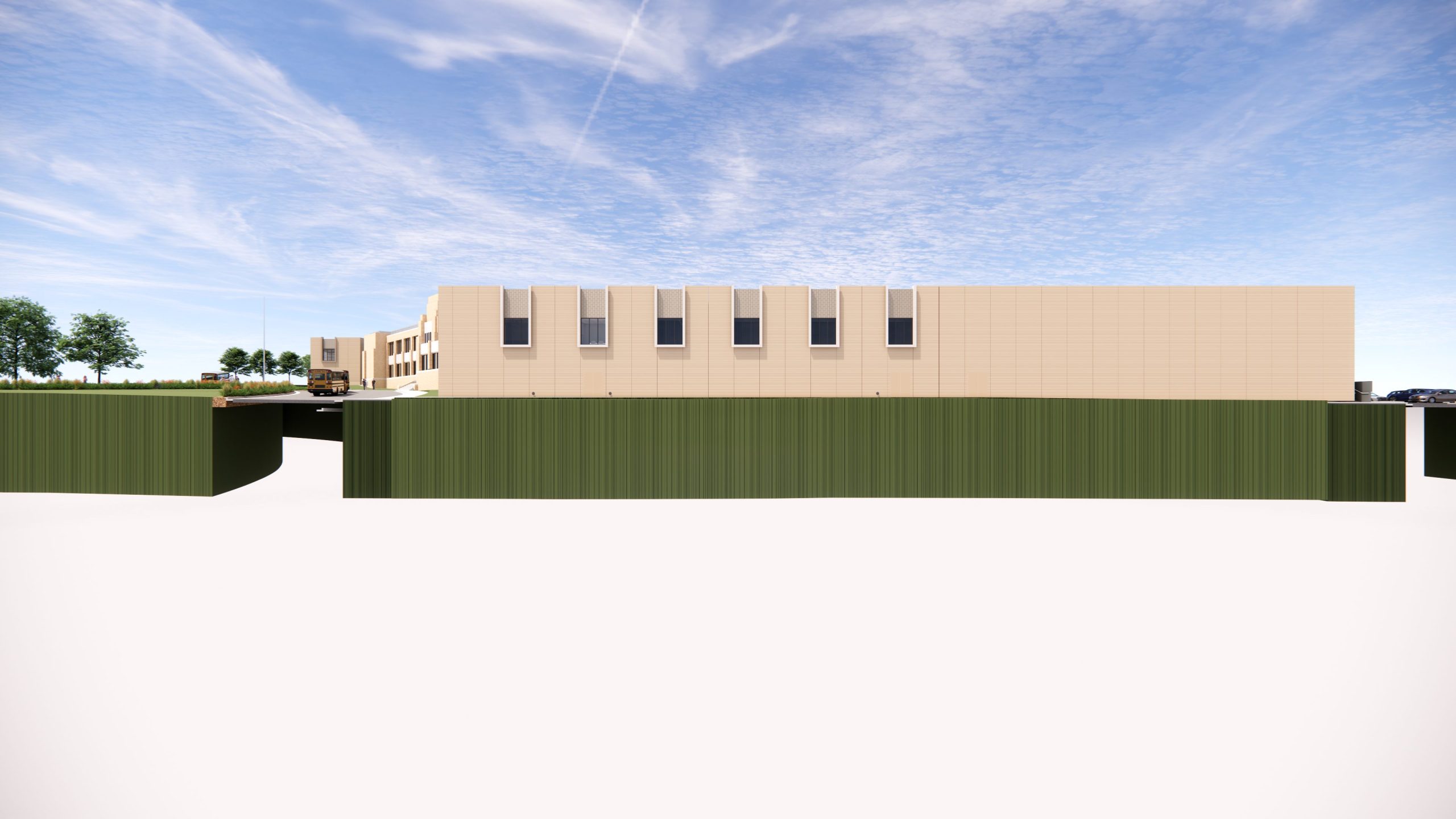
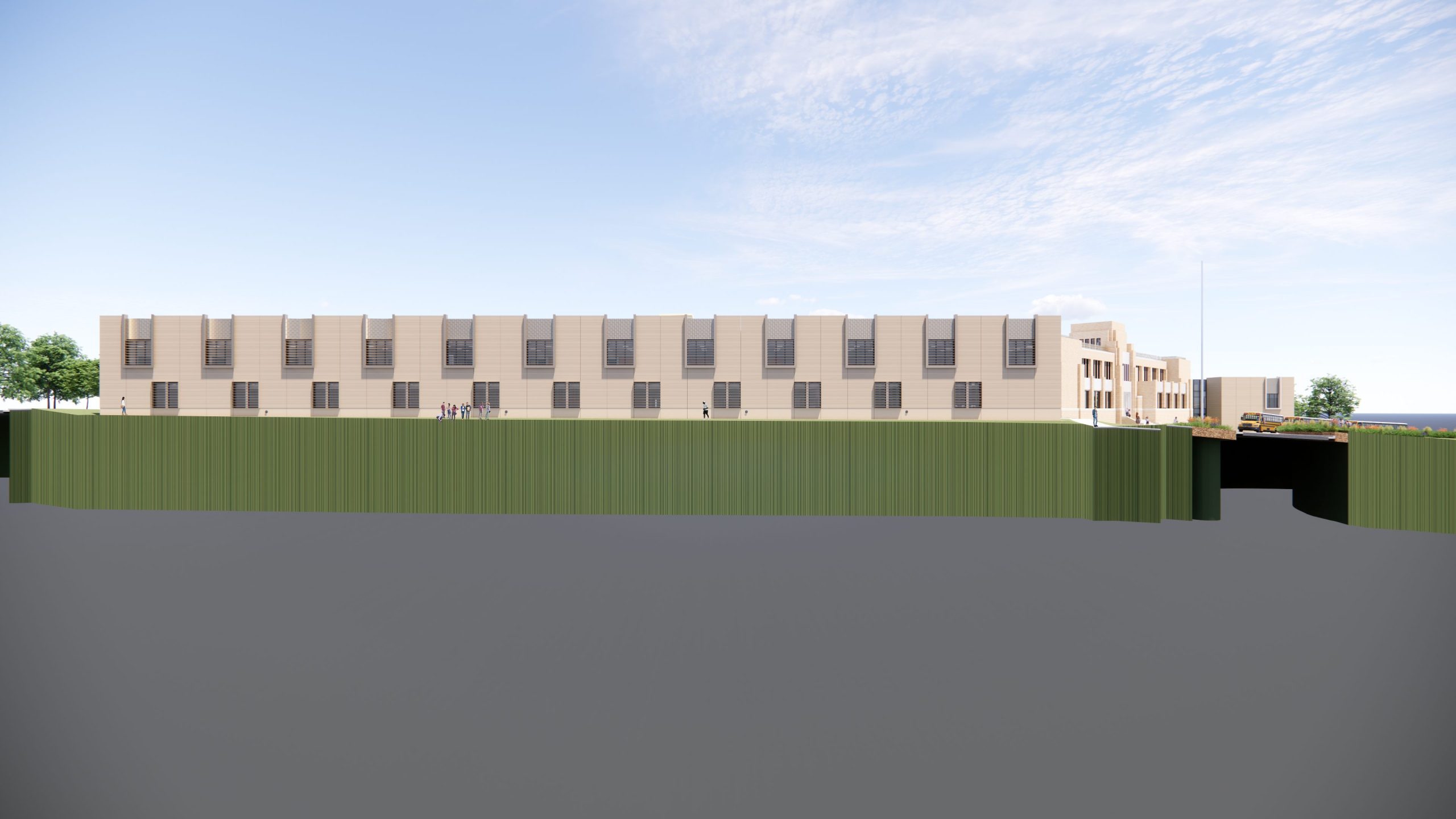
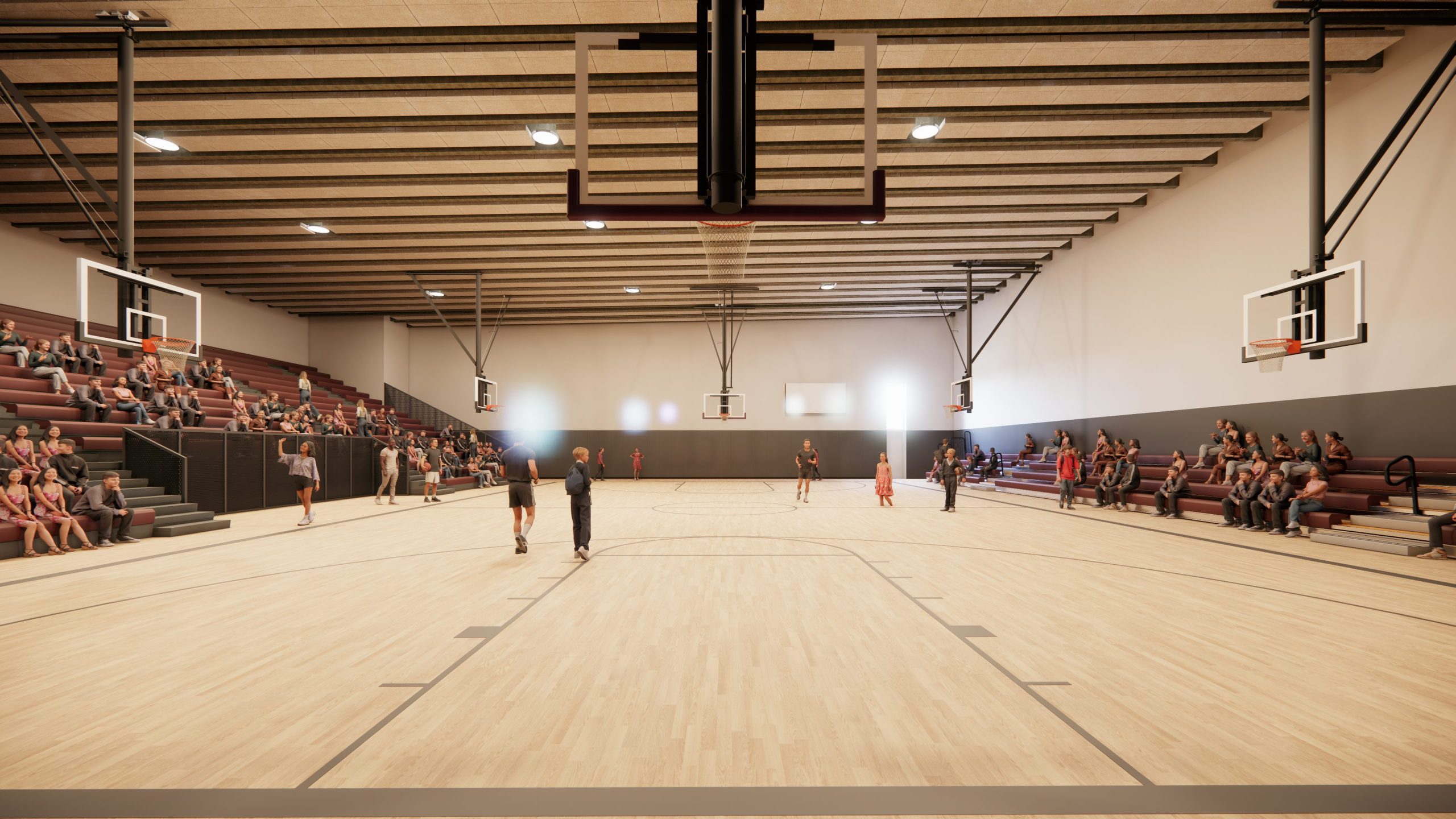
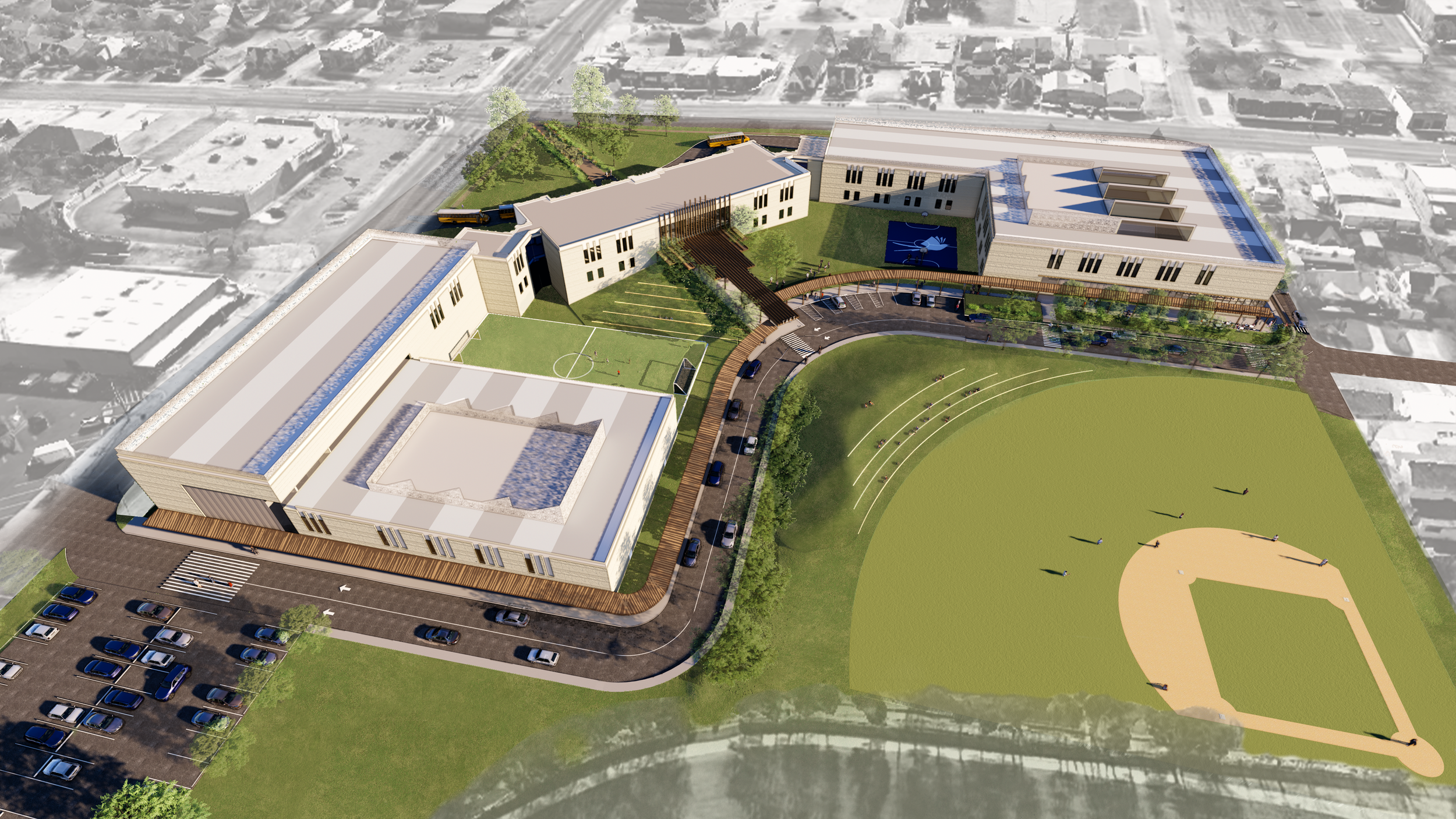
BNIM joined Butzer Architects and Urbanism (BAU) as Associate Architect to help complete design and documentation, landscape architecture, and specifications for the revitalization of Taft Middle School. The design preserves Taft Middle School’s historic entry building while expanding the building via new north and west wings that introduce a new cafeteria, centralized administration suite, classrooms, and athletic spaces. The renovation supports a series of unique programmatic space to accommodate programs in dance, orchestra, band, vocal performance, general music, e-sports, career and technical education STEM, FACS, as well as an enhanced media center, soccer field, and exterior futsal court.
Impact + Innovation
Taft Middle School will serve as a welcoming, inclusive, and equitable learning environment for all students. Design strategies thoughtfully support Taft students’ programs in deaf education, the Office of Exceptional Students, and English Language Development through enhanced accessibility and universal design standards that address the needs and learning styles of every student.
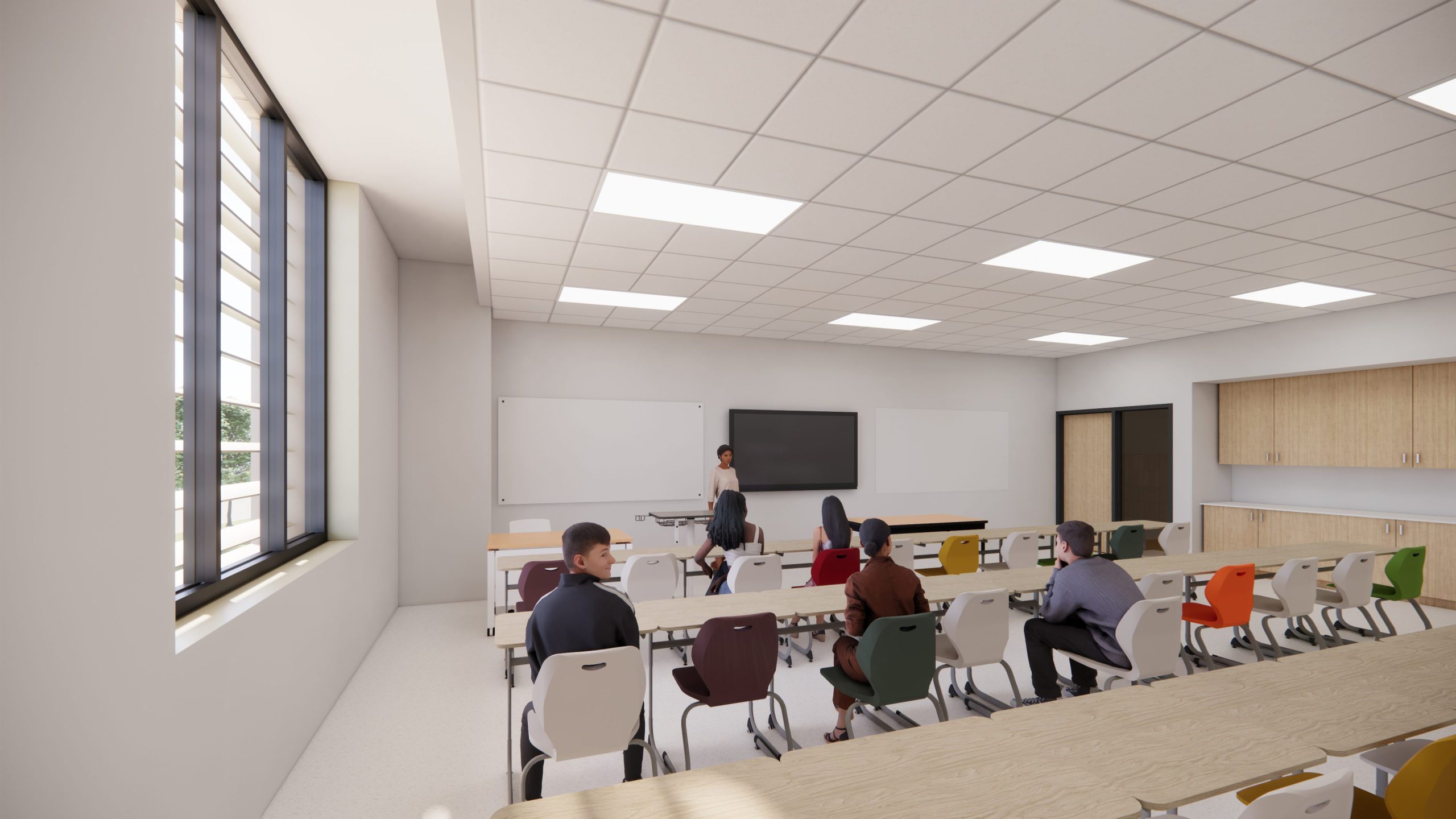
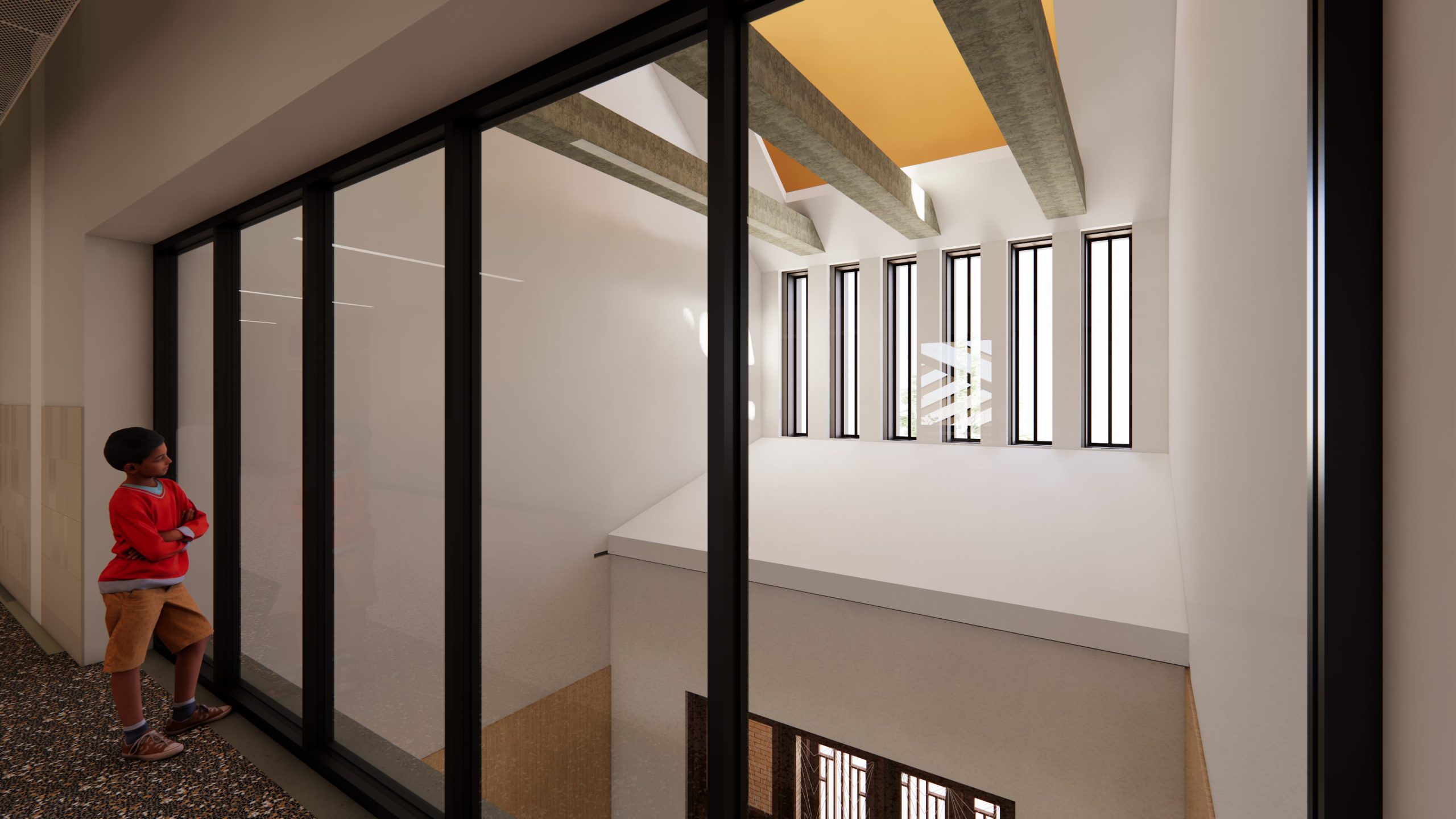
Addressing student and faculty health and well-being, all spaces within the renovation have access to generous daylight through direct views, interior light wells, as well as shared daylight via glazing. The design team conducted daylight studies to determine the best design strategies to introduce comfortable daylight throughout classroom spaces and incorporated shading on windows to reduce unwanted solar heat gain and glare. The design team also implemented biophilic design strategies to inform the building’s materials, such as including repurposed hardwood floors from the historic building and former gymnasium within various spaces in the new north and west wings.
Process
The design team navigated challenges of an existing 1930-era school building, including enhancing safety and security of the existing site and materials updates to improve long-term resiliency, maintenance, and student and faculty well-being. The renovation focuses on improving safety and security on the renovated campus for students and faculty, including establishing a single, secure entry for access during the school day. A bus loop, safe pedestrian pathways, and a secure courtyard helps separate student spaces from vehicle traffic. In addition, the building’s gymnasium serves as an ICC500 storm shelter.
Media